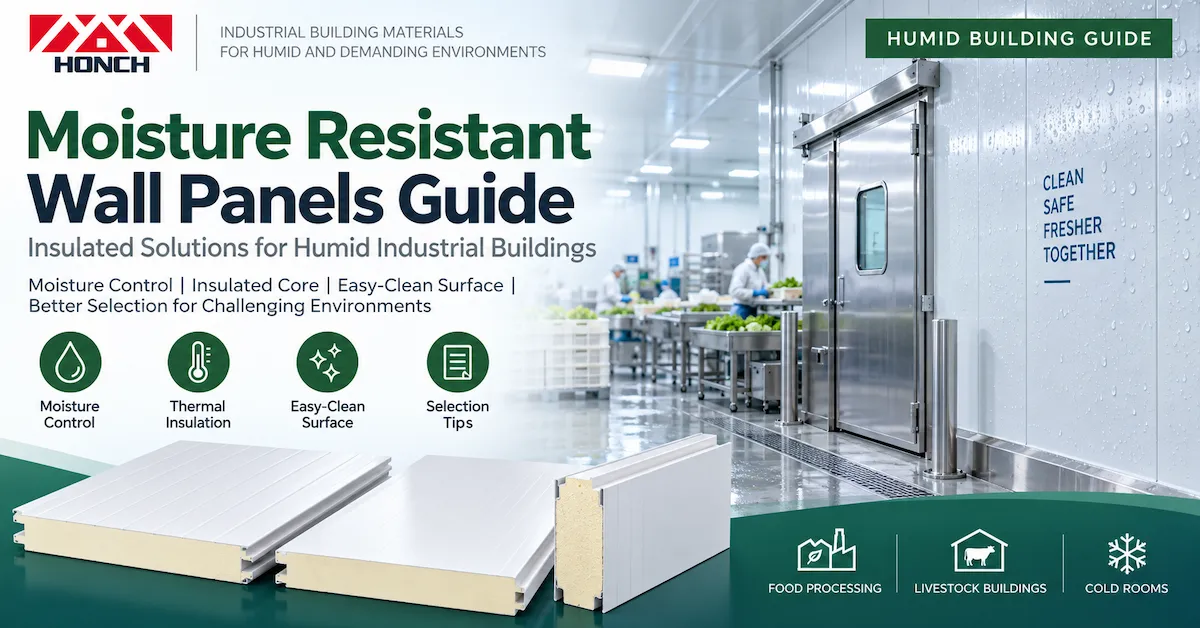
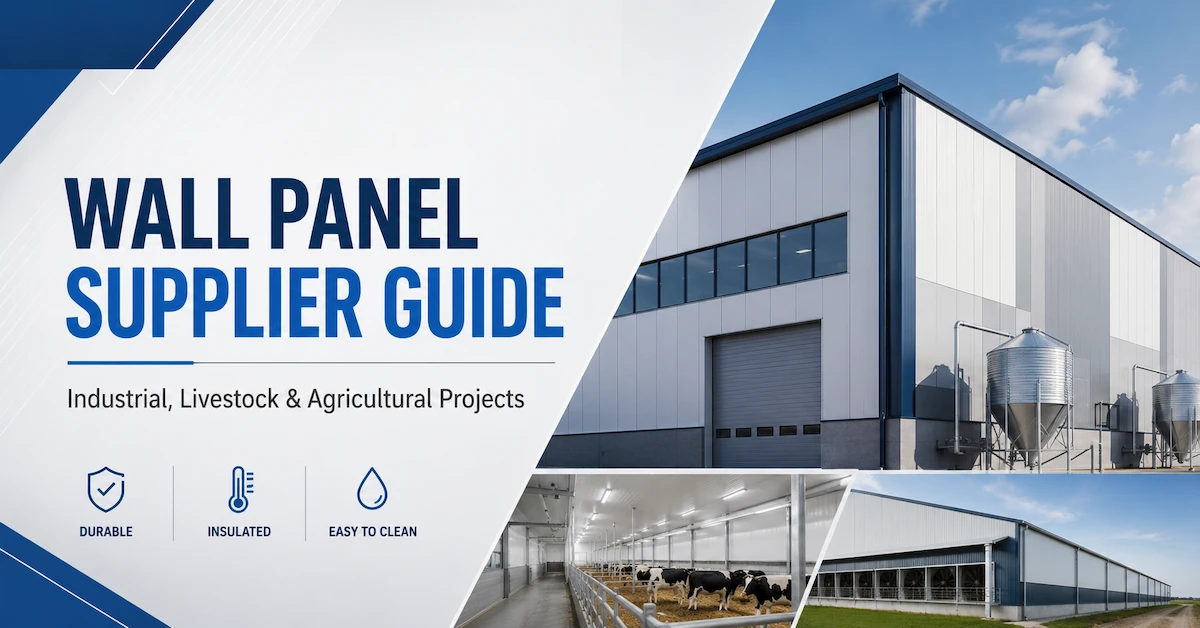
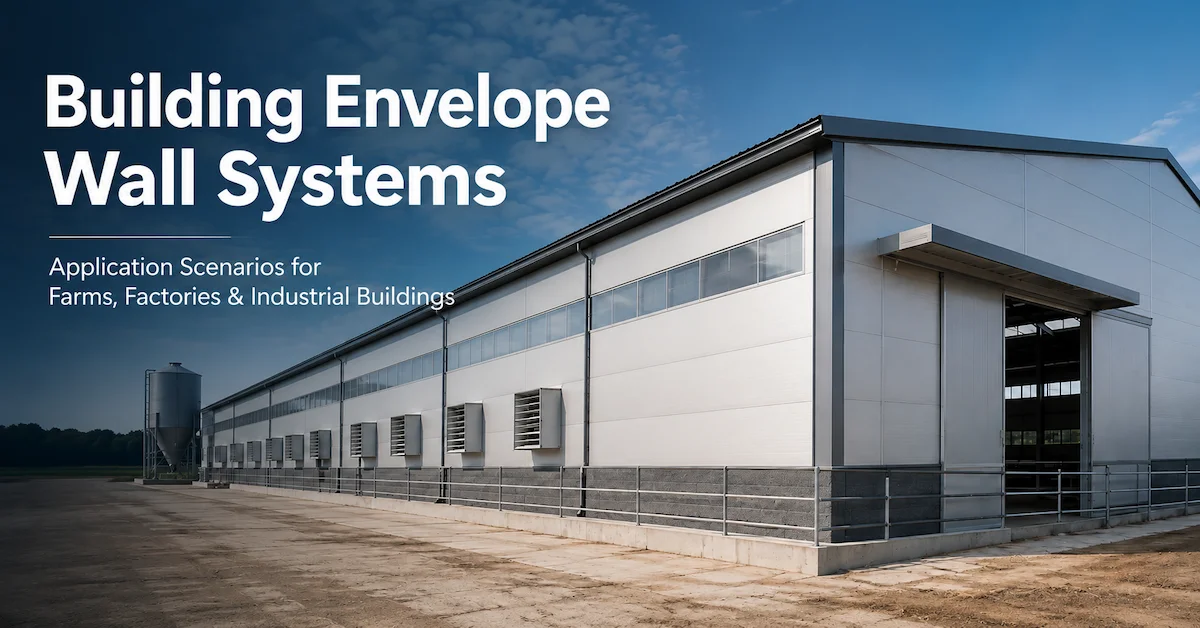
Why Choosing the Right Roof and Wall Panel Supplier Matters
Roof and wall systems are two of the most important components of any building envelope. They protect buildings from weather conditions, control indoor environments, improve energy efficiency, and influence the long-term durability of industrial and agricultural structures.
For factories, warehouses, livestock buildings, and agricultural facilities, selecting a professional roof and wall panel supplier is not only about purchasing construction materials.
It is about finding a partner who can provide:
- Suitable material recommendations
- Complete roof and wall solutions
- Stable product quality
- Project customization
- Technical support
- Reliable supply capability
A professional supplier should understand how different environments affect building performance.
For example:
- Livestock buildings require corrosion resistance and moisture protection.
- Industrial factories may require insulation and weather resistance.
- Agricultural buildings need durable and easy-to-maintain structures.
- Warehouses often focus on installation efficiency and cost control.
HONCH provides roof, wall, and ceiling panel solutions for industrial, agricultural, livestock, and light construction applications, helping customers create complete building envelope systems.
Explore HONCH solutions:
https://www.honchroof.com/products
What Are Roof and Wall Panel Systems?
Roof and wall panel systems are prefabricated building components designed to create the external enclosure of a structure.
Unlike traditional construction methods, modern panel systems integrate multiple functions into engineered products.
A complete system may include:
- Roof panels
- Wall panels
- Insulation layers
- Connection profiles
- Fasteners
- Sealing components
- Accessories
The main purpose of these systems is to provide:
Weather Protection
Roof panels protect buildings from:
- Rain
- Wind
- UV exposure
- Temperature changes
Thermal Insulation
Insulated panels help maintain indoor temperature by reducing heat transfer.
This is important for:
- Cold storage facilities
- Food processing buildings
- Livestock houses
- Temperature-controlled workshops
Moisture and Corrosion Protection
Industrial and agricultural environments may expose buildings to:
- Humidity
- Chemicals
- Cleaning water
- Animal waste gases
Selecting suitable panel materials helps improve long-term building performance.
Why Buy Roof and Wall Panels from One Supplier?
Many project buyers consider purchasing roof panels and wall panels from different suppliers.
While this approach may sometimes work, choosing a single roof and wall panel supplier offers several advantages.
Better System Compatibility
Roof and wall panels are connected parts of the building envelope.
Using products from one supplier can improve:
- Connection design
- Material compatibility
- Installation coordination
- Overall system performance
Simplified Procurement Process
Working with one supplier reduces:
- Communication complexity
- Delivery coordination
- Quality control difficulties
- Installation conflicts
This is especially valuable for large projects requiring multiple building materials.
Consistent Product Quality
A professional manufacturer can provide:
- Unified production standards
- Consistent materials
- Standardized specifications
- Complete technical documents
This helps contractors maintain stable project quality.
Applications of Roof and Wall Panel Systems
A reliable roof and wall panel supplier should understand different application environments.
Livestock Buildings
Livestock facilities are among the most demanding applications.
Common buildings include:
- Pig farms
- Poultry houses
- Cattle barns
- Animal breeding facilities
These environments usually involve:
- High humidity
- Ammonia
- Corrosive gases
- Frequent cleaning
Roof and wall panels should provide:
- Corrosion resistance
- Moisture protection
- Thermal insulation
- Easy maintenance
HONCH provides building materials designed for livestock applications, including wall panels, ceiling panels, and roofing solutions.
Engineering applications:
https://www.honchroof.com/engineering-case
Industrial Factories
Industrial buildings may require different performance characteristics depending on production conditions.
Typical requirements include:
- Thermal insulation
- Weather resistance
- Fire and safety considerations
- Corrosion protection
- Long service life
Applications include:
- Manufacturing plants
- Workshops
- Processing facilities
- Storage buildings
A professional supplier should recommend panel solutions based on:
- Indoor environment
- Production process
- Climate conditions
- Building structure
Warehouses and Logistics Buildings
Warehouses often require:
- Fast installation
- Cost efficiency
- Durable enclosure systems
- Low maintenance
Insulated roof and wall panels can help improve:
- Temperature control
- Energy efficiency
- Building comfort
Agricultural Buildings
Agricultural structures often face outdoor exposure and changing weather conditions.
Typical requirements include:
- Lightweight construction
- Weather resistance
- Moisture protection
- Long service life
Suitable panel systems can help farmers and agricultural developers reduce maintenance requirements.
How to Choose the Right Roof and Wall Panel Materials
Selecting the correct material is one of the most important decisions when purchasing building panels.
Insulation Performance
For many industrial projects, insulation is a key factor.
Insulated panels usually contain a core material designed to reduce heat transfer.
Common applications include:
- Cold rooms
- Food factories
- Livestock buildings
- Energy-efficient workshops
HONCH provides PU insulation panel solutions combining protective surface layers with polyurethane insulation cores.
Product information:
https://www.honchroof.com/product/pu-insulation-wall-panel-pvc-pu-pvc
Corrosion Resistance
Corrosion resistance is especially important in:
- Livestock facilities
- Chemical environments
- Coastal areas
- Humid buildings
PVC-based panels can provide advantages where moisture and corrosion protection are required.
HONCH PVC wall and ceiling solutions are designed for applications requiring durability in demanding environments.
Waterproof and Weather Resistance
Roof panels face direct outdoor exposure.
A suitable roof system should consider:
- Rain protection
- Wind resistance
- UV exposure
- Drainage design
- Installation quality
Poor roof panel selection may lead to:
- Water leakage
- Increased maintenance
- Reduced building lifespan
Installation Efficiency
Modern prefabricated panels can reduce construction complexity.
Benefits include:
- Faster installation
- Reduced labor requirements
- Better project scheduling
- Cleaner construction processes
However, installation quality remains important.
Correct connection methods, sealing details, and accessories influence final performance.
Roof Panels vs Wall Panels: How They Work Together
| Comparison | Roof Panels | Wall Panels |
|---|---|---|
| Main Function | Weather protection | Building enclosure |
| Main Exposure | Rain, UV, wind | Humidity, impact,temperature changes |
| Key Requirement | Waterproof performance | Insulation and protection |
| Common Applications | Industrial roofs, farms, warehouses | Factories, livestock buildings, partitions |
| Selection Focus | Drainage and durability | Environment and insulation |
Although roof and wall panels have different functions, they should work together as part of a complete building envelope system.
How to Evaluate a Roof and Wall Panel Supplier
Before selecting a supplier, buyers should evaluate several factors.
Manufacturing Capability
A reliable supplier should have:
- Stable production capacity
- Quality control procedures
- Export experience
- Consistent delivery ability
Product Range
A supplier offering multiple solutions can better support complex projects.
Important product categories include:
- Roof panels
- Wall panels
- Ceiling panels
- Insulation systems
- Accessories
HONCH provides a complete range of building envelope products.
Products:
https://www.honchroof.com/products
Customization Capability
Different projects may require:
- Custom dimensions
- Special colors
- Thickness options
- Packaging requirements
- OEM solutions
A professional supplier should support customized project requirements.
Technical Support
Good suppliers provide more than products.
They should assist with:
- Material selection
- Specification confirmation
- Installation recommendations
- Project communication
Quality Control
Important evaluation points include:
- Raw material inspection
- Production monitoring
- Finished product inspection
- Packaging protection
Quality control reduces project risks and improves long-term reliability.
Roof and Wall Panel Supplier vs Traditional Construction Materials
When selecting materials for industrial and agricultural buildings, buyers often compare prefabricated roof and wall panel systems with traditional construction methods.
Each solution has different advantages depending on project requirements.
| Comparison Factor | Roof & Wall Panel Systems | Traditional Construction |
|---|---|---|
| Installation Speed | Faster prefabricated installation | Longer on-site construction process |
| Insulation | Can integrate insulation layers | Usually requires additional insulation |
| Quality Control | Factory-controlled production | Depends more on site workmanship |
| Maintenance | Designed for easier replacement and maintenance | May require more complex repairs |
| Customization | Panel size, color, and structure can be customized | Limited after construction |
| Construction Efficiency | Less wet work and reduced installation complexity | More labor-intensive |
For industrial projects, prefabricated panel systems are often selected because they combine multiple functions:
- Building enclosure
- Thermal insulation
- Weather protection
- Corrosion resistance
- Faster installation
However,the final selection should always consider:
- Building type
- Local climate
- Operating environment
- Required service life
- Budget
- Maintenance expectations
A professional roof and wall panel supplier should help customers choose the correct system instead of simply providing standard products.
Factors Affecting Roof and Wall Panel Cost
The cost of roof and wall panels depends on multiple factors.
A professional buyer should evaluate the complete project cost rather than only comparing the unit price.
| Cost Factor | Impact on Pricing |
|---|---|
| Panel structure | Different materials and layers affect cost |
| Insulation core | PU and other insulation materials influence performance and price |
| Panel thickness | Thicker panels require more material |
| Surface material | Corrosion-resistant surfaces may increase value |
| Dimensions | Custom sizes affect production requirements |
| Quantity | Bulk orders can improve purchasing efficiency |
| Accessories | Complete systems require profiles and installation components |
| Packaging and shipping | Export requirements affect final cost |
For example:
A livestock building may require corrosion-resistant panels with easy cleaning performance.
A cold storage project may prioritize insulation thickness.
An industrial factory near the coast may require stronger weather and corrosion resistance.
The correct solution depends on application requirements.
Why Low-Cost Roof and Wall Panels May Create Higher Risks
Choosing the lowest quotation is a common mistake in construction-material purchasing.
Low-priced products may reduce initial investment but create additional costs through:
- Higher maintenance frequency
- Reduced service life
- Poor insulation performance
- Installation difficulties
- Replacement requirements
For industrial and agricultural projects, buyers should evaluate:
- Product quality
- Supplier reliability
- Technical support
- Long-term operating costs
A reliable supplier provides value through stable performance, not only low pricing.
OEM and Custom Roof and Wall Panel Solutions
International buyers often require more than standard products.
Common customization requirements include:
- Custom panel dimensions
- Different colors
- Special surface finishes
- Project-specific specifications
- Private label packaging
- OEM manufacturing
A capable roof and wall panel supplier should support customers including:
- Building material distributors
- Construction companies
- Engineering contractors
- Agricultural project developers
- Industrial facility suppliers
HONCH provides customized building material solutions for customers requiring different specifications and application conditions.
Customization options may include:
- Panel length
- Thickness
- Color
- Product combination
- Project-based solutions
Why Choose HONCH as Your Roof and Wall Panel Supplier?
HONCH focuses on providing building envelope solutions for industrial, agricultural, livestock, and light construction applications.
The company's product range includes:
- Roof panels
- Wall panels
- Ceiling panels
- Insulation systems
- Building accessories
HONCH solutions are designed for customers who require:
Complete Building Envelope Systems
Instead of supplying only individual materials, HONCH provides coordinated solutions covering:
- Roof protection
- Wall enclosure
- Ceiling systems
- Insulation performance
This helps customers simplify procurement and improve system compatibility.
Anti-Corrosion Building Materials
Many industrial and agricultural environments involve:
- High humidity
- Cleaning chemicals
- Animal gases
- Outdoor exposure
HONCH develops materials suitable for demanding environments where corrosion resistance is important.
Insulation and Energy Efficiency
Insulated panel systems help improve:
- Indoor temperature control
- Energy efficiency
- Building comfort
Applications include:
- Cold storage
- Food processing facilities
- Livestock buildings
- Industrial workshops
OEM/ODM Support
HONCH supports international customers with customized requirements, helping distributors and contractors develop suitable solutions for different markets.
Learn more about HONCH:
https://www.honchroof.com/about-us
Common Mistakes When Purchasing Roof and Wall Panels
Selecting Panels Without Considering the Application
Different buildings have different requirements.
For example:
A poultry house requires different performance compared with a warehouse.
A cold room requires different insulation compared with a standard workshop.
Always define:
- Building environment
- Temperature requirements
- Humidity conditions
- Chemical exposure
- Cleaning requirements
before selecting materials.
Ignoring Roof and Wall Compatibility
Roof and wall panels should work together.
Poor coordination may result in:
- Installation difficulties
- Water leakage risks
- Reduced insulation performance
- Additional modification costs
A supplier offering complete systems can often provide better technical coordination.
Not Checking Supplier Manufacturing Ability
Before placing an order, buyers should evaluate:
- Factory capability
- Production experience
- Quality management
- Export history
- Customer support
Not Confirming Installation Details
Important information includes:
- Building drawings
- Panel dimensions
- Openings
- Connection methods
- Required accessories
Accurate planning reduces waste and delays.
FAQ About Roof and Wall Panel Supplier
1.What is a roof and wall panel supplier?
A roof and wall panel supplier provides building panel systems used for roofs, walls, insulation, and enclosure applications.
Professional suppliers usually provide product manufacturing, customization, technical support, and project solutions.
2. Why choose a supplier that provides both roof and wall panels?
Buying roof and wall panels from one supplier can improve:
- Product compatibility
- Procurement efficiency
- Technical communication
- Quality consistency
It can also simplify project management.
3.What types of projects use roof and wall panels?
Common applications include:
- Industrial factories
- Warehouses
- Livestock buildings
- Agricultural facilities
- Food processing plants
- Cold storage facilities
4. What materials are commonly used for insulated roof and wall panels?
Common materials include:
- PU insulation panels
- PVC composite panels
- Metal sandwich panels
- Other engineered composite systems
The suitable material depends on application requirements.
5. Are PVC wall panels suitable for industrial buildings?
Yes.
PVC wall panels can be suitable for applications requiring:
- Moisture resistance
- Corrosion protection
- Easy cleaning
- Low maintenance
The final choice depends on the operating environment.
6. What information should I provide when requesting a quotation?
Buyers should provide:
- Project type
- Building drawings
- Required area
- Panel specifications
- Application environment
- Quantity
- Delivery location
This helps suppliers recommend suitable solutions.
7. Can roof and wall panels be customized?
Yes.
Manufacturers may provide customization including:
- Panel size
- Thickness
- Color
- Packaging
- OEM branding
8. How do I compare different roof and wall panel suppliers?
Compare:
- Product quality
- Manufacturing capability
- Technical support
- Customization ability
- Certifications
- Delivery reliability
- Total project value
9. Are insulated panels suitable for livestock buildings?
Yes.
Livestock buildings often require:
- Thermal insulation
- Moisture resistance
- Corrosion resistance
- Easy maintenance
Insulated panels can help improve indoor environmental control.
10. How can I contact HONCH for roof and wall panel projects?
Customers can provide project information including:
- Application
- Building size
- Required materials
- Quantity
- Custom requirements
HONCH can recommend suitable roof and wall panel solutions.
Contact HONCH:
https://www.honchroof.com/contact-us
Conclusion
Choosing the right roof and wall panel supplier is an important step in creating a durable and efficient building envelope system.
For industrial, agricultural, livestock, and commercial projects, buyers should evaluate:
- Material performance
- Insulation capability
- Corrosion resistance
- Manufacturing experience
- Customization options
- Quality control
- Long-term supplier reliability
A professional supplier should provide more than products. It should provide technical knowledge, project support, and complete building solutions.
HONCH provides roof panels, wall panels, ceiling systems, and insulation solutions designed for demanding applications worldwide.
With experience in anti-corrosion and insulated building materials, HONCH supports:
- Industrial contractors
- Agricultural developers
- Livestock project companies
- Building material distributors
- International OEM partners
Explore HONCH roof and wall panel solutions:
https://www.honchroof.com/products
Contact HONCH for your project requirements: