Prefabricated Construction Materials Supplier for Fast-Track Industrial Projects: How Pre-Engineered Systems Reduce Installation Time
Construction delays rarely begin with major structural failures.
More often, projects lose time through repetition—cutting materials on-site, correcting alignment differences, or waiting for missing components that should have arrived together.
In industrial projects, these small interruptions accumulate quickly.
A warehouse expansion that should take weeks extends into months. Labor schedules become unstable. Equipment installation is delayed because the building envelope is not yet complete.
This is why prefabricated systems have become increasingly important in industrial and commercial construction.
A professional prefabricated construction materials supplier does more than manufacture panels. It develops coordinated systems where roofing, wall structures, insulation layers, and accessories are prepared before arriving on-site.
At HONCH, prefabrication is designed to reduce installation uncertainty, improve structural consistency, and support faster project delivery.
On-Site Adjustments Are One of the Biggest Sources of Delay
Traditional construction often depends heavily on field modification.
Typical problems include:
- panel cutting during installation
- inconsistent dimensions between materials
- alignment correction across large spans
These issues increase:
- labor hours
- installation errors
- maintenance risk after project completion
A reliable prefabricated construction materials supplier minimizes these problems by preparing systems before delivery.
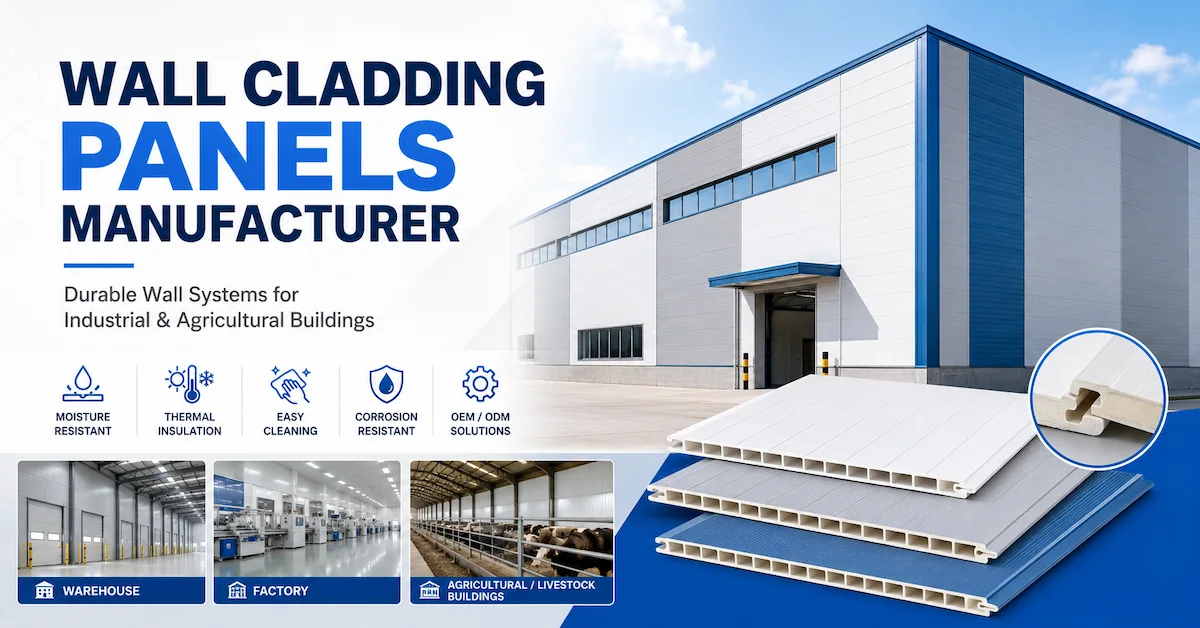
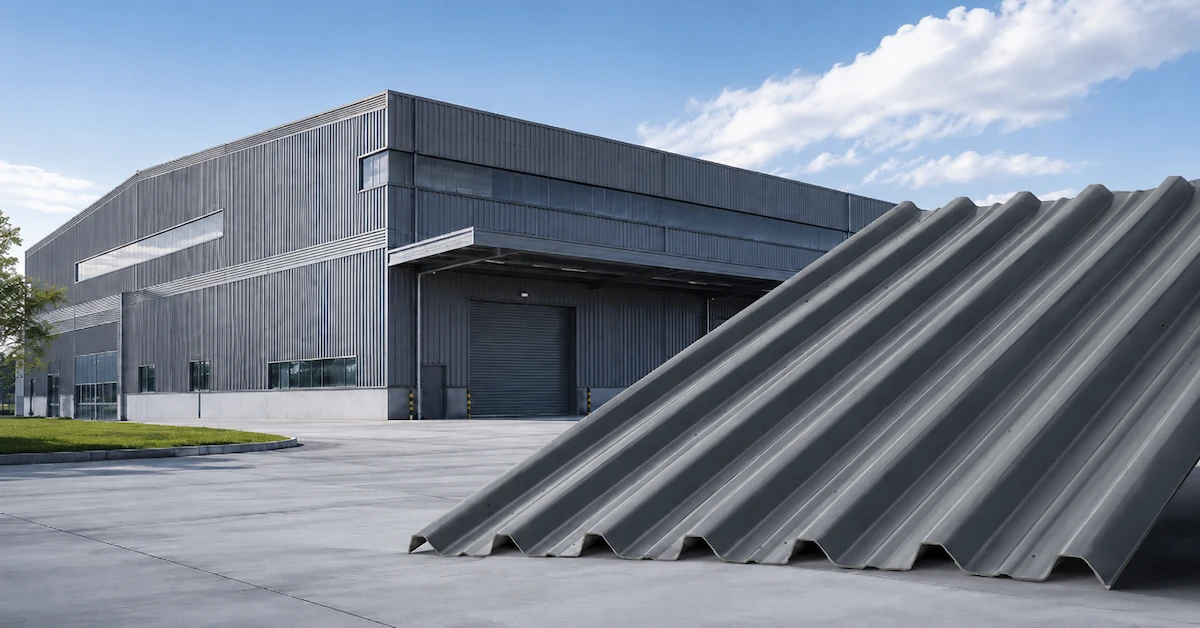
HONCH produces prefabricated roofing and wall systems with coordinated dimensions, reducing the need for on-site modification.
Prefabricated Systems Improve Installation Efficiency
Prefabrication changes how construction progresses.
Instead of adjusting materials during assembly, installers work with:
- pre-engineered panel dimensions
- coordinated joint systems
- standardized accessories
| Construction Method | On-Site Modification | Installation Speed | Material Consistency |
|---|---|---|---|
| Traditional assembly | High | Lower | Variable |
| Partial prefabrication | Medium | Moderate | Improved |
| Coordinated prefabricated systems | Low | High | Stable |
As a professional prefabricated construction materials supplier, HONCH develops integrated systems designed for rapid installation and consistent structural performance.
Different Project Types Require Different Prefabricated Solutions
Not every building uses prefabrication in the same way.
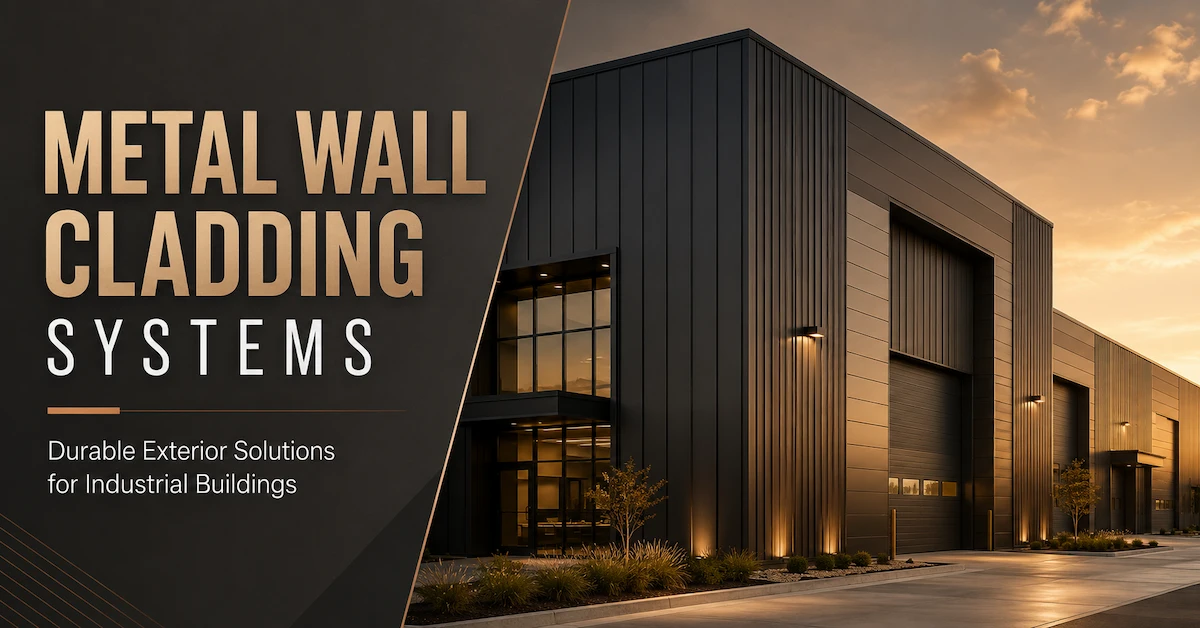
Industrial Facilities
- require long-span roofing stability
- prioritize installation speed during expansion projects
Warehouses
- depend on rapid enclosure completion
- require durable wall and roofing systems
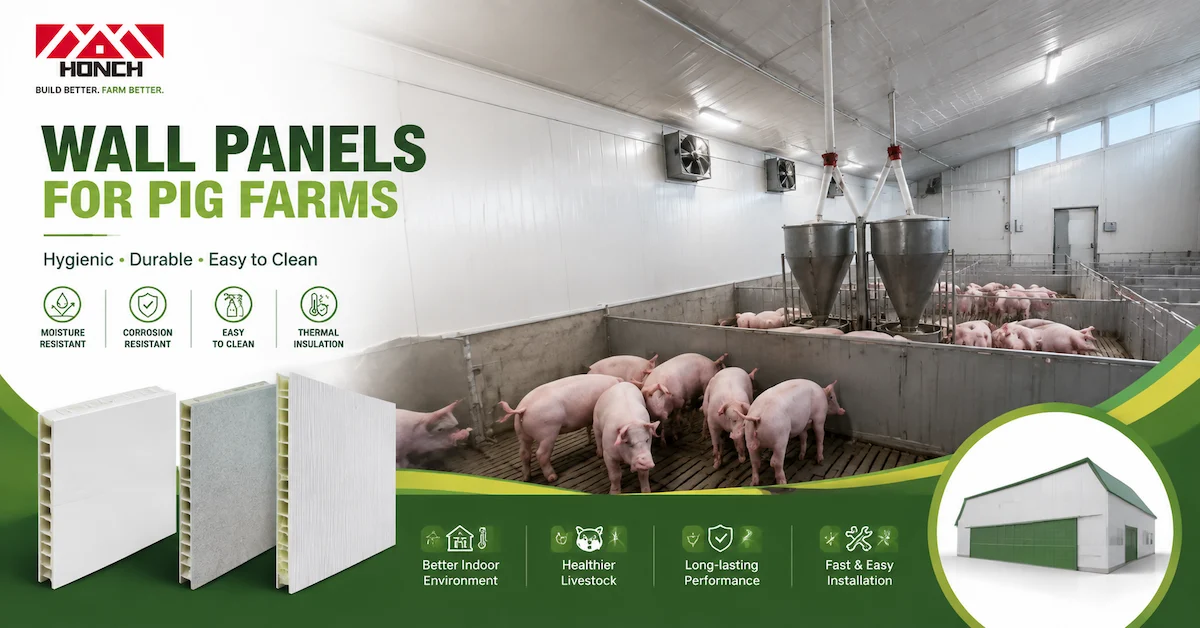
Livestock Buildings
- need corrosion-resistant materials
- require ventilation-friendly structural layouts
HONCH adjusts prefabricated systems according to operational requirements rather than using one standard configuration for every project.
Real Project Scenario: Warehouse Expansion Project
In a logistics warehouse expansion, the client faced tight construction deadlines.
The previous building phase used conventional installation methods, resulting in:
- repeated alignment adjustments
- installation delays caused by material inconsistency
- increased labor requirements
For the new phase, HONCH acted as the prefabricated construction materials supplier, providing:
- pre-engineered roofing systems
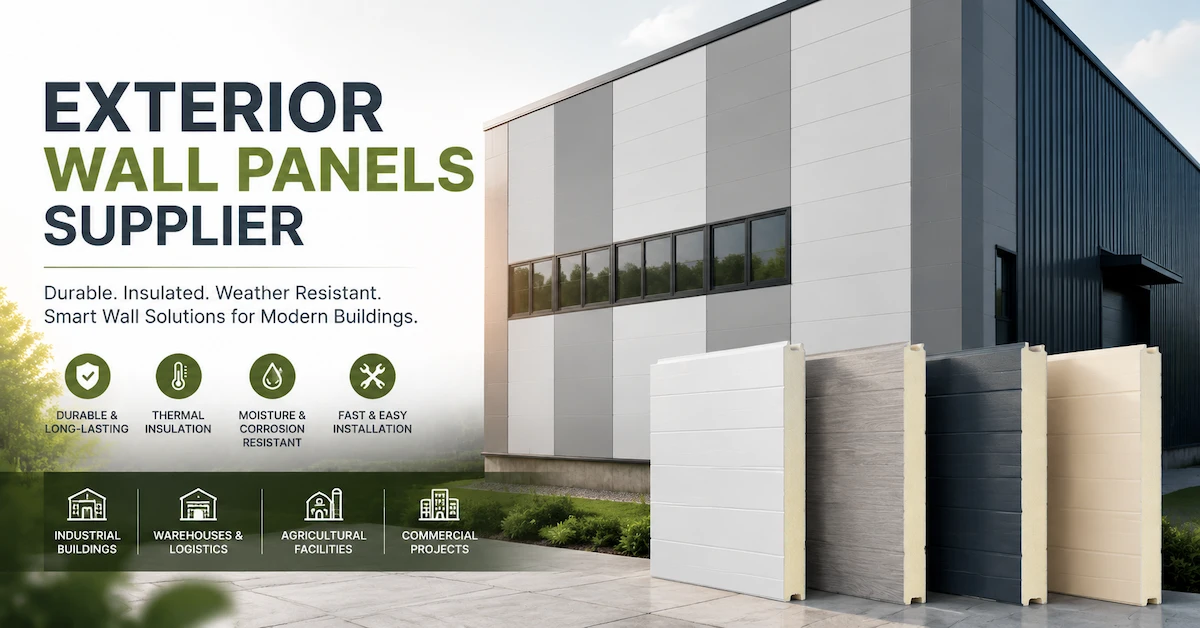
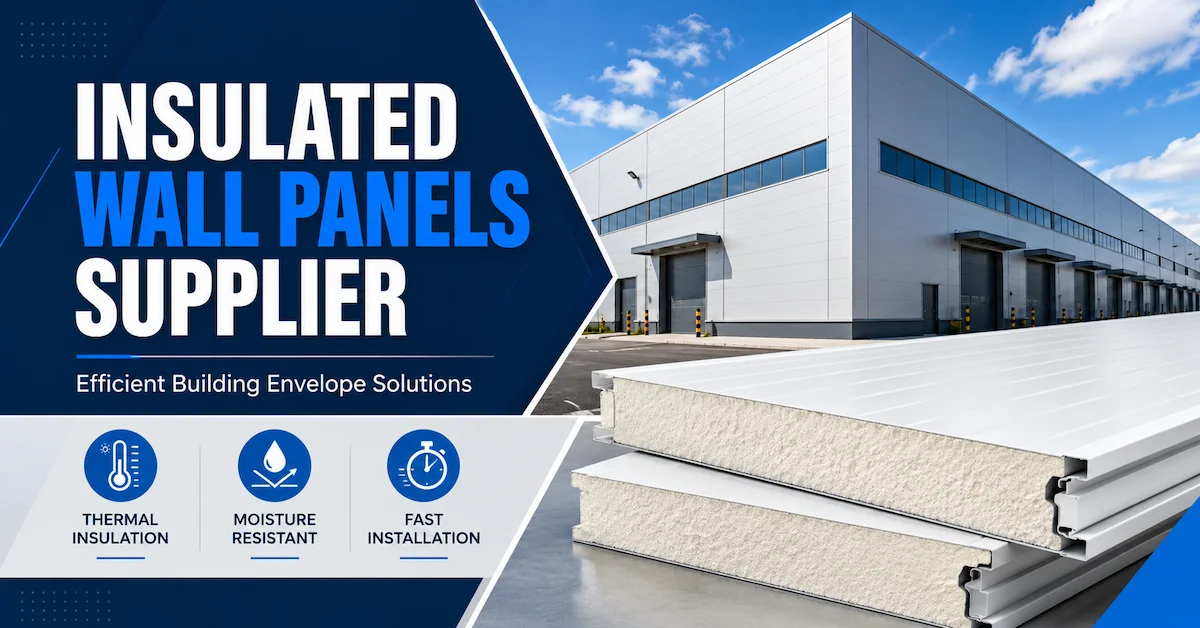
- prefabricated insulated wall panels
- coordinated accessories packaged by installation sequence
The construction team reported significantly smoother installation flow and reduced on-site correction work.
Logistics and Packaging for Prefabricated Systems
Prefabricated systems require precise delivery planning.
Improper transport or packaging can affect:
- panel alignment
- surface condition
- installation sequence efficiency
A professional prefabricated construction materials supplier coordinates:
- packaging protection for transport
- shipment timing aligned with project phases
- loading systems optimized for unloading sequence
HONCH integrates logistics planning into production to maintain installation continuity on-site.
Long-Term Structural Stability Through System Coordination
Prefabrication is not only about faster installation.
When systems are coordinated properly, it also improves:
- sealing continuity
- structural consistency
- long-term maintenance performance
HONCH projects have demonstrated:
- installation efficiency improvements of 20–30%
- maintenance reduction of 25–40% in some industrial environments
This shows how prefabricated systems affect the entire building lifecycle—not just construction speed.
Common Buyer Questions
Q: Are prefabricated systems only suitable for large industrial projects?
A: No. Medium-scale commercial and agricultural buildings also benefit from prefabricated installation systems.
Q: Does prefabrication reduce structural reliability?
A: When engineered correctly, prefabricated systems improve consistency and installation accuracy.
Q: When should a prefabricated construction materials supplier be involved?
A: During project planning and structural layout development.
Prefabricated Systems That Support Faster and More Stable Construction
Industrial construction depends on timing, coordination, and installation efficiency.
A professional prefabricated construction materials supplier provides integrated roofing, wall, and insulation systems designed to reduce delays and improve long-term building performance.
HONCH supplies prefabricated building material systems for warehouses, factories, logistics facilities, and livestock projects, combining system coordination with installation efficiency.
To explore prefabricated material solutions and applications, visit:
https://www.honchroof.com/
For project consultation and system planning, contact:
https://www.honchroof.com/contact-us