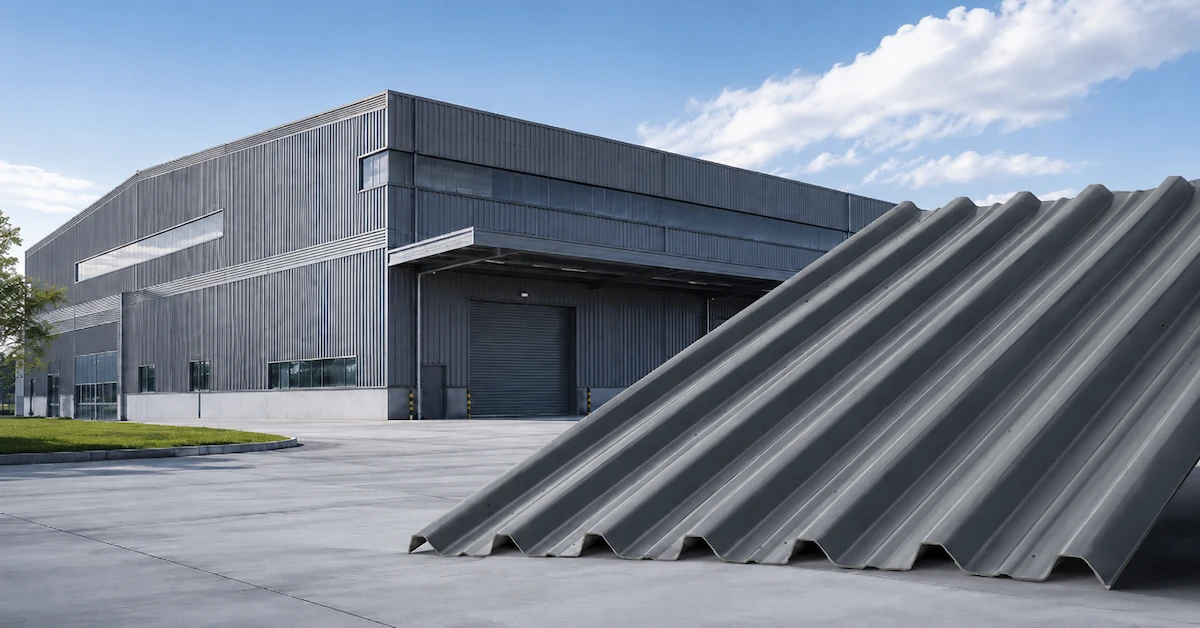
Pig farms create some of the most demanding conditions for building materials. High humidity, ammonia exposure, cleaning water, temperature fluctuations, and daily animal operations can quickly affect traditional wall systems.
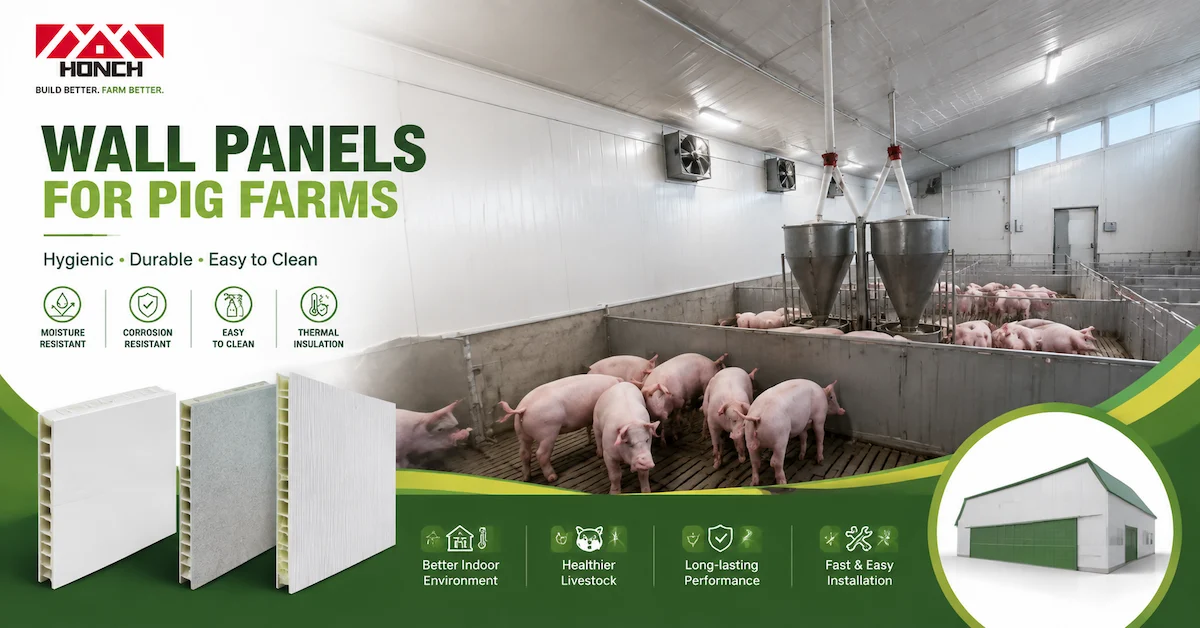
Wall panels for pig farms are specially designed wall solutions that help improve:
- Moisture resistance
- Thermal insulation
- Hygiene control
- Corrosion protection
- Cleaning efficiency
- Building durability
Modern pig farm construction requires wall systems that not only protect the building structure but also help maintain a stable and healthy environment for animals.
A professional insulated wall panels supplier should understand livestock building requirements and recommend materials according to climate, farm design, ventilation systems, and maintenance needs.
HONCH Technology provides wall, ceiling, roofing, and insulation solutions for livestock and agricultural buildings. Its product range includes PVC wall panels, PU insulation wall panels, PVC ceiling panels, UPVC/APVC roofing sheets, and supporting accessories.
Buyers can explore HONCH livestock building solutions through the Products page.
Why Pig Farms Need Specialized Wall Panels
Pig houses operate under continuous moisture and biological challenges.
Common environmental factors include:
- High humidity
- Ammonia from animal waste
- Frequent washing and disinfection
- Temperature changes
- Dust and organic materials
- Long operating periods
Poor wall material selection can lead to:
- Moisture absorption
- Mold growth
- Surface damage
- Difficult cleaning
- Increased maintenance costs
- Poor indoor conditions
Suitable wall panels help pig farms achieve:
- Better hygiene
- More stable temperatures
- Easier maintenance
- Longer building service life
- Improved farm management efficiency
Key Requirements for Pig Farm Wall Panels
Moisture Resistance
Humidity is one of the biggest challenges in pig farm buildings.
Wall panels should help prevent:
- Water penetration
- Surface deterioration
- Mold development
- Material aging
PVC-based wall panels are commonly considered for livestock environments because of their moisture-resistant properties.
Corrosion Resistance
Pig farm environments contain ammonia and cleaning chemicals that may affect traditional materials.
Durable wall panels should provide:
- Resistance to corrosive environments
- Stable surface performance
- Reduced maintenance requirements
Easy Cleaning and Hygiene
Hygiene is critical in pig production.
Suitable wall panels should offer:
- Smooth surfaces
- Easy washing
- Reduced dirt accumulation
- Better sanitation efficiency
This makes PVC wall panels suitable for many livestock applications.
Thermal Insulation Performance
Temperature control directly affects pig health and farm efficiency.
Insulated wall panels help:
- Reduce heat transfer
- Maintain stable indoor temperatures
- Improve animal comfort
- Reduce energy consumption
PU insulation wall panels are commonly used where better thermal performance is required.
Main Types of Wall Panels for Pig Farms
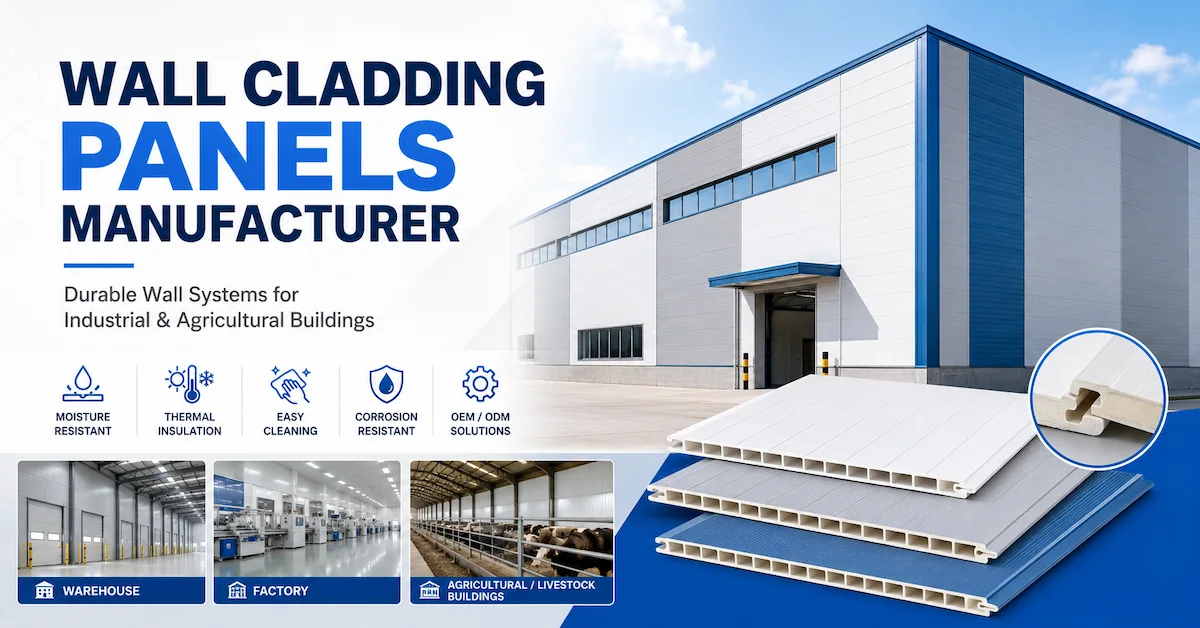
PVC Wall Panels
PVC wall panels are widely used in livestock buildings because they provide:
- Moisture resistance
- Easy cleaning
- Corrosion resistance
- Smooth surfaces
- Long service life
They are suitable for:
- Pig houses
- Poultry buildings
- Agricultural facilities
- Humid environments
PU Insulation Wall Panels
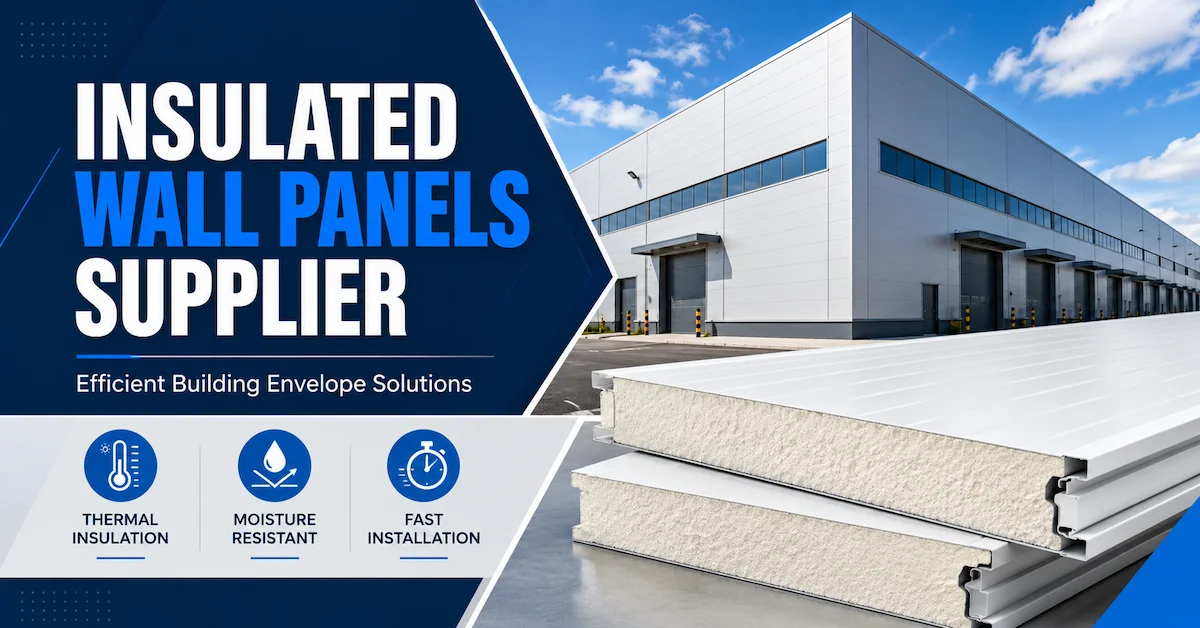
PU insulation wall panels combine wall protection with thermal insulation.
Main advantages include:
- Excellent insulation performance
- Better temperature control
- Moisture resistance
- Improved energy efficiency
They are suitable for pig farms located in:
- Cold climates
- Hot regions
- Temperature-sensitive areas
Composite Livestock Wall Panels
Composite wall systems combine different materials to meet specific farm requirements.
They may provide:
- Better durability
- Improved insulation
- Enhanced environmental resistance
The best choice depends on farm design, climate, and production requirements.
Application Areas in Pig Farm Buildings
Pig Houses
Pig houses require wall materials that support:
- Stable temperatures
- Easy cleaning
- Moisture control
- Long-term durability
Wall panels help create a more controlled environment for pig production.
Farrowing Houses
Farrowing areas require better temperature management because young piglets are sensitive to environmental changes.
Insulated wall panels can help:
- Reduce temperature fluctuations
- Improve indoor comfort
- Support efficient farm operation
Nursery Buildings
Young pigs require clean and stable environments.
Wall panels with smooth and washable surfaces help:
- Improve hygiene
- Simplify cleaning
- Reduce maintenance work
Feed Storage Buildings
Feed storage areas require protection from:
- Moisture
- Temperature changes
- Environmental contamination
Suitable wall panels help maintain better storage conditions.
Benefits of Using Wall Panels for Pig Farms
Improved Farm Hygiene
Smooth wall surfaces help reduce dirt accumulation and simplify cleaning processes.
Benefits include:
- Faster washing
- Better sanitation
- Reduced maintenance effort
Better Temperature Control
Insulated wall systems help farms maintain more stable indoor environments.
This can improve:
- Animal comfort
- Energy efficiency
- Building performance
Lower Maintenance Costs
Durable wall panels reduce the need for:
- Frequent repairs
- Surface replacement
- Moisture treatment
This improves long-term farm investment value.
Faster Construction
Prefabricated wall panels help shorten construction periods.
Advantages include:
- Faster installation
- Less labor
- Better project consistency
- Reduced construction waste
Wall Panels for Pig Farms vs Traditional Wall Systems
| Comparison | Livestock Wall Panels | Traditional Wall Systems |
|---|---|---|
| Moisture Resistance | High with suitable materials | Depends on surface treatment |
| Cleaning | Easier | More difficult |
| Insulation | Available with integrated solutions | Requires additional work |
| Installation | Faster modular installation | Longer construction |
| Maintenance | Lower | Higher |
| Farm Suitability | Designed for demanding environments | Depends on material selection |
For modern pig farm projects, specialized wall panels provide better performance than many traditional wall materials.
How to Choose a Wall Panels Supplier for Pig Farms
Selecting the right supplier affects farm performance and construction quality.
Understand Livestock Applications
A professional supplier should understand:
- Pig house requirements
- Humidity conditions
- Cleaning processes
- Ventilation systems
- Temperature control needs
Evaluate Material Performance
Buyers should compare:
- Moisture resistance
- Corrosion resistance
- Insulation performance
- Surface quality
- Cleaning requirements
Confirm Product Specifications
Before ordering, confirm:
- Panel thickness
- Panel size
- Surface material
- Insulation core
- Joint design
- Installation accessories
Check OEM/ODM Capability
Large farm projects may require customized solutions.
Customization options include:
- Panel dimensions
- Colors
- Surface finishes
- Packaging
- Complete wall and roof combinations
HONCH supports OEM/ODM cooperation for livestock contractors, distributors, and agricultural project buyers.
Why Choose HONCH for Pig Farm Wall Panels?
HONCH Technology focuses on complete building material solutions for livestock, agricultural, and industrial projects.
HONCH provides:
- PVC wall panels
- PU insulation wall panels
- PVC ceiling panels
- UPVC/APVC roofing systems
- Roofing accessories
- OEM/ODM customization
By integrating walls, ceilings, and roofing systems, HONCH helps customers create more efficient livestock buildings.
Buyers can learn more about HONCH company capabilities through the About Us page.
For specifications, samples, and project quotations, buyers can contact HONCH through the Contact Us page.
OEM/ODM Solutions for Pig Farm Wall Panels
Different pig farm projects require different wall configurations.
HONCH supports:
- Custom panel thickness
- Custom panel length
- Color selection
- Product combinations
- Packaging requirements
Examples:
Large Pig Farm Projects
Need:
- Durable wall systems
- Efficient installation
- Long-term performance
Breeding Farms
Need:
- Better hygiene
- Temperature stability
- Easy maintenance
Regional Farm Construction Projects
Need:
- Climate-specific solutions
- Customized materials
- Reliable supply
FAQ
What are the best wall panels for pig farms?
PVC wall panels and PU insulation wall panels are commonly used because they provide moisture resistance, easy cleaning, and thermal performance.
Why do pig farms need special wall panels?
Pig farms face humidity, ammonia, cleaning water, and temperature changes, requiring more durable wall materials than standard buildings.
Are PVC wall panels suitable for pig houses?
Yes. PVC wall panels are suitable for pig houses because they provide smooth surfaces, moisture resistance, and easy cleaning.
Can insulated wall panels improve pig farm efficiency?
Yes. Insulated wall panels help maintain stable temperatures and reduce heat transfer.
Can HONCH customize pig farm wall panels?
Yes. HONCH supports OEM/ODM customization including sizes, colors, surfaces, packaging, and project requirements.
How do I choose a pig farm wall panel supplier?
Evaluate livestock application experience, material quality, technical support, customization ability, and production capability.
Conclusion
Choosing the right wall panels for pig farms helps improve hygiene, moisture protection, temperature control, and long-term building performance.
For modern pig houses, breeding farms, and livestock facilities, wall materials should be selected according to environmental conditions, cleaning requirements, and animal comfort needs.
HONCH supplies PVC wall panels, PU insulation wall panels, roofing systems, ceiling panels, and accessories for livestock and agricultural projects.
With complete building-envelope solutions and OEM/ODM support, HONCH helps global customers build more efficient and durable pig farm facilities.