Choosing the right roof cladding panels supplier is important for buildings that require reliable protection against rain, sunlight, humidity, corrosion, and temperature changes. Roof cladding panels are not only an external covering layer. They are an important part of a building system that affects waterproofing, insulation, maintenance cost, appearance, and long-term performance.
For factories, warehouses, agricultural buildings, livestock facilities, and commercial structures, buyers need more than standard roof sheets. They need roof cladding solutions that match the building environment, installation requirements, and expected service life.
HONCH Technology supplies roofing, wall, ceiling, and accessory systems for demanding environments. Its product range includes UPVC/APVC roofing sheets, PVC ceiling panels, PU insulation panels, wall panels, hip ridge caps, and inside corner deflectors. Buyers can review product options through the Products page or learn more about HONCH through the About Us page.
What Are Roof Cladding Panels?
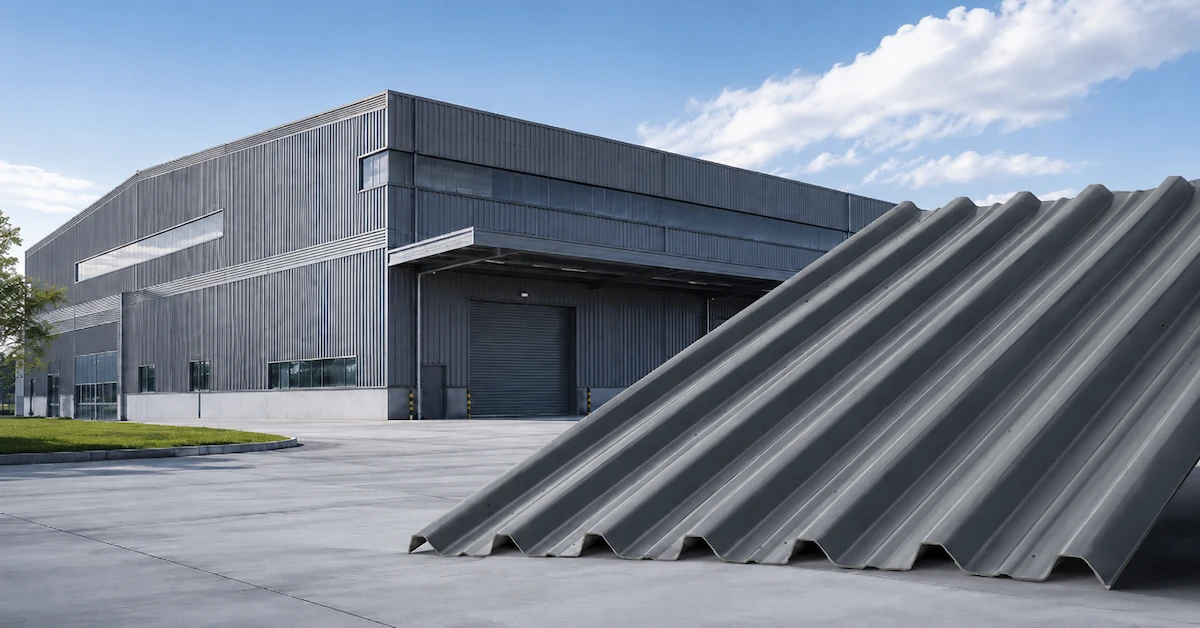
Roof cladding panels are exterior building panels installed on roofs to provide protection from weather conditions while improving building durability and appearance. Depending on the application, roof cladding panels can be made from metal, PVC, UPVC, APVC, composite materials, or insulated structures.
A complete roof cladding system usually includes:
- Main roof cladding panels
- Ridge caps
- Flashing components
- Edge trims
- Fasteners and sealing washers
- Insulation layers
- Ceiling or wall panels when required
For B2B buyers, choosing a roof cladding panels supplier means choosing a partner who understands the entire roofing system, not only supplying individual sheets.
Why Roof Cladding Panels Matter for Buildings
The roof is one of the most exposed parts of any building. It must continuously handle:
- Heavy rain
- Strong sunlight
- Wind pressure
- Temperature changes
- Humidity
- Dust
- Chemical exposure in some industries
Poor roof cladding selection can lead to:
- Water leakage
- Corrosion problems
- Heat buildup
- Increased maintenance
- Damaged stored goods
- Reduced building lifespan
A suitable roof cladding panel can help improve:
- Waterproof protection
- Thermal comfort
- UV resistance
- Corrosion resistance
- Installation efficiency
- Long-term cost control
Who Needs Roof Cladding Panels?
Roof cladding panels are commonly purchased by:
- Factory construction contractors
- Warehouse developers
- Industrial building owners
- Agricultural building contractors
- Livestock farm builders
- Roofing material importers
- Building material distributors
- OEM/ODM roofing brands
- Commercial construction companies
These buyers usually focus on:
- Panel durability
- Material quality
- Waterproof performance
- Corrosion resistance
- Customization options
- Delivery reliability
- Supplier experience
Main Types of Roof Cladding Panels
Different projects require different roof cladding materials. A professional supplier should recommend materials according to climate, building type, and application environment.
| Material Type | Main Feature | Suitable Applications |
|---|---|---|
| UPVC Roof Cladding Panels | Waterproof, lightweight, corrosion resistant | Warehouses, farms, workshops |
| APVC Roof Panels | Enhanced weather and corrosion resistance | Industrial buildings, chemical environments |
| PVC Corrugated Panels | Economical and easy installation | Agricultural buildings, light structures |
| PU Insulation Panels | Better thermal insulation | Temperature-sensitive buildings |
| ASA Surface Layer Panels | UV and weather resistance | Outdoor roofs with strong sunlight |
| Metal Roof Cladding Panels | High strength and common usage | Standard industrial buildings |
For humid, corrosive, or agricultural environments, UPVC/APVC roof cladding panels can provide advantages over traditional metal roof sheets.
Application Scenario 1: Industrial Buildings
Factories and industrial workshops often require roof cladding systems that can handle large roof areas, heat exposure, dust, humidity, and possible chemical conditions.
For industrial buildings, buyers should evaluate:
- Corrosion resistance
- Heat resistance
- Waterproof joints
- Roof span requirements
- Panel thickness
- Accessory compatibility
- Maintenance needs
APVC roof cladding panels can be suitable for industrial environments where standard materials may experience faster aging.
Application Scenario 2: Warehouses and Logistics Centers
Warehouses require reliable roof protection because stored products, packaging, equipment, and inventory depend on a dry indoor environment.
For warehouse projects, roof cladding panels should provide:
- Effective rainwater drainage
- Stable outdoor performance
- Low maintenance requirements
- Easy installation
- Good sealing performance
UPVC roof cladding panels are commonly considered for warehouses because they combine lightweight installation with waterproof and corrosion-resistant performance.
Application Scenario 3: Livestock and Agricultural Buildings
Agricultural buildings and livestock facilities create challenging roof environments due to moisture, ammonia, cleaning water, and temperature changes.
Roof cladding panels for farms should provide:
- Anti-corrosion performance
- Moisture resistance
- Heat resistance
- Easy maintenance
- Compatibility with ceiling and wall systems
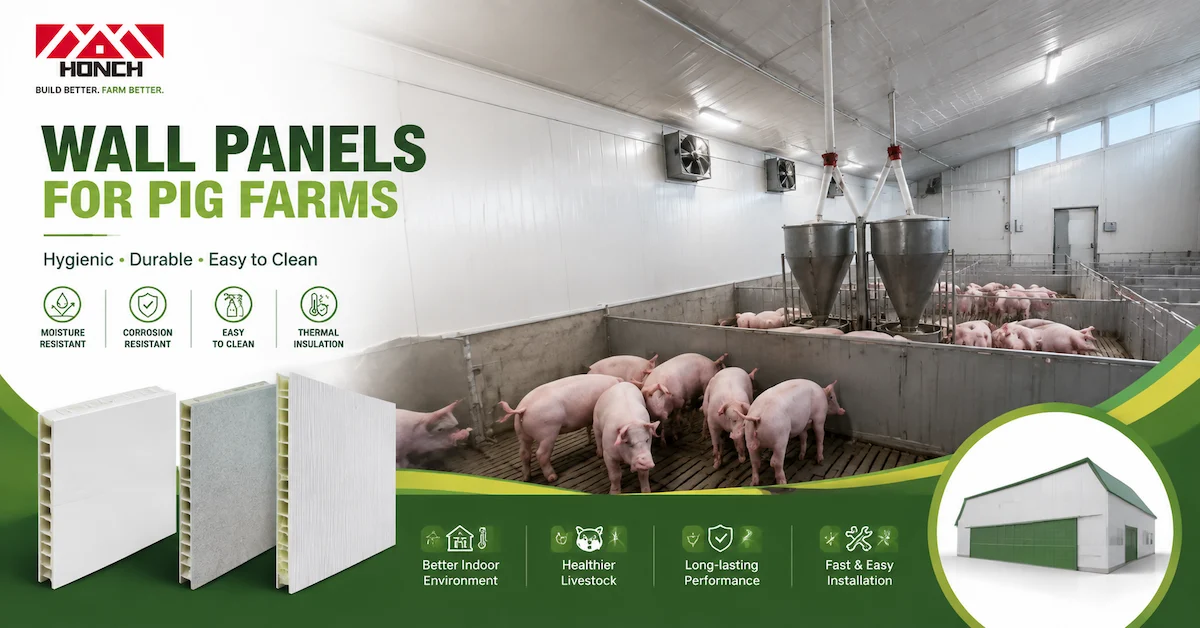
HONCH supplies roofing, ceiling, and wall solutions that can be combined for poultry houses, pig farms, cattle barns, and agricultural buildings.
Key Specifications Buyers Should Confirm
Before ordering from a roof cladding panels supplier, buyers should confirm technical specifications.
| Item | What Buyers Should Check |
| Material | UPVC, APVC, PVC, PU, ASA, metal, or composite structure |
| Thickness | Based on roof span and application environment |
| Width | Full width and effective coverage width |
| Length | Standard or customized length |
| Profile | Corrugated, trapezoidal, wave, or customized profile |
| Color | White, grey, blue, brick red, or custom color |
| Surface | UV-resistant, weather-resistant, smooth, or textured finish |
| Waterproof Design | Overlap method, ridge sealing, flashing details |
| Accessories | Ridge cap, flashing, trims, fasteners |
| Application | Factory, warehouse, farm, commercial building |
| Packaging | Export packing or private label packaging |
| Certification | ISO9001, CE, or project requirements |
Clear specifications help buyers compare suppliers more accurately and avoid installation problems.
Roof Cladding Panels vs Traditional Roof Sheets
| Comparison Item | Roof Cladding Panels | Traditional Roof Sheets |
| System Approach | Includes panels and matching accessories | Often focuses only on sheets |
| Waterproofing | Better when matched with proper accessories | Depends heavily on installation |
| Corrosion Resistance | Available with UPVC/APVC options | Depends on material and coating |
| Insulation Options | Can combine with insulation systems | May require additional solutions |
| Application Range | Industrial, agricultural, commercial projects | General roofing applications |
| Long-Term Value | Better for demanding projects | Depends on environment |
For professional construction projects, a complete roof cladding system is usually more reliable than buying separate roof sheets.
Roofing Accessories Are Essential
A roof cladding system depends on more than the main panels. Accessories protect vulnerable areas where leakage often occurs.
Important components include:
- Ridge caps
- Side trims
- Flashing parts
- Inside corner deflectors
- Fasteners
- Sealing washers
HONCH supplies roofing accessories such as hip ridge caps and inside corner deflectors to support complete roof system installation.
A matched system helps reduce:
- Water leakage
- Installation errors
- Material mismatch
- Maintenance problems
How to Choose a Reliable Roof Cladding Panels Supplier
A professional supplier should provide technical support, not only product prices.
Supplier Checklist
- Does the supplier understand industrial and agricultural applications?
- Can they explain material differences clearly?
- Are specifications complete?
- Can they recommend suitable materials for climate conditions?
- Are matching accessories available?
- Do they support OEM/ODM customization?
- Can they provide export packaging?
- Are quality documents available?
- Do they have project experience?
- Can they provide clear quotations and technical communication?
HONCH Technology was founded in 2008 and focuses on roofing, wall, ceiling, and accessory systems for farms, factories, warehouses, and industrial buildings.
OEM/ODM Roof Cladding Panel Solutions
Many distributors and contractors need customized roof cladding products for their markets or projects.
Customization options include:
- Custom thickness
- Custom length
- Custom color
- Profile selection
- Surface texture
- Packaging design
- Private label support
- Accessory matching
- Complete roof system combinations
For example:
- A warehouse project may require customized panel lengths.
- A livestock project may require roof panels with ceiling and wall systems.
- A distributor may need branded packaging and standard colors.
A capable roof cladding panels supplier should support both standard supply and project customization.
Cost Factors Buyers Should Consider
Roof cladding panel cost depends on:
- Material type
- Panel thickness
- Surface treatment
- Custom requirements
- Order quantity
- Accessories
- Packaging
- Shipping destination
- Installation requirements
The lowest price is not always the lowest total cost. Buyers should compare:
- Service life
- Maintenance requirements
- Installation efficiency
- Supplier support
- System completeness
Why Choose HONCH as Your Roof Cladding Panels Supplier?
HONCH provides roofing materials and building envelope solutions for industrial, agricultural, and commercial projects.
Advantages include:
- UPVC/APVC roof cladding panels
- Waterproof and anti-corrosion roofing solutions
- PVC ceiling and PU insulation panels
- Matching roofing accessories
- OEM/ODM customization
- Export support for international buyers
- Project-based product recommendations
Buyers can review practical applications through HONCH’s Engineering Case page or contact the team through the Contact Us page.
FAQ
1. What are roof cladding panels?
Roof cladding panels are exterior roofing materials designed to protect buildings from weather while improving durability and appearance.
2. Are UPVC roof cladding panels suitable for factories?
Yes. UPVC/APVC roof cladding panels are suitable for factories, warehouses, and industrial buildings where waterproofing and corrosion resistance are important.
3. Can roof cladding panels be customized?
Yes. Suppliers can customize thickness, length, color, profile, surface, packaging, and accessories.
4. What accessories are needed for roof cladding systems?
Common accessories include ridge caps, flashing, trims, fasteners, and sealing washers.
5. Are roof cladding panels suitable for livestock buildings?
Yes. Corrosion-resistant roof cladding panels are suitable for poultry houses, pig farms, and agricultural buildings.
6. How do I choose a roof cladding panels supplier?
Evaluate material options, technical support, customization ability, certifications, export experience, and project knowledge.
Conclusion
Choosing the right roof cladding panels supplier helps buyers build safer, more durable, and lower-maintenance roofing systems. For factories, warehouses, agricultural buildings, and commercial projects, roof cladding should be selected based on waterproofing, corrosion resistance, heat performance, and long-term value.
HONCH supplies UPVC/APVC roof cladding panels, insulation panels, wall panels, ceiling panels, and roofing accessories for demanding building environments. Contact HONCH to discuss your project requirements, specifications, samples, and bulk purchasing needs.