How a Poultry equipement Supplier Impacts Farm Performance After Installation
In broiler houses and layer farms, equipment is exposed to dust, moisture, ammonia, vibration, and continuous operation cycles. Under these conditions, selecting a Poultry equipement Supplier is not a matter of catalog comparison. It determines whether feeding, ventilation, and housing systems continue to operate reliably through multiple production cycles—or become a constant source of downtime and repair.
Operating Conditions Inside Poultry Houses
Poultry facilities create a unique internal environment that accelerates material fatigue.
-
High ammonia concentration from litter and waste
-
Fine dust accumulation affecting moving components and surfaces
-
Frequent cleaning and disinfection between cycles
-
Tight environmental control requirements for temperature and airflow
A qualified Poultry equipement Supplier designs materials and systems to withstand these combined stresses rather than isolated lab conditions.
Material Choices That Affect Hygiene and Service Life
Material selection plays a decisive role in poultry farm performance.
Structural and housing components
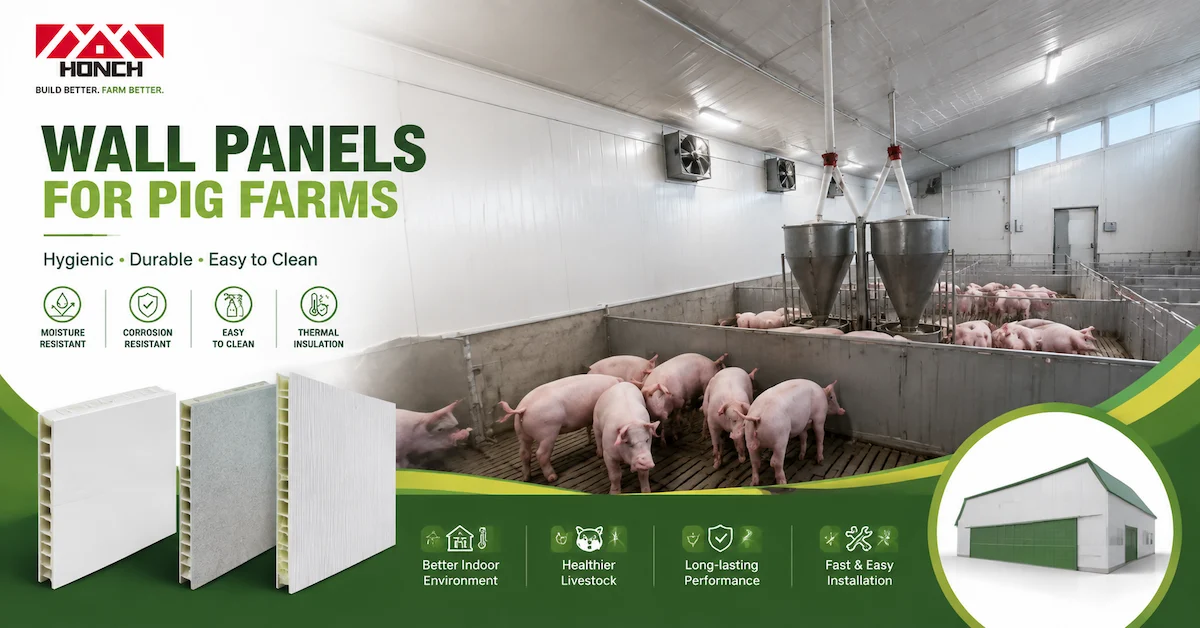
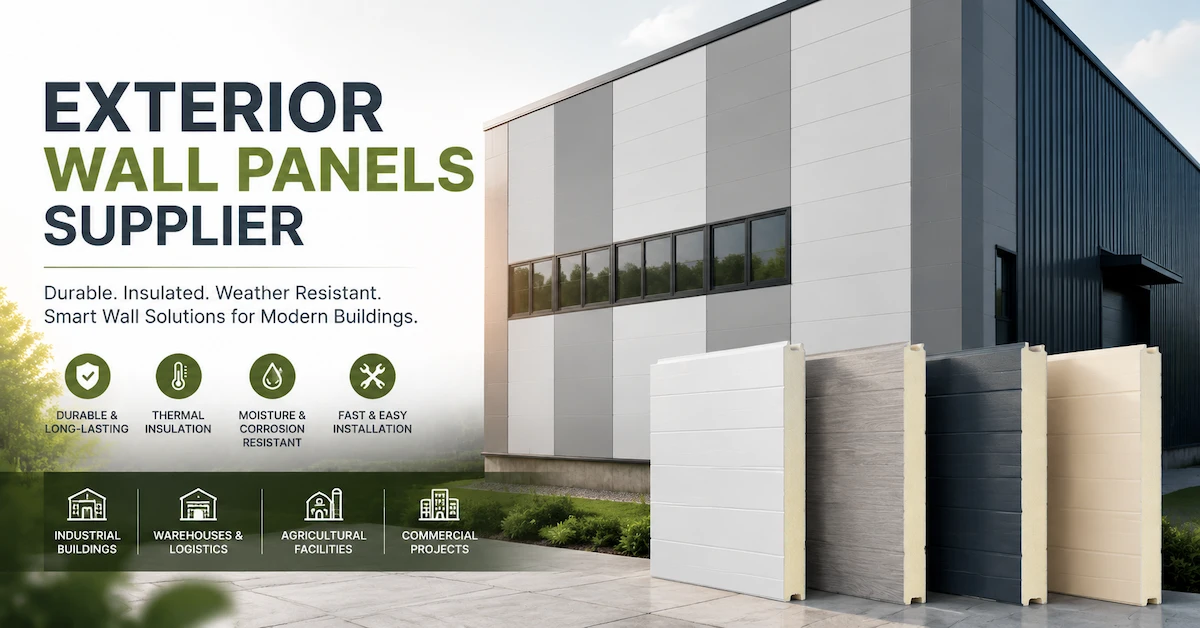
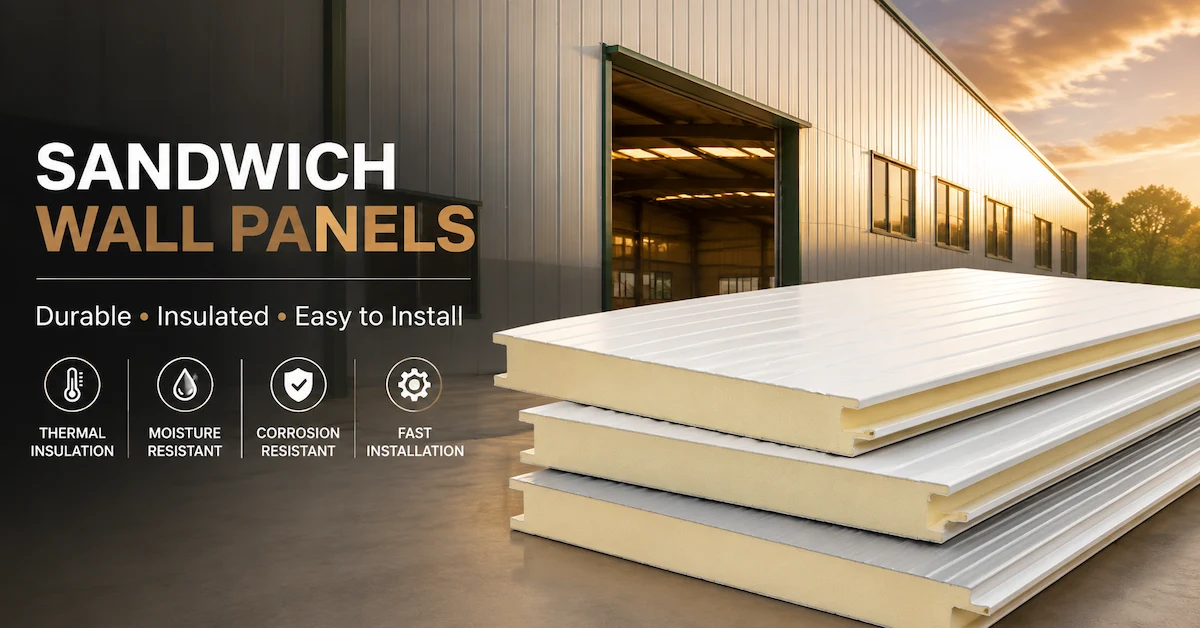
Polymer-based panels and components resist corrosion and do not absorb moisture, making them suitable for repeated washdown. Compared with coated metal parts, polymer systems typically show 40–55% lower corrosion-related maintenance over the facility lifecycle.
Feeding and support structures
Components exposed to constant movement and load benefit from materials with stable dimensional behavior. Poor material selection often leads to deformation that affects feed flow and animal access.
Ceiling and interior surfaces
Smooth, non-porous ceiling and wall surfaces reduce dust adhesion and bacterial buildup, shortening cleaning time and improving biosecurity between flocks.
A Poultry equipement Supplier that understands these material behaviors can reduce both labor and replacement cost over time.
System Compatibility: Why Equipment Must Work Together
Poultry equipment rarely functions independently. Housing structure, ventilation layout, and interior materials interact continuously.
A system-oriented Poultry equipement Supplier provides:
-
Equipment designed to integrate with wall, ceiling, and roofing systems
-
Compatible fixing methods that avoid stress concentration
-
Layout guidance aligned with airflow and waste management
This approach reduces on-site modification, a frequent cause of premature equipment failure.
Performance Differences Observed Across Poultry Projects
| Performance Indicator | Conventional Equipment Supply | System-Based Poultry Supply |
|---|---|---|
| Corrosion-related issues after 4–5 cycles | 30–40% component replacement | <10% localized maintenance |
| Cleaning time per cycle | Baseline | 20–30% reduction |
| Dust accumulation on surfaces | High | Significantly reduced |
| Annual maintenance cost ratio* | 100% baseline | ~50–60% |
| Expected service life | 8–10 years | 15–20+ years |
*Maintenance cost ratio based on comparative poultry operation feedback where conventional supply is treated as baseline.
These differences explain why large-scale farms increasingly favor integrated supply over mixed sourcing.
From Delivery to Daily Use: How Poultry Systems Are Applied
In poultry projects supported by HONCH, systems are typically configured as follows:
-
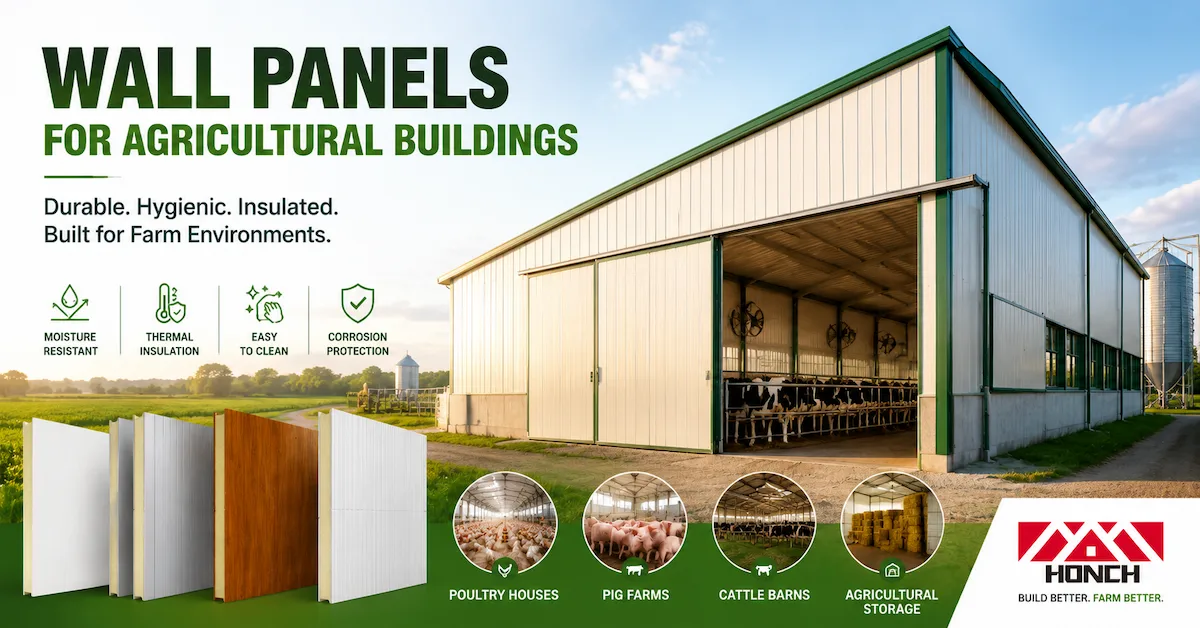
Polymer wall and ceiling panels installed to support frequent washdown
-
Equipment layouts coordinated with ventilation to reduce condensation
-
Corrosion-resistant roofing and interior components to extend service life
These configurations are refined through repeated farm applications rather than theoretical design assumptions.
Procurement Reality: What Farm Owners Actually Evaluate
Beyond technical performance, procurement terms shape project feasibility.
Based on HONCH’s project-oriented supply practice:
-
MOQ: Typically aligned with poultry house scale rather than fixed container quantities
-
Lead time: Standard components follow stable production schedules; customized configurations require early coordination
-
Customization: Material thickness, surface finish, and layout adjustments based on climate and farm size
A Poultry equipement Supplier with controlled manufacturing can support these requirements without disrupting production timelines.
Common Buyer Questions
Q: When does an integrated poultry equipment system outperform mixed sourcing?
A: In high-density farms with strict hygiene requirements. Integrated systems typically reduce maintenance and cleaning labor by 30–45% across production cycles.
Q: Are polymer-based materials safe for long-term poultry use?
A: Yes. Properly formulated polymer systems resist corrosion and moisture absorption, making them suitable for continuous livestock environments.
Q: When should customization be discussed with the supplier?
A: During the design or early procurement stage. Early alignment allows the Poultry equipement Supplier to integrate production and logistics efficiently.
Final Guidance for Poultry Farm Investors and Operators
Choosing a Poultry equipement Supplier is a long-term operational decision. In poultry production, durability, hygiene control, and predictable maintenance cost directly influence profitability and flock health.
HONCH supports poultry projects by supplying integrated roofing, wall, ceiling, and interior systems designed for demanding livestock environments. With controlled manufacturing, system compatibility, and project-based customization, HONCH helps poultry farms achieve stable operation and lower lifecycle cost.
To explore poultry facility systems and application experience, visit the HONCH homepage:
https://www.honchroof.com/
If you are planning or upgrading a poultry facility and need guidance on system selection, MOQ, lead time, or customization feasibility, contact the technical team directly via Contact Us:
https://www.honchroof.com/contact-us