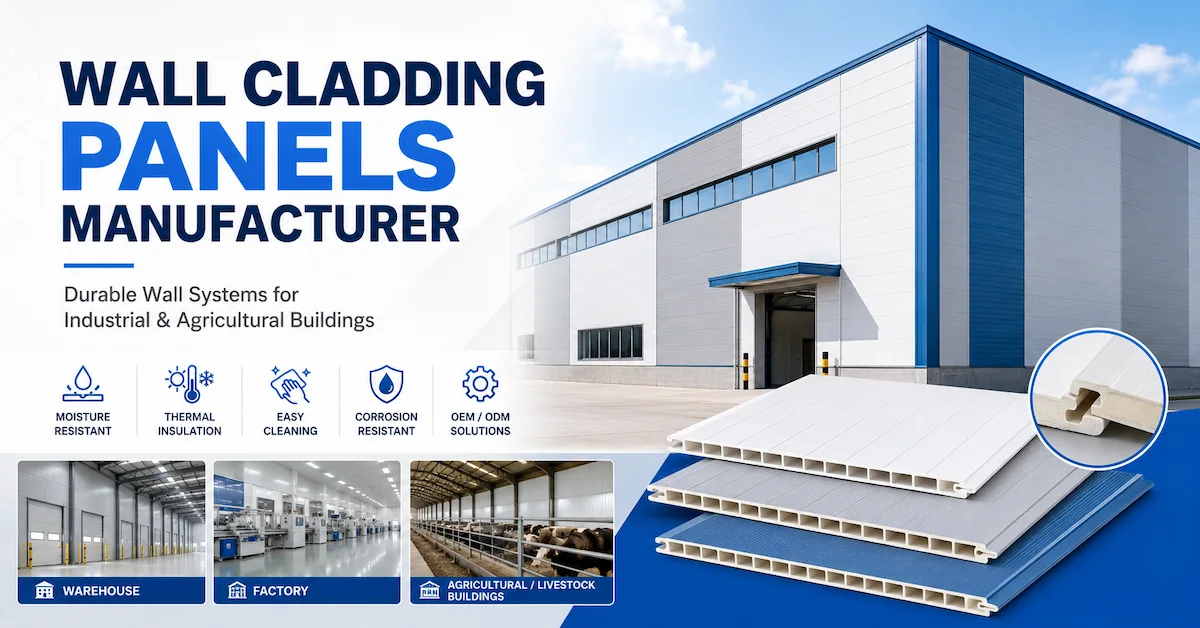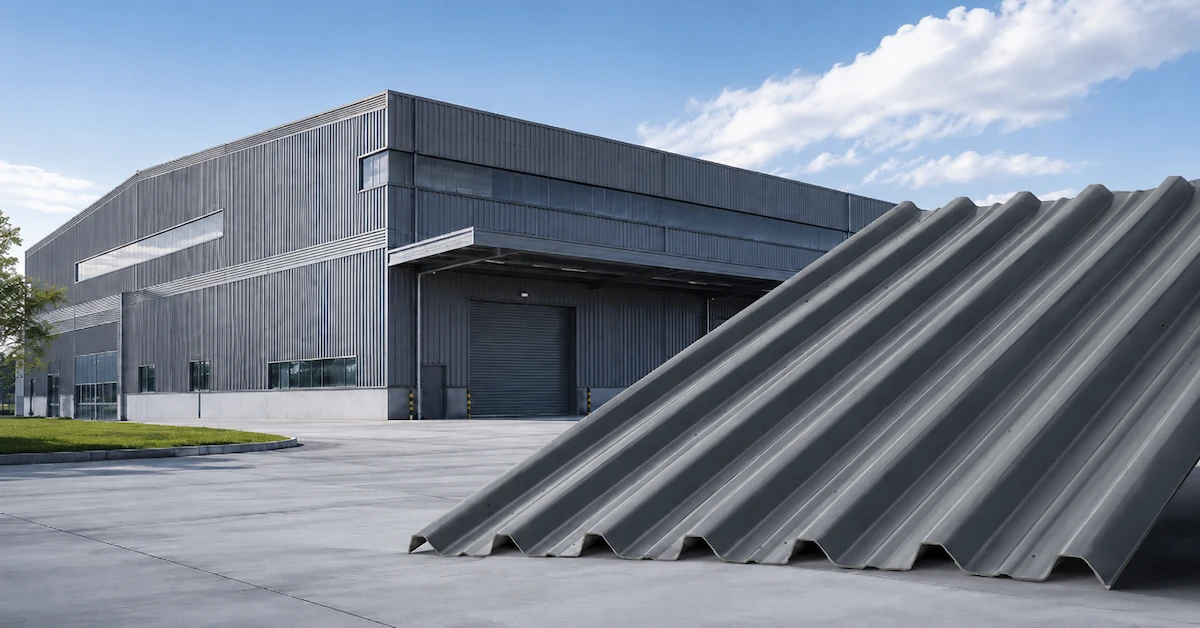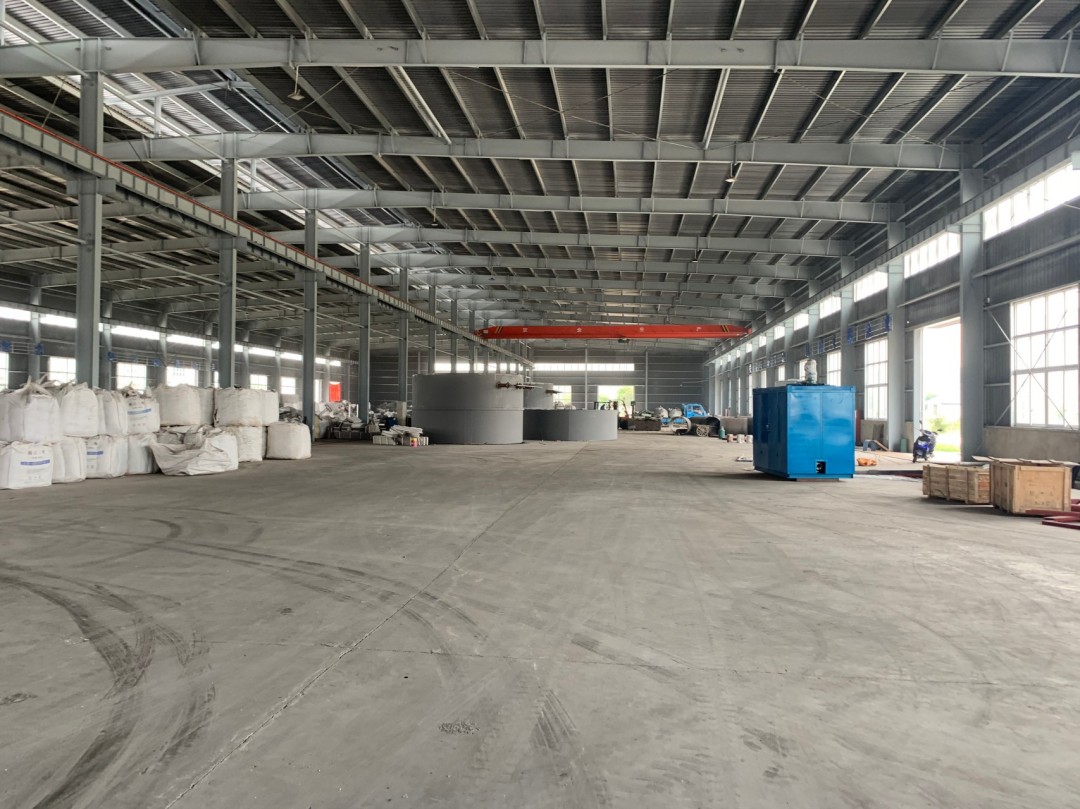
In chemical plants, the roof is not just exposed to sunlight and rain.
It faces chemical vapors, temperature fluctuations, and airborne particles that gradually attack materials over time. At first, everything appears stable. Panels remain intact. Coatings look consistent.
Then small changes begin.
Surface discoloration. Minor corrosion points near joints. Gradual degradation that spreads slowly—but steadily.
For operators, these changes often lead to increased inspection cycles, localized repairs, and eventually partial roof replacement.
This is where the role of an Industrial Roofing Panels Manufacturer becomes critical. At HONCH, roofing systems for chemical environments are designed based on exposure conditions, not standard industrial assumptions. By combining corrosion-resistant materials, controlled panel structures, and environment-specific configurations, we provide roofing systems capable of maintaining performance under chemical and thermal stress.
Chemical Exposure and Its Impact on Roofing Materials
Chemical plants release various vapors and residues depending on production processes. These substances interact with roofing materials differently than natural weather conditions.
Common impacts include:
- accelerated corrosion of metal surfaces
- degradation of protective coatings
- weakening of panel joints over time
According to material durability studies referenced by ASTM International (ASTM B117 Salt Spray Testing Standard), continuous exposure to corrosive environments significantly reduces the lifespan of untreated or lightly protected metal surfaces.
An experienced Industrial Roofing Panels Manufacturer selects materials and coatings based on exposure type rather than relying on standard roofing solutions.
HONCH roofing systems are adapted to resist chemical interaction and maintain surface stability over long operational cycles.
Material Selection for Corrosion Resistance
Material performance determines how well a roofing system withstands aggressive environments.
| Roofing Material Type | Corrosion Resistance | Maintenance Frequency | Suitable Environment |
|---|---|---|---|
| Standard galvanized steel | Moderate | High | General industry |
| Coated steel panels | High | Medium | Light chemical exposure |
| Polymer roofing panels | Very High | Low | Chemical plants & livestock |
HONCH frequently applies polymer-based roofing panels in chemical plant projects due to their resistance to chemical vapor interaction and stable surface properties.
In comparable environments, these materials have extended service life by 30–45% compared with conventional coated metal roofing.
Structural Design for Thermal Expansion and Stability
Chemical plants often experience temperature variation due to process heat and environmental exposure.
Roofing systems must accommodate:
- expansion and contraction of panels
- structural movement under temperature changes
- stress concentration at fixing points
Without proper structural design, these factors can lead to:
- joint fatigue
- panel deformation
- leakage over time
An Industrial Roofing Panels Manufacturer addresses this through panel profile design and installation planning.
HONCH roofing systems incorporate:
- profiles that allow controlled expansion
- fastening strategies that reduce stress concentration
- panel lengths aligned with structural support spacing
These adjustments improve long-term stability under fluctuating temperature conditions.
Sealing Performance in Contaminated Environments
In chemical plants, sealing performance is critical—not only for preventing water leakage but also for limiting infiltration of airborne contaminants.
Weak sealing systems may result in:
- internal corrosion from trapped vapors
- degradation of insulation layers
- increased maintenance frequency
HONCH roofing systems utilize joint designs that enhance sealing continuity across large roof surfaces, reducing exposure to external contaminants.
For an Industrial Roofing Panels Manufacturer, sealing is not a secondary feature—it is part of the overall durability strategy.
Project Case: Roofing System for Industrial Processing Facility
In a chemical processing facility project supported by HONCH, the client required a roofing system capable of handling both chemical exposure and temperature variation.
Project requirements included:
- corrosion-resistant roofing surface
- stable performance under thermal fluctuation
- reduced maintenance frequency
HONCH implemented:
- polymer-based roofing panels
- optimized joint sealing systems
- structural alignment with building framework
After installation, the roofing system maintained surface integrity with minimal signs of degradation, reducing maintenance interventions compared with previously used materials.
Installation Strategy in Chemical Environments
Installation practices influence long-term performance, especially in chemically active environments.
Key considerations include:
- minimizing exposed fasteners
- ensuring consistent joint sealing
- maintaining panel alignment across large areas
HONCH provides installation guidance aligned with panel system design, ensuring that performance characteristics are preserved during construction.
Application Adaptation Beyond Chemical Plants
While chemical plants represent one of the most demanding environments, similar challenges appear in:
- fertilizer production facilities
- wastewater treatment plants
- coastal industrial buildings
An experienced Industrial Roofing Panels Manufacturer adapts roofing systems based on environmental conditions rather than applying a single solution across all projects.
HONCH roofing systems are configured according to application-specific requirements, ensuring consistent performance across different industrial sectors.
Common Buyer Questions
Q: Can standard roofing panels be used in chemical plants?
A: In most cases, standard panels degrade faster under chemical exposure and require more frequent maintenance.
Q: How important is material selection in corrosive environments?
A: Material selection directly determines lifespan, maintenance frequency, and overall performance.
Q: When should a project involve an Industrial Roofing Panels Manufacturer?
A: During the design stage, so roofing systems can be matched to environmental conditions.
Roofing Systems Adapted to Industrial Environments
Industrial roofing performance depends on how well materials and structures respond to real operating conditions.
An Industrial Roofing Panels Manufacturer that understands chemical exposure, thermal behavior, and sealing requirements can provide roofing systems that maintain stability over time.
HONCH supplies industrial roofing panels designed for demanding environments, combining corrosion resistance, structural stability, and application-specific configurations.
To explore industrial roofing solutions and project applications, visit the HONCH homepage:
https://www.honchroof.com/
For project consultation and customized roofing systems, contact the team via Contact Us:
https://www.honchroof.com/contact-us