Industrial Building Materials Manufacturer for Heavy-Duty Facilities: How Material Systems Improve Structural Stability and Service Life
Industrial buildings are not designed for appearance—they are designed for continuous operation.
Every day, the structure carries more than just its own weight. It supports machinery vibration, temperature fluctuations, moisture exposure, heavy logistics movement, and production pressure that never truly stops.
At the beginning, many buildings perform well. Installation is complete, the systems are running, and everything appears stable.
Then real usage begins.
Roof joints start showing stress. Wall systems react to humidity changes. Maintenance teams begin solving problems that were not visible during construction.
This usually happens not because of one major design issue, but because the material system was never fully matched to the operational environment.
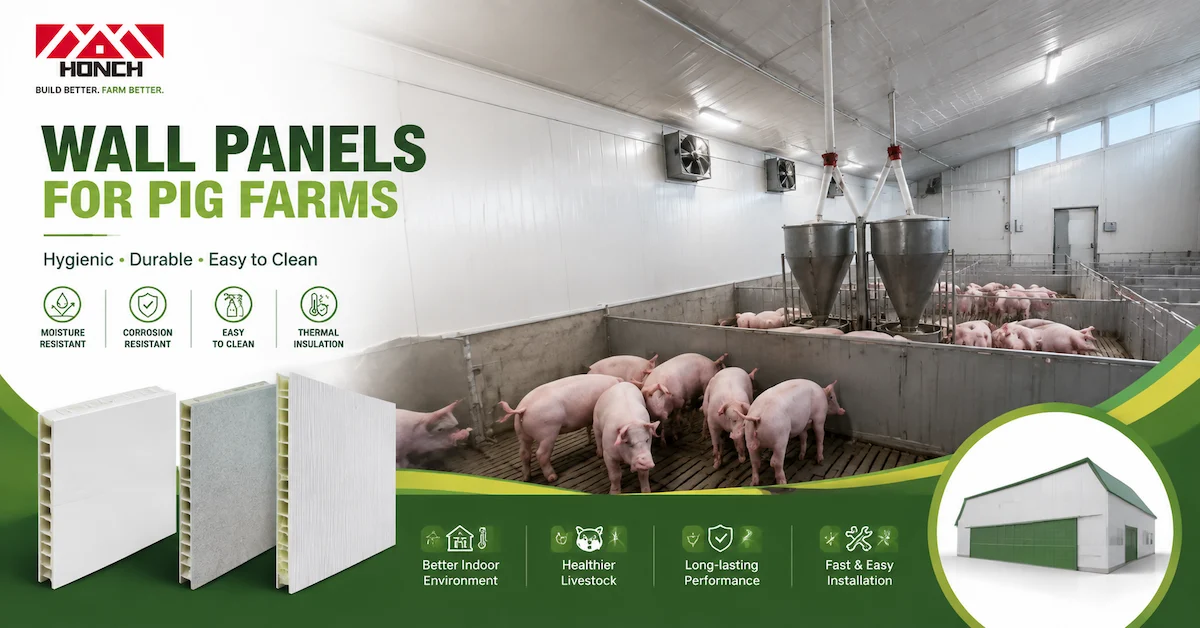
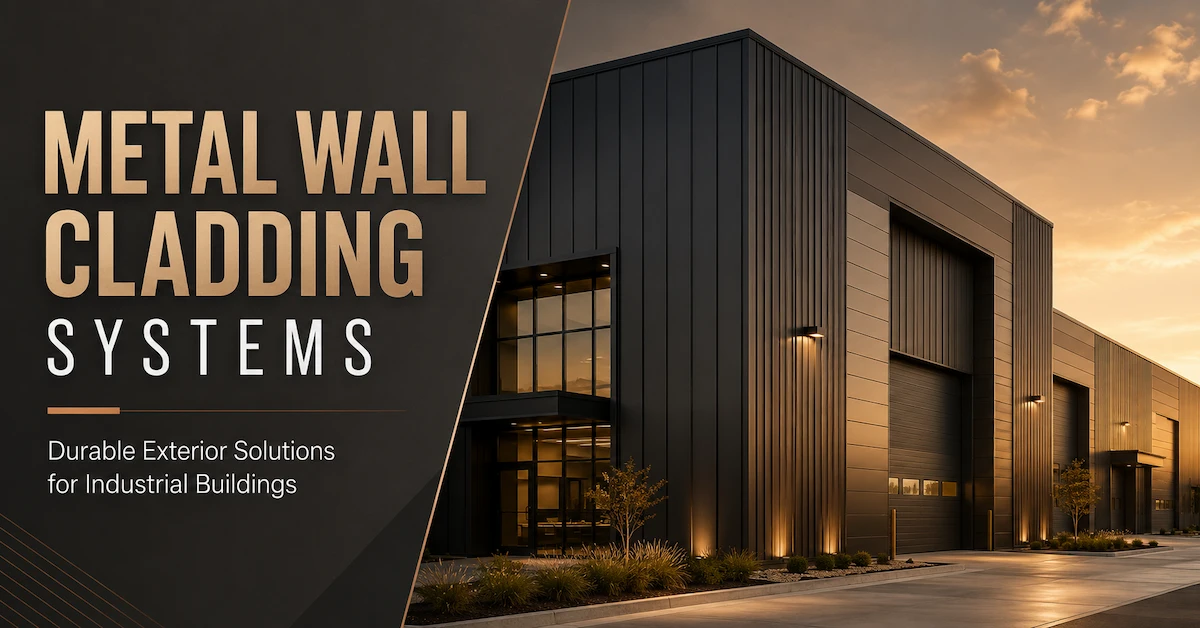
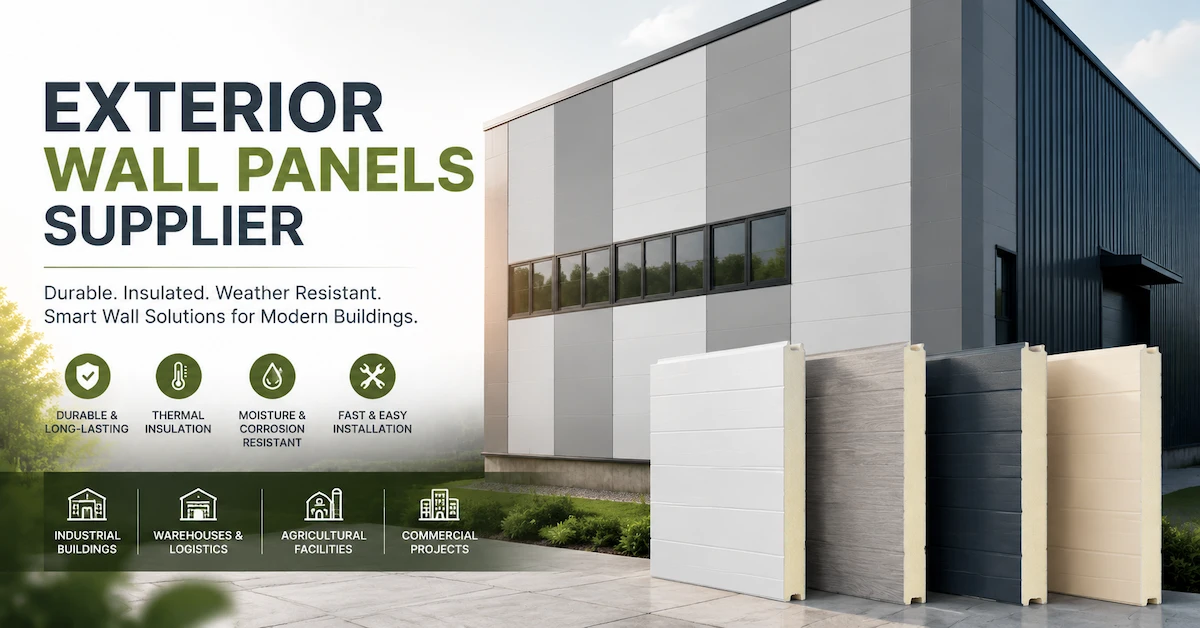
A professional industrial building materials manufacturer approaches this differently. At HONCH, industrial buildings are supported by coordinated roofing panels, wall systems, insulation structures, and corrosion-resistant materials designed for actual working conditions—not just construction drawings.
The goal is not only to complete the project, but to maintain building stability over years of use.
Operational Conditions Shape Material Performance
Factories and industrial facilities create environmental pressure every day.
Typical conditions include:
- equipment vibration affecting structural joints
- internal heat cycles creating thermal expansion
- humidity and cleaning processes increasing corrosion risk
- logistics movement adding repeated impact stress
According to studies from NACE International, corrosion and structural fatigue are among the primary causes of premature maintenance in industrial facilities.
An experienced industrial building materials manufacturer evaluates these conditions during the material planning stage.
HONCH systems are selected based on how the building will operate—not only how it will be built.
Roofing Systems for Long-Term Load Stability
Roofing systems in industrial buildings must handle more than weather protection.
They also manage:
- structural load distribution
- thermal expansion control
- sealing continuity across large spans
Poor roofing coordination often leads to:
- leakage at connection points
- stress concentration near fasteners
- early maintenance around joints
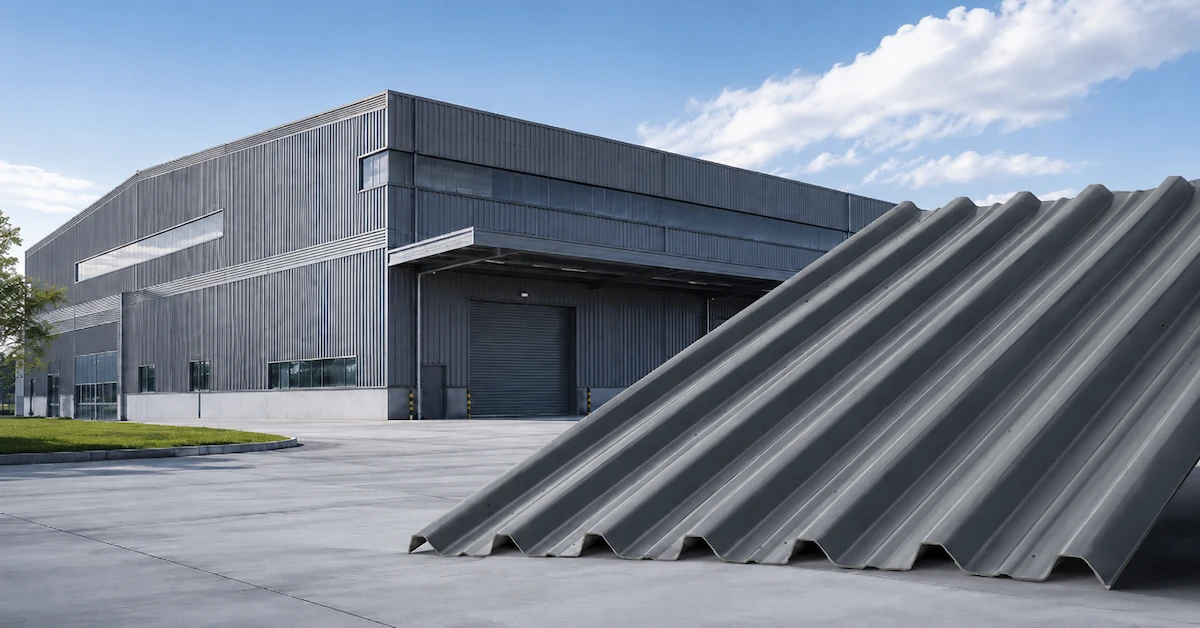
HONCH roofing systems use:
- reinforced panel profiles
- corrosion-resistant surfaces
- controlled joint alignment across long-span structures
This improves long-term performance and reduces unexpected maintenance.
Wall Systems and Internal Environmental Control
Industrial wall systems affect both structural stability and internal working conditions.
Wall materials influence:
- temperature control
- moisture resistance
- cleaning efficiency
- impact durability in active production areas
| Wall System Type | Moisture Resistance | Structural Stability | Maintenance Frequency |
|---|---|---|---|
| Standard metal panels | Medium | Moderate | High |
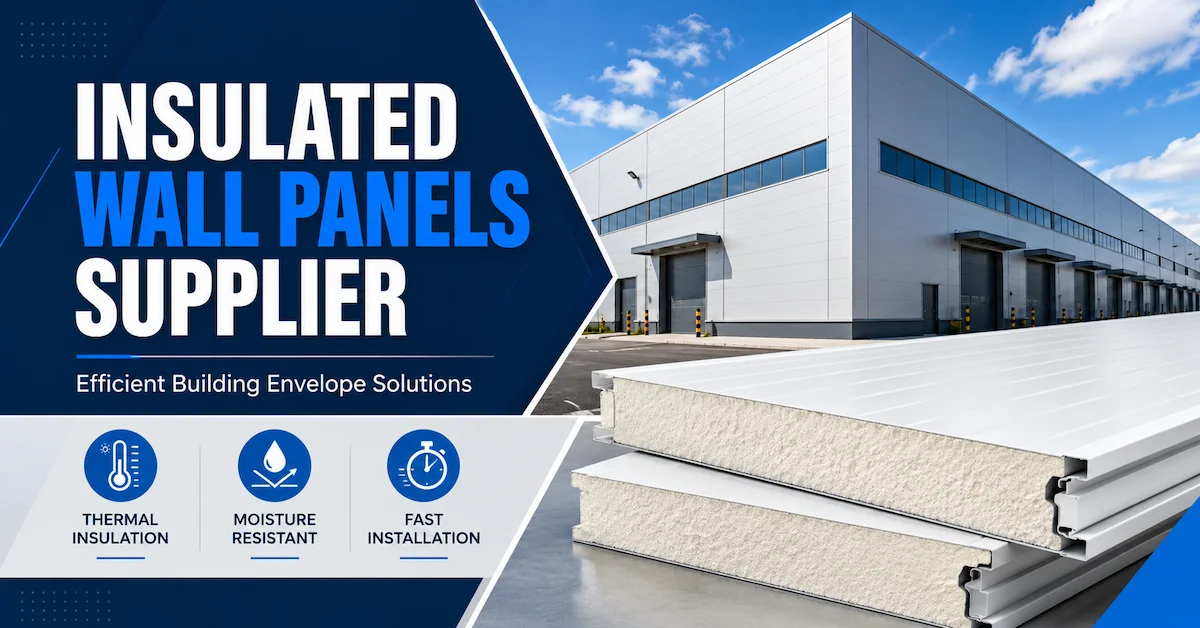
| Insulated wall panels | High | Strong | Medium |
| Composite industrial wall systems | Very High | Strong | Low |
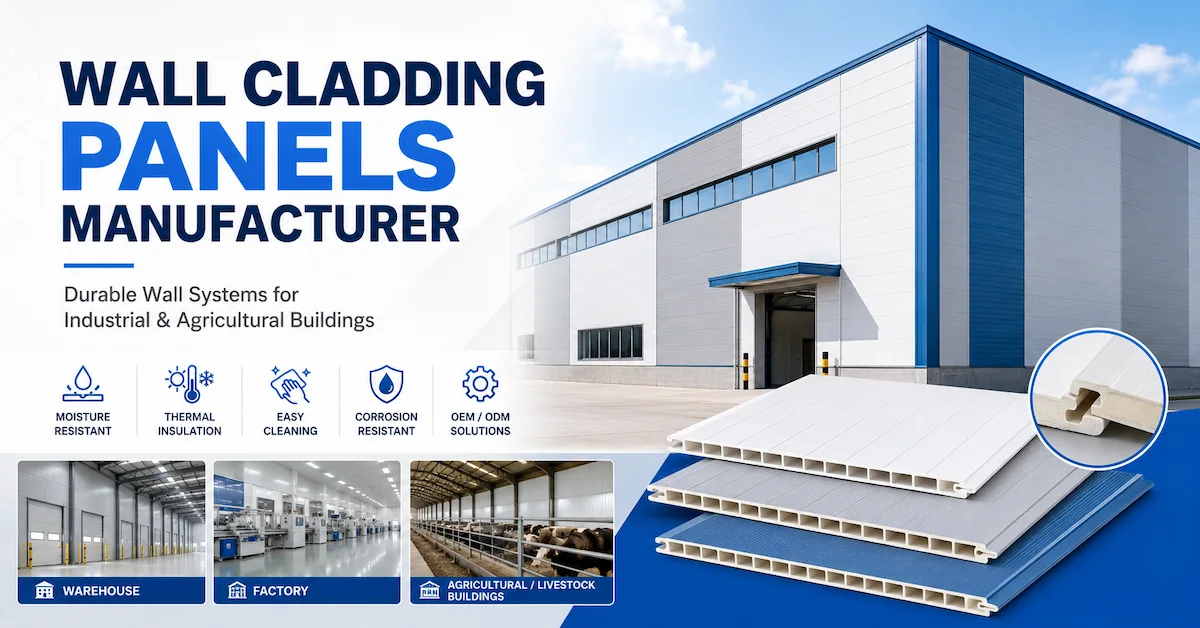
As an industrial building materials manufacturer, HONCH matches wall systems to production environments rather than using generic materials across all projects.
Real Project Scenario: Manufacturing Plant Expansion
In a factory expansion project, the client faced repeated maintenance issues in the original production building.
The main problems included:
- roof leakage near expansion joints
- wall corrosion caused by humidity
- increasing repair interruptions during operation
For the new building phase, HONCH provided:
- industrial-grade roofing panels with reinforced joint systems
- insulated wall panels with corrosion-resistant surfaces
- integrated ceiling materials designed for temperature control
After operation began, maintenance frequency during the first production cycle was significantly lower compared with the original structure.
This shows how an industrial building materials manufacturer directly influences operational continuity.
Installation Consistency and Construction Efficiency
Even high-performance materials can underperform if installation lacks consistency.
Frequent problems include:
- dimensional variation across panel batches
- on-site modification during assembly
- uneven sealing performance
HONCH uses prefabricated production systems to maintain:
- consistent dimensions
- stable joint compatibility
- reduced on-site correction requirements
In multiple industrial projects, this has improved installation efficiency by approximately 20–30%, while reducing early-stage maintenance risks.
Lifecycle Cost Is Built into Material Selection
Many procurement decisions focus on initial purchase price.
But industrial buildings generate costs over years:
- repair labor
- production downtime
- maintenance interruptions
- replacement cycles
Lower-cost materials often create higher lifecycle costs.
By contrast, coordinated systems from a professional industrial building materials manufacturer can reduce:
- maintenance interventions by 25–40%
- replacement frequency over the building lifespan
This shifts project value from short-term savings to long-term operational stability.
Common Buyer Questions
Q: Can material systems really reduce industrial maintenance costs?
A: Yes. Durability, corrosion resistance, and system compatibility directly affect maintenance frequency.
Q: Is it better to source roofing and wall systems together?
A: In most cases, yes. Integrated systems improve compatibility and installation efficiency.
Q: When should an industrial building materials manufacturer be involved?
A: During early project design and procurement planning.
Material Systems That Support Continuous Industrial Operation
Industrial buildings are expected to operate without interruption. Material systems must support that expectation.
A professional industrial building materials manufacturer provides more than panels—it provides coordinated systems designed for structural stability, environmental resistance, and long-term efficiency.
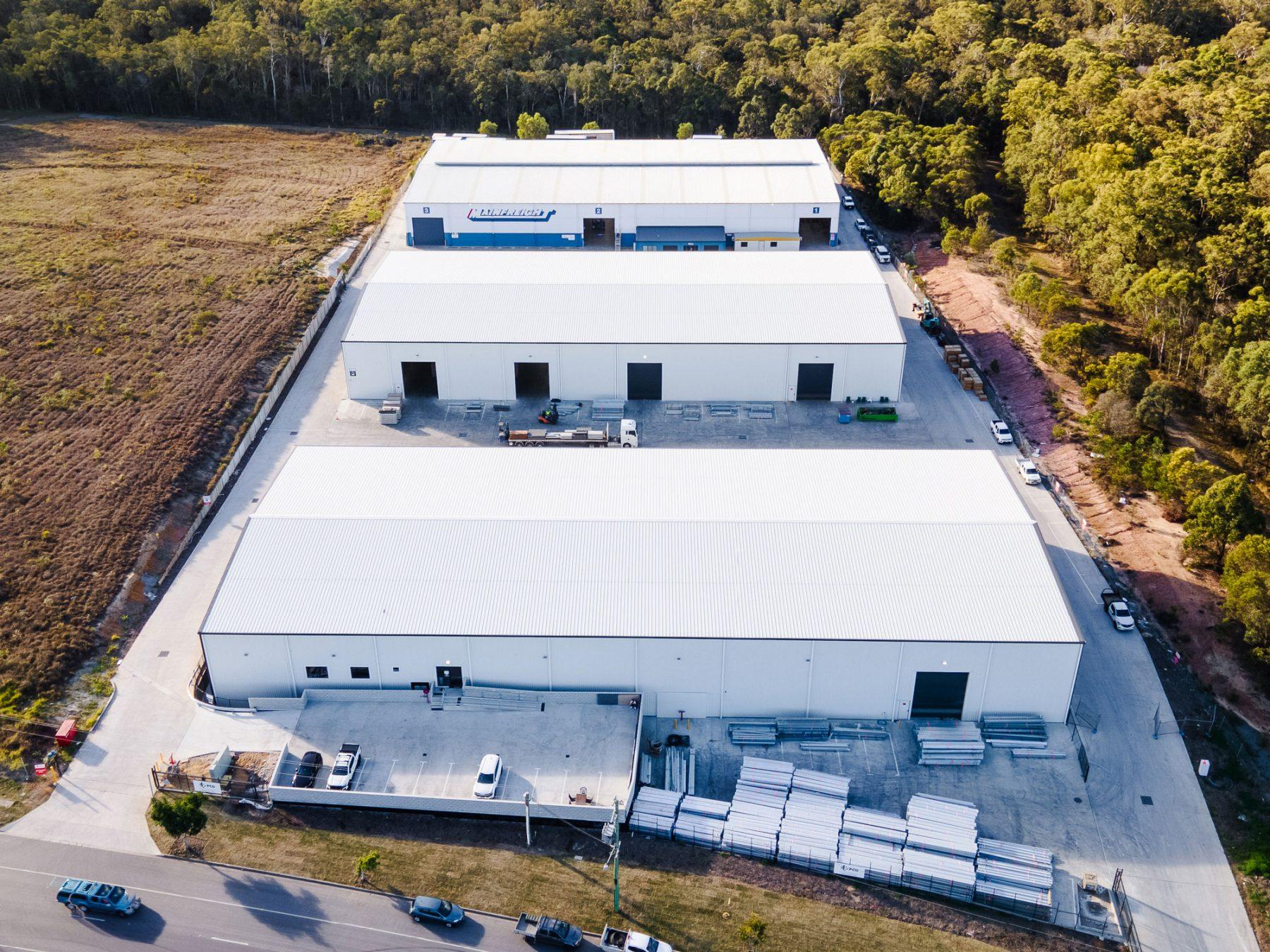
HONCH supplies industrial building materials for factories, warehouses, and heavy-duty facilities, combining roofing systems, wall panels, insulation structures, and project-based material planning.
To explore industrial material solutions and real project applications, visit:
https://www.honchroof.com/
For project consultation and customized building systems, contact:
https://www.honchroof.com/contact-us