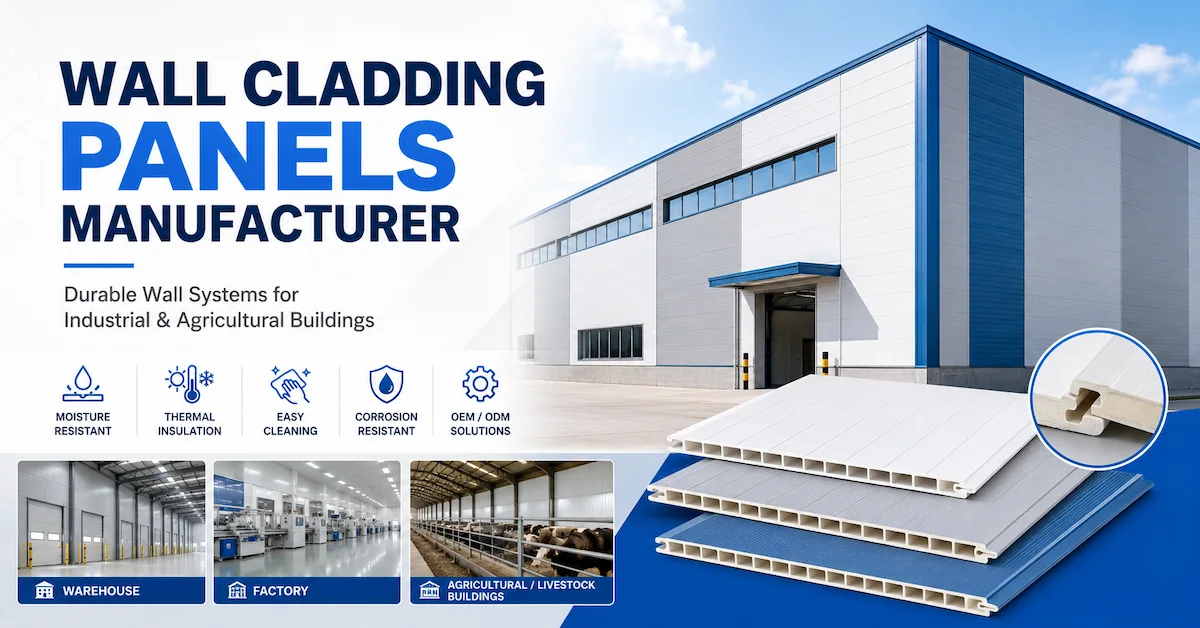
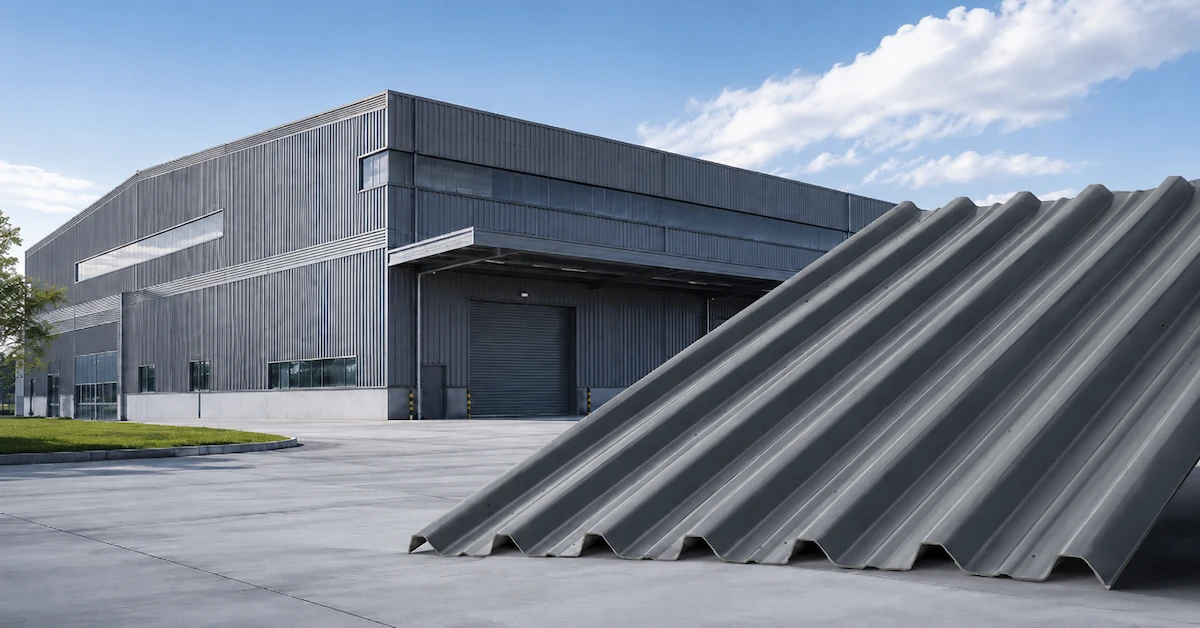
Choosing the right roofing systems for industrial buildings is not only about covering a factory or warehouse. A complete industrial roofing system must handle rain, sunlight, wind, humidity, corrosion, heat transfer, roof movement, drainage, and long-term maintenance. For factories, warehouses, chemical plants, workshops, agricultural processing buildings, and logistics centers, roofing material quality directly affects building safety, operating cost, and project reliability.
Many buyers start by comparing roof panel prices. However, an industrial roof is not just a sheet. It is a system that includes roof panels, ridge caps, flashing, fasteners, side trims, corner deflectors, insulation layers, ceiling panels, wall panels, and installation details. If one part of the system is weak, the roof may leak, corrode, loosen, or require frequent repair.
HONCH Technology supplies roofing, wall, ceiling, and accessory systems for demanding building environments. Its product range includes UPVC/APVC roofing sheets, PVC ceiling panels, PU insulation panels, wall panels, hip ridge caps, and inside corner deflectors. For project buyers and distributors, HONCH supports product matching, OEM/ODM customization, and industrial roofing material supply.
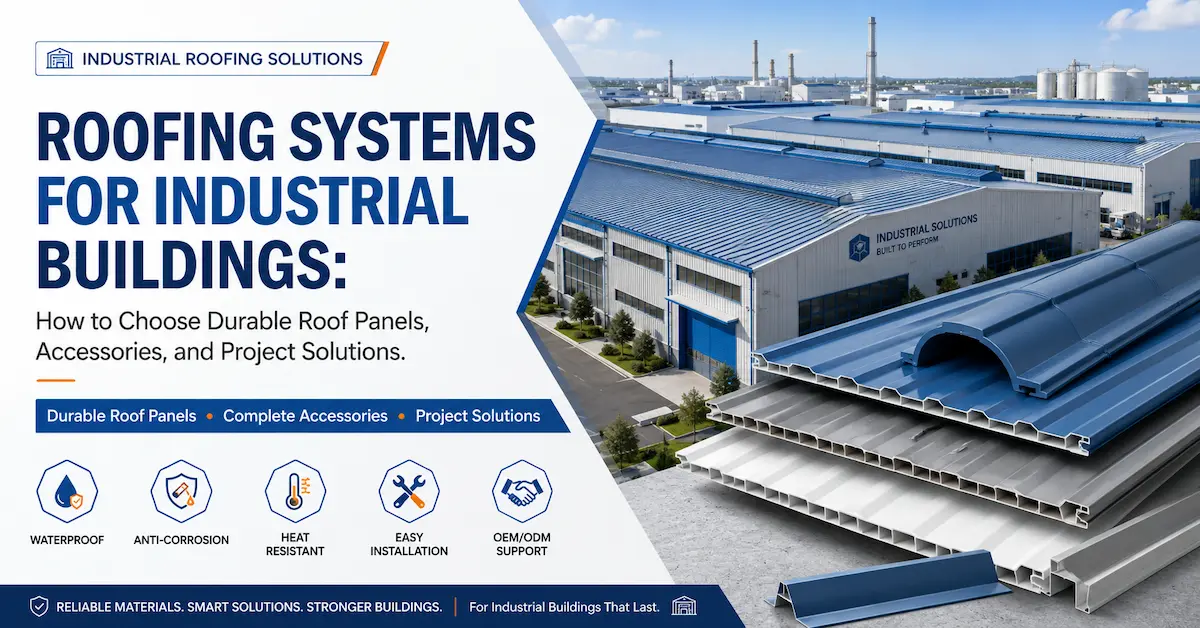
What Makes Industrial Roofing Systems Different?
Industrial buildings usually have larger roof areas, higher exposure, and more demanding operating conditions than ordinary residential buildings. A warehouse roof may need to protect stored goods. A factory roof may face heat, dust, steam, or chemical gas. A livestock-related industrial facility may face moisture and ammonia. A coastal warehouse may face salt air and high humidity.
This means roofing systems for industrial buildings must consider more than appearance. Buyers should evaluate:
- Waterproof performance
- Anti-corrosion resistance
- Heat and UV resistance
- Panel strength and rigidity
- Effective coverage width
- Roof slope and drainage
- Fastener sealing
- Ridge and edge protection
- Maintenance requirements
- Installation efficiency
- Accessory compatibility
A reliable industrial roofing system should be selected according to the project environment, not only by material name or price.
Who Needs Industrial Roofing Systems?
Industrial roofing systems are suitable for buyers who need durable, scalable, and low-maintenance roofing solutions.
Typical buyers include:
- Factory owners planning new workshops or roof replacement
- Warehouse developers and logistics building contractors
- Chemical plant and industrial facility project buyers
- Roofing material distributors expanding industrial product lines
- Agricultural processing building contractors
- Livestock building project developers
- Building material importers sourcing bulk roof panels
- OEM/ODM roofing brands needing custom specifications
- Construction companies working on light steel structures
These buyers usually care about long-term cost, leakage prevention, corrosion resistance, installation speed, product consistency, and supplier reliability.
Main Roofing Material Options for Industrial Buildings
Different industrial buildings require different roof materials. A good supplier should explain material differences clearly and recommend products based on the actual project.
| Material Type | Main Feature | Suitable Applications |
|---|---|---|
| UPVC Roofing Sheet | Lightweight, waterproof, corrosion resistant | Warehouses, farms, workshops, light industrial buildings |
| APVC Roofing Panel | Enhanced performance for harsher environments | Chemical plants, factories, livestock buildings |
| ASA Surface Layer Roofing | Strong UV and weather resistance | Outdoor roofs exposed to sunlight |
| PVC Corrugated Panel | Economical and easy to install | Agricultural buildings, sheds, light roofs |
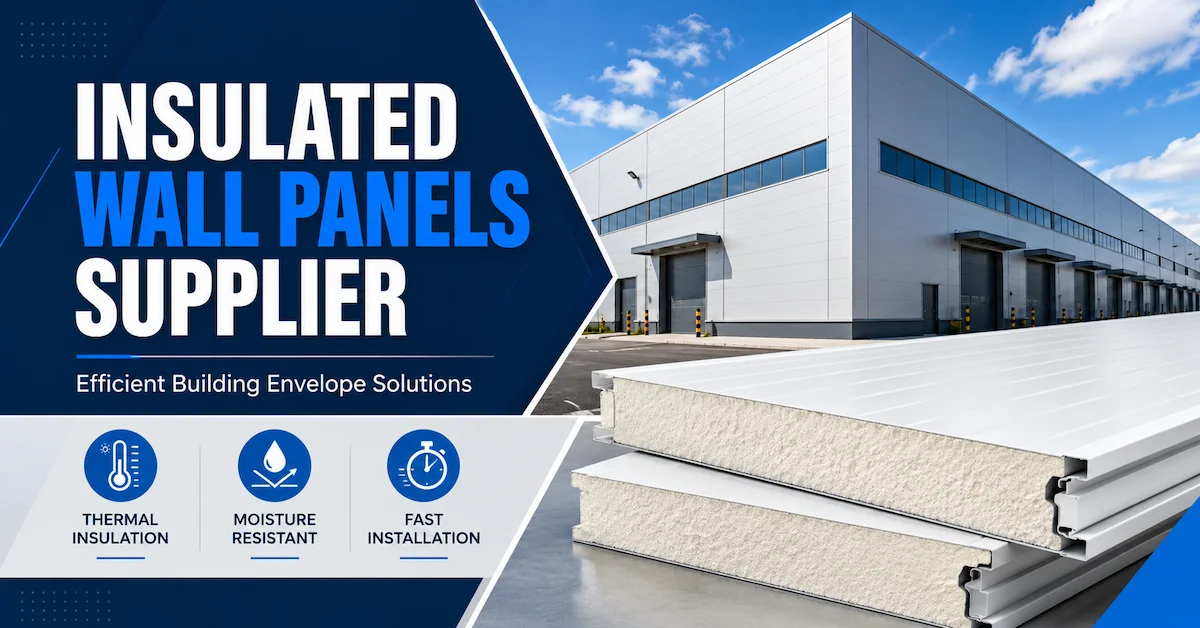
| PU Insulation Panel | Thermal insulation and moisture protection | Ceilings, walls, insulated industrial buildings |
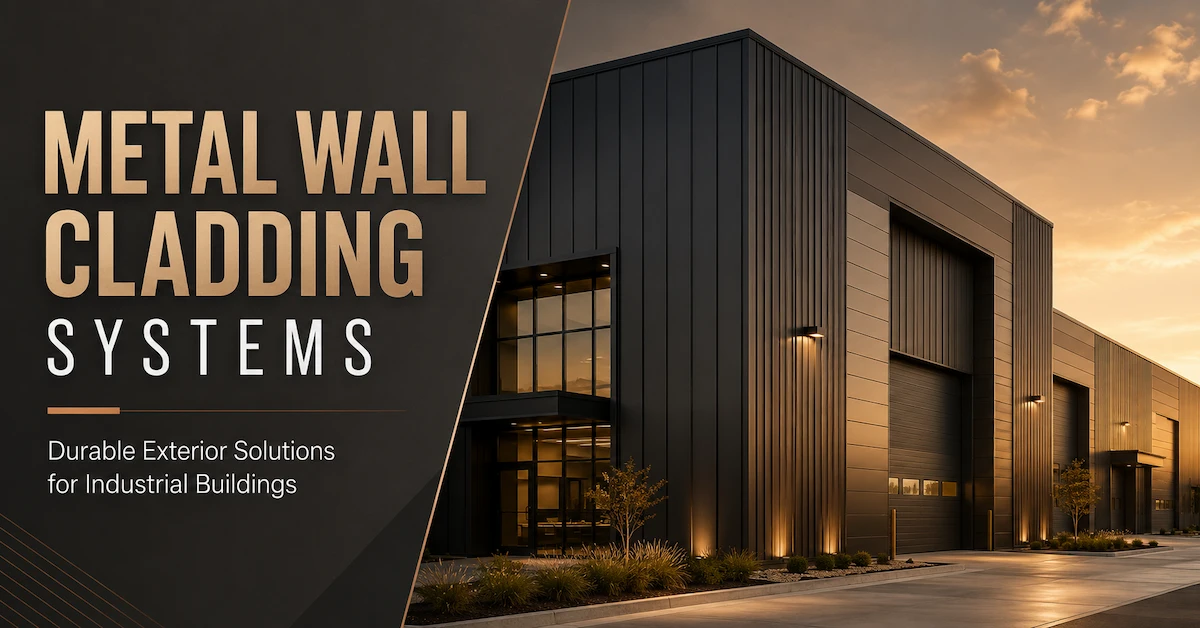
| Metal Roofing Sheet | Structural strength and broad use | Standard workshops and warehouses with low corrosion exposure |
| FRP Transparent Panel | Light transmission | Skylight sections, greenhouses, daylighting areas |
For corrosive or humid industrial environments, UPVC/APVC roofing panels can be a practical alternative to ordinary metal roof sheets.
Application Scenario 1: Factory Buildings
Factories often require roofing systems that can handle large spans, mechanical activity, production heat, dust, and long-term outdoor exposure. In some industries, the roof may also face vapor, oil mist, or chemical exhaust.
For factory buildings, buyers should compare:
- Roof panel thickness
- Corrosion resistance
- Waterproof overlap design
- UV resistance
- Accessory matching
- Maintenance access
- Roof slope
- Installation speed
UPVC/APVC roof panels can be suitable for industrial factories where humidity, corrosion, or chemical exposure may reduce the lifespan of ordinary metal roofing.
Application Scenario 2: Warehouses and Logistics Centers
Warehouses need roofing systems that protect goods, packaging, machinery, and inventory. Even small roof leaks can cause product damage or customer claims. Large warehouse roofs also require efficient installation and stable panel quality.
For warehouse projects, buyers should focus on:
- Effective coverage width
- Custom panel length
- Ridge cap sealing
- Fastener compatibility
- Waterproofing at overlaps
- Wind and rain exposure
- Heat transfer
- Long-term maintenance cost
HONCH’s UPVC/APVC roofing sheets, ridge caps, and inside corner accessories can help buyers build a more complete roofing system for warehouse applications.
Application Scenario 3: Chemical Plants and Corrosive Environments
Chemical plants, paper mills, fertilizer facilities, metal processing workshops, and similar industrial buildings may expose roofing materials to acid vapor, alkali gas, chemical mist, humidity, and industrial exhaust.
In these environments, ordinary metal roofing may face coating damage, rust, leakage, or fastener corrosion. For this reason, many project buyers compare metal roofing with UPVC/APVC anti-corrosion roof panels.
Industrial roofing systems in corrosive environments should include:
- Corrosion-resistant roof panels
- Compatible ridge caps
- Proper flashing and corner treatment
- Sealing washers and fasteners
- Roof slope and drainage design
- Maintenance-friendly installation
A strong supplier should ask about the application environment before recommending materials.
Application Scenario 4: Agricultural and Livestock Industrial Buildings
Some industrial buildings are connected with agriculture, livestock, or food processing. Poultry houses, pig farms, cattle barns, feed processing buildings, and agricultural storage facilities often involve moisture, ammonia, cleaning water, and temperature changes.
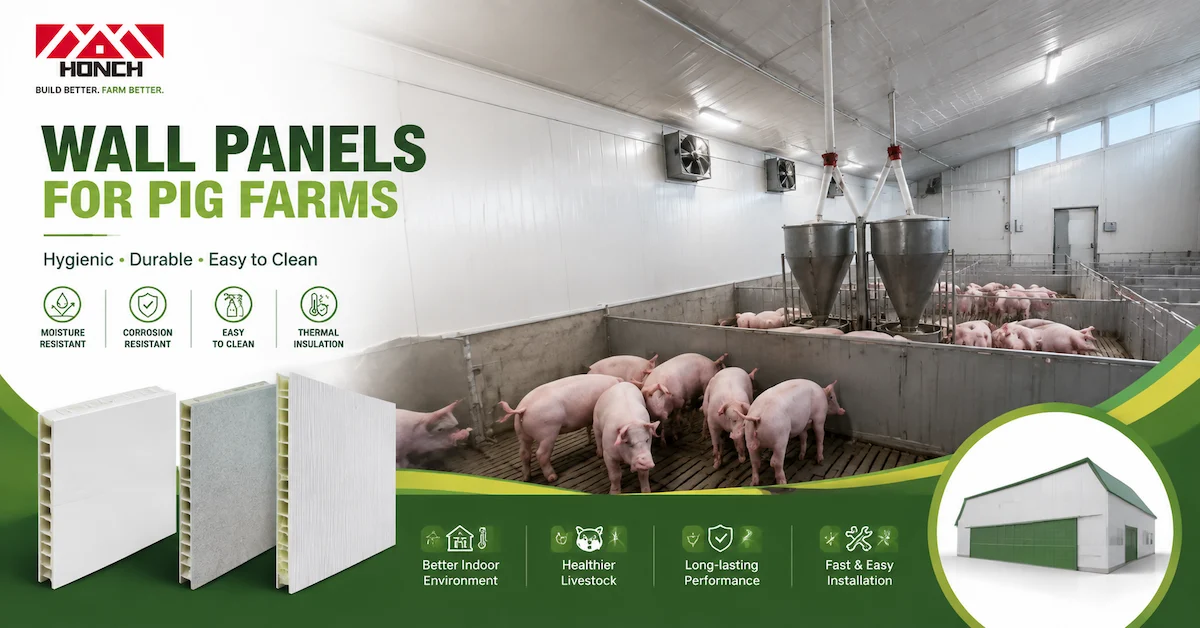
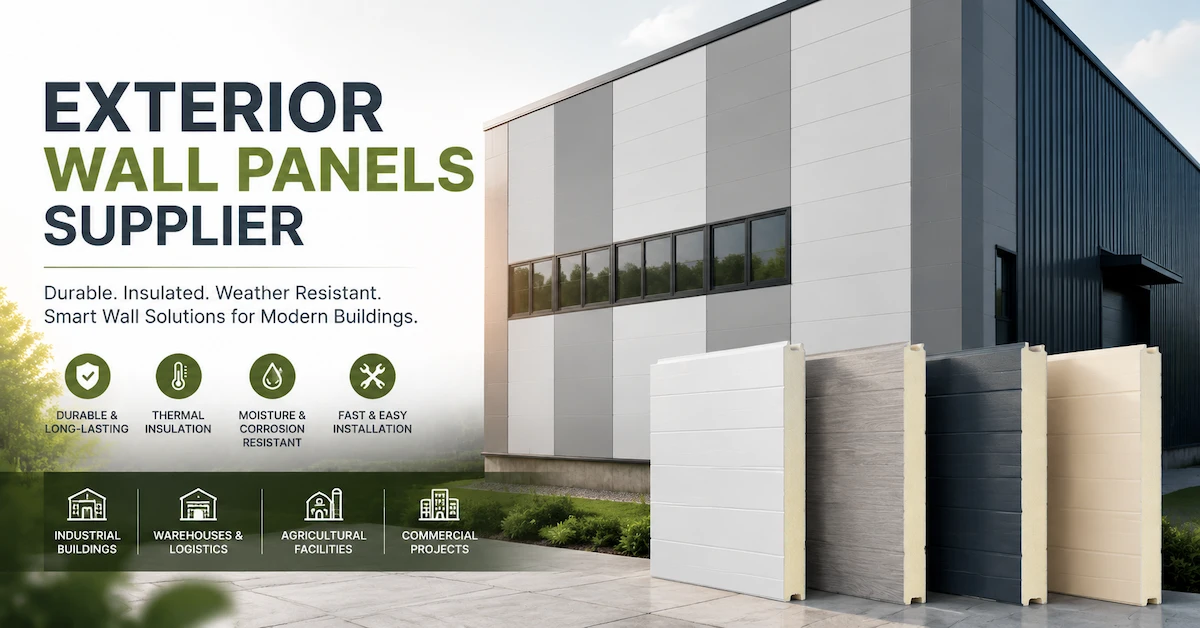
For these projects, roofing systems should combine waterproofing, anti-corrosion performance, and thermal comfort. UPVC/APVC roof panels can be used together with PVC ceiling panels, PU insulation panels, and wall panels to create a more practical building envelope.
Key Specifications Buyers Should Confirm
Before ordering roofing systems for industrial buildings, buyers should request detailed specifications. This helps compare quotations correctly and avoid project mistakes.
| Item | What Buyers Should Confirm |
| Material | UPVC, APVC, PVC, ASA layer, PU panel, metal, or FRP |
| Thickness | Based on roof span, wind load, climate, and application |
| Full Width | Total panel width before overlap |
| Effective Width | Actual coverage width after overlap |
| Length | Standard length or custom project length |
| Profile | Corrugated, trapezoidal, wave, or project-specific profile |
| Surface | Smooth, textured, UV-resistant, or weather-resistant finish |
| Color | White, grey, blue, brick red, or custom color |
| Waterproof Design | Overlap, ridge sealing, fastener sealing, drainage |
| Corrosion Resistance | Humidity, ammonia, salt air, acid gas, or chemical exposure |
| Accessories | Ridge cap, flashing, corner deflector, side trim, fasteners |
| Packaging | Export bundle packing or private label packaging |
| Certification | ISO9001, CE, or project-required documents |
A professional supplier should help buyers match these specifications with real building conditions.
A Complete Roof System Is More Than Roof Panels
One of the biggest mistakes in industrial roofing procurement is buying panels without considering accessories. A roof may fail at ridge lines, edges, corners, screw points, or wall-to-roof transitions—not necessarily in the middle of the panel.
A complete industrial roofing system may include:
- Main roof panels
- Hip ridge caps
- Side trims
- Edge flashing
- Inside corner deflectors
- Fasteners and washers
- Skylight or FRP transparent sections
- Ceiling panels
- Wall panels
- Insulation panels
HONCH supplies roofing accessories such as hip ridge caps and inside corner deflectors to support system matching. For project buyers, this helps reduce sourcing complexity and improve installation consistency.
Industrial Roofing Systems vs Ordinary Roof Sheets
| Comparison Item | Industrial Roofing System | Ordinary Roof Sheets |
| Scope | Panels, accessories, sealing, insulation, installation details | Usually only roof sheets |
| Waterproofing | Designed around overlap, ridge, edge, and fastener details | Often depends heavily on installer experience |
| Corrosion Resistance | Material selected based on environment | May not match harsh conditions |
| Maintenance | Lower risk when system is matched correctly | Higher risk if accessories are mismatched |
| Project Fit | Factories, warehouses, chemical plants, farms | Standard buildings with lower exposure |
| Long-Term Value | Better for demanding B2B projects | Lower initial cost but higher potential risk |
For industrial buildings, buyers should think in terms of system performance rather than only product price.
UPVC/APVC Roofing Systems vs Metal Roofing Systems
| Comparison Item | UPVC/APVC Roofing Systems | Metal Roofing Systems |
| Corrosion Resistance | Strong in humid, ammonia, and chemical environments | Depends on coating and surface treatment |
| Heat Transfer | Lower than many metal sheets | Higher thermal conductivity |
| Rain Noise | Better noise reduction in many applications | Often louder during rain |
| Weight | Lightweight and easy to handle | Varies by metal type |
| Maintenance | No rust-related coating repair in many applications | May require rust prevention and coating maintenance |
| Best For | Farms, warehouses, chemical plants, humid regions | Standard workshops and dry industrial buildings |
Metal roofing can be suitable for many projects. However, for humid, corrosive, or chemical environments, UPVC/APVC roofing systems may provide better long-term value.
How to Choose a Reliable Industrial Roofing Supplier
A reliable supplier should not only sell roof panels. They should understand industrial building conditions and help buyers reduce project risk.
Supplier Checklist
- Does the supplier understand factory, warehouse, and industrial applications?
- Can they explain material differences clearly?
- Are full width, effective width, thickness, length, and profile listed?
- Can they recommend materials based on heat, rain, humidity, UV, and corrosion?
- Are matching accessories available?
- Does the supplier support OEM/ODM customization?
- Can the supplier provide export packaging and bulk shipment support?
- Are quality documents or certifications available?
- Can they support project-based product matching?
- Is communication clear during quotation and specification confirmation?
HONCH Technology was founded in 2008 and focuses on roofing, wall, ceiling, and accessory systems for farms, factories, warehouses, and project buildings. Buyers can learn more through the About Us page and review product options through the Products page.
Quality Control for Industrial Roofing Projects
Industrial roofing projects often involve large order quantities and strict installation schedules. Product consistency is important because small differences in profile, thickness, or accessory fit can create installation problems.
Buyers should pay attention to:
- Material consistency
- Thickness tolerance
- Profile accuracy
- Surface quality
- Color stability
- UV resistance
- Impact resistance
- Accessory matching
- Packaging protection
- Batch consistency
For overseas buyers, export packaging also matters. Damaged panel edges or poor bundling may affect installation efficiency and project cost.
OEM/ODM Roofing Systems for Industrial Buildings
Many importers, distributors, and project contractors need customized industrial roofing products for their local markets.
OEM/ODM options may include:
- Custom panel thickness
- Custom length
- Custom color
- Corrugated or trapezoidal profile
- Surface texture
- UV-resistant surface design
- Packaging design
- Private label support
- Accessory matching
- Project-specific roof, wall, and ceiling combinations
For example, a warehouse project may need long panels to reduce overlap. A chemical plant may need stronger anti-corrosion roofing materials. A livestock industrial building may need roof panels, ceiling panels, wall panels, ridge caps, and corner accessories in one order.
A capable supplier should support both standard product supply and project-specific customization.
Cost Factors Buyers Should Understand
The cost of roofing systems for industrial buildings depends on more than roof panel price.
Main cost factors include:
- Material type
- Panel thickness
- Effective coverage width
- Custom length
- Surface layer
- Color requirement
- Accessory quantity
- Packaging standard
- Order volume
- Shipping destination
- Installation complexity
- Expected service environment
- Maintenance risk
For B2B buyers, the lowest price may not be the best long-term option. If the roofing system leaks, corrodes, or requires frequent maintenance, total project cost will increase. A better decision should compare price with lifecycle value, installation efficiency, and supplier support.
Why Choose HONCH for Industrial Roofing Systems?
HONCH supplies roofing materials for livestock, industrial, civilian, and engineering applications. Its product system includes UPVC/APVC roofing sheets, PVC ceiling panels, PU insulation panels, wall panels, hip ridge caps, and inside corner accessories.
For international buyers, HONCH offers:
- Roofing material production experience since 2008
- UPVC/APVC roofing systems for demanding environments
- Waterproof, heat resistant, and anti-corrosion material options
- Ceiling, wall, and roofing accessory matching
- OEM/ODM support for thickness, color, length, profile, and packaging
- Export-oriented service for overseas buyers
- Project-based product matching for factories, warehouses, and industrial buildings
Buyers can also review real project applications through HONCH’s Engineering Case page or contact the team through the Contact Us page for specifications, samples, and quotations.
FAQ
1. What are roofing systems for industrial buildings?
Roofing systems for industrial buildings include roof panels, ridge caps, flashing, fasteners, corner accessories, insulation, ceiling panels, and installation details designed for factories, warehouses, workshops, and industrial facilities.
2. What roofing materials are suitable for industrial buildings?
Common options include UPVC roofing sheets, APVC roof panels, PVC corrugated panels, ASA surface-layer sheets, PU insulation panels, metal sheets, and FRP transparent panels.
3. Are UPVC/APVC roofing panels suitable for factories?
Yes. UPVC/APVC roofing panels are suitable for factories, warehouses, chemical plants, and industrial buildings, especially where humidity, corrosion, or heat resistance is important.
Conclusion
Choosing the right roofing systems for industrial buildings helps buyers improve waterproofing, corrosion resistance, heat performance, installation efficiency, and long-term maintenance control. For factories, warehouses, workshops, chemical plants, agricultural buildings, and logistics centers, the roofing system should be selected based on real project conditions—not only unit price.
HONCH Technology supplies UPVC/APVC roofing panels, ceiling panels, wall panels, and roofing accessories for demanding industrial environments. If you need industrial roofing systems for a factory, warehouse, chemical plant, or OEM/ODM roofing material supply, contact HONCH to discuss your project specifications, application environment, accessories, and bulk purchasing plan.