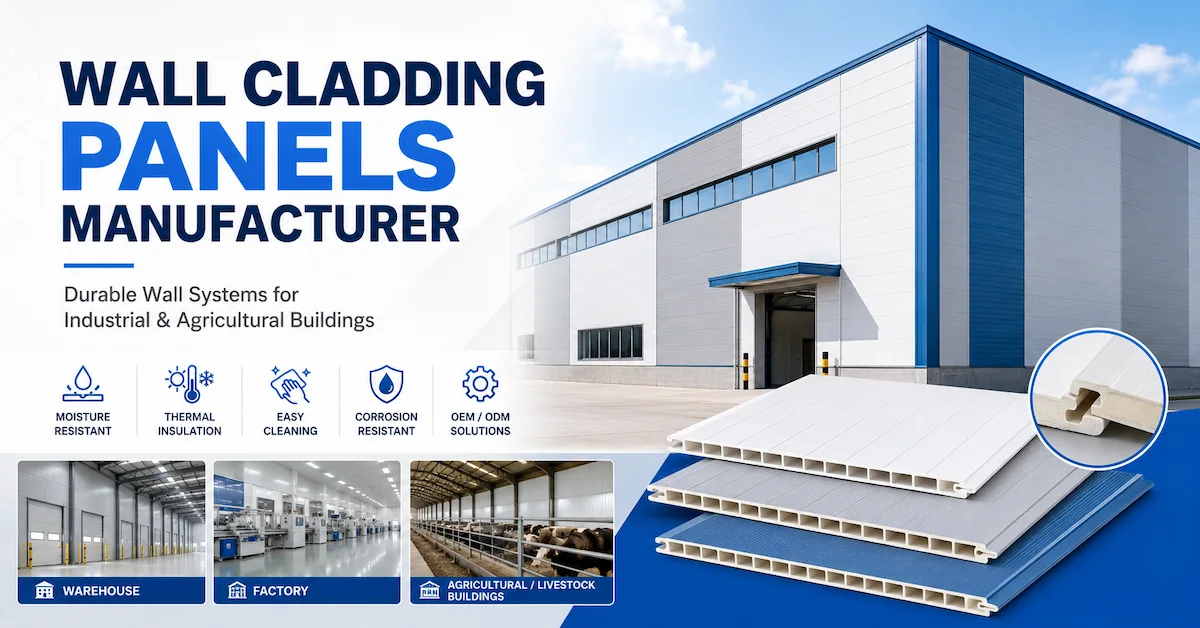
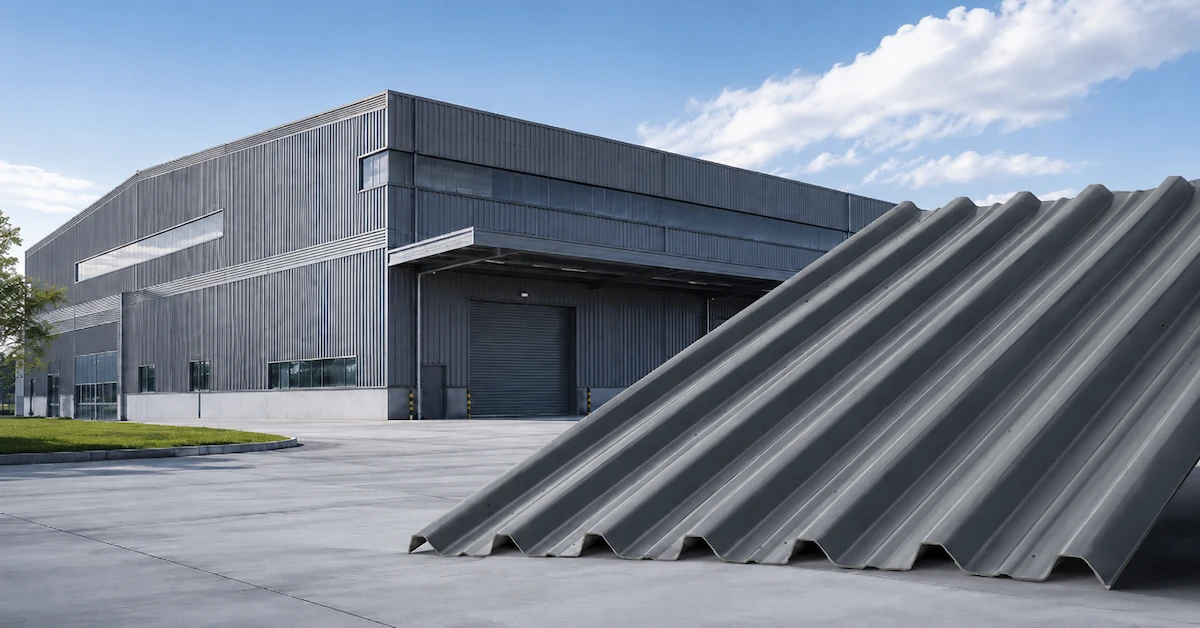
Choosing the right roofing panels for coastal buildings is important because seaside environments are much harsher than many standard inland projects. Coastal buildings often face salt air, high humidity, strong sunlight, heavy rain, wind, and temperature changes. If the roof material is not suitable, buyers may experience corrosion, leakage, surface fading, fastener failure, and rising maintenance costs.
For warehouses, factories, agricultural buildings, resorts, farm sheds, logistics centers, and light steel buildings near the coast, roofing material selection should focus on long-term durability rather than only initial price. Ordinary metal roofing may work well in many dry environments, but salt air and moisture can increase the risk of rust, coating damage, and edge corrosion.
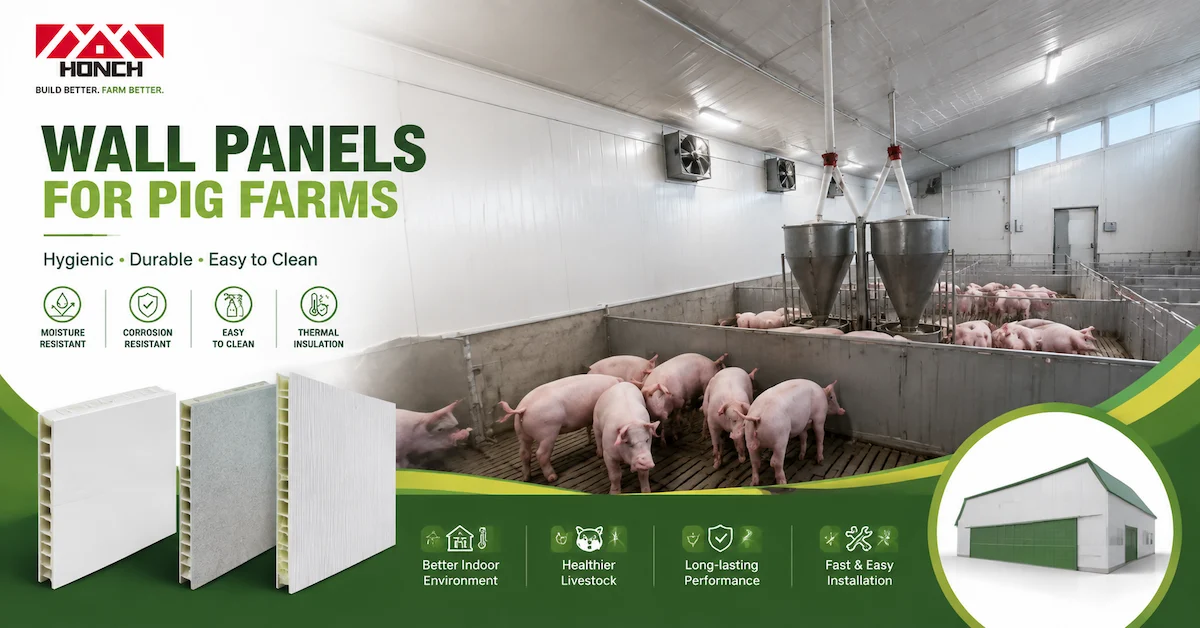
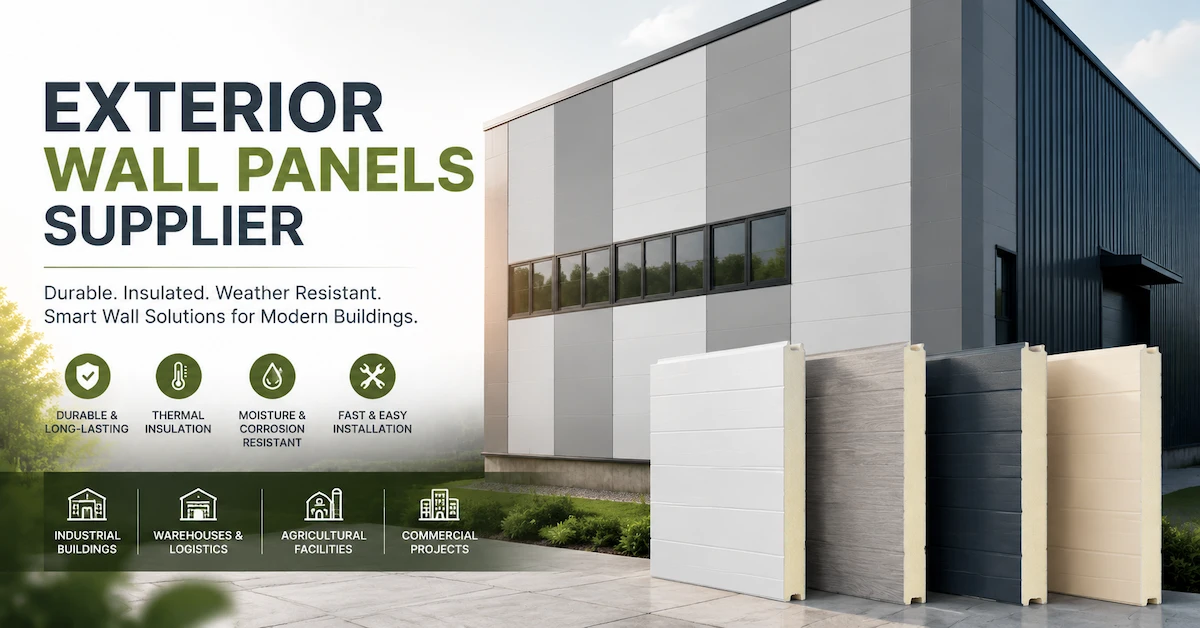
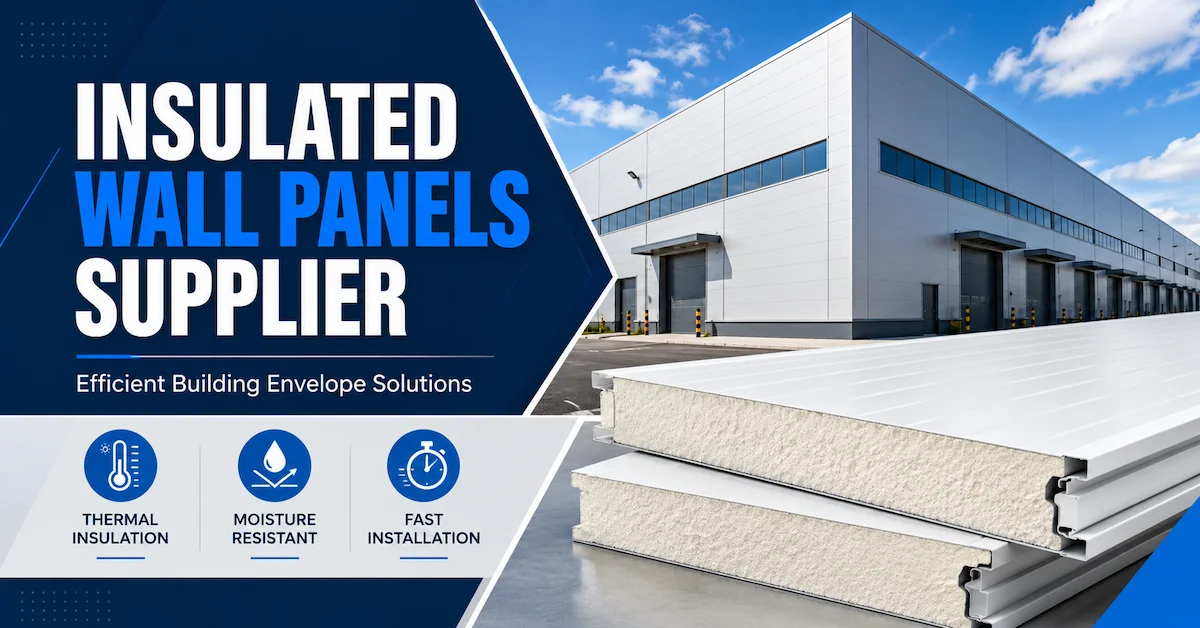
HONCH Technology supplies roofing, wall, ceiling, and accessory systems for demanding environments. Its product range includes UPVC/APVC roofing sheets, PVC ceiling panels, PU insulation panels, wall panels, hip ridge caps, and inside corner deflectors. Buyers can review available roofing materials on the Products page or learn more about the company through the About Us page.
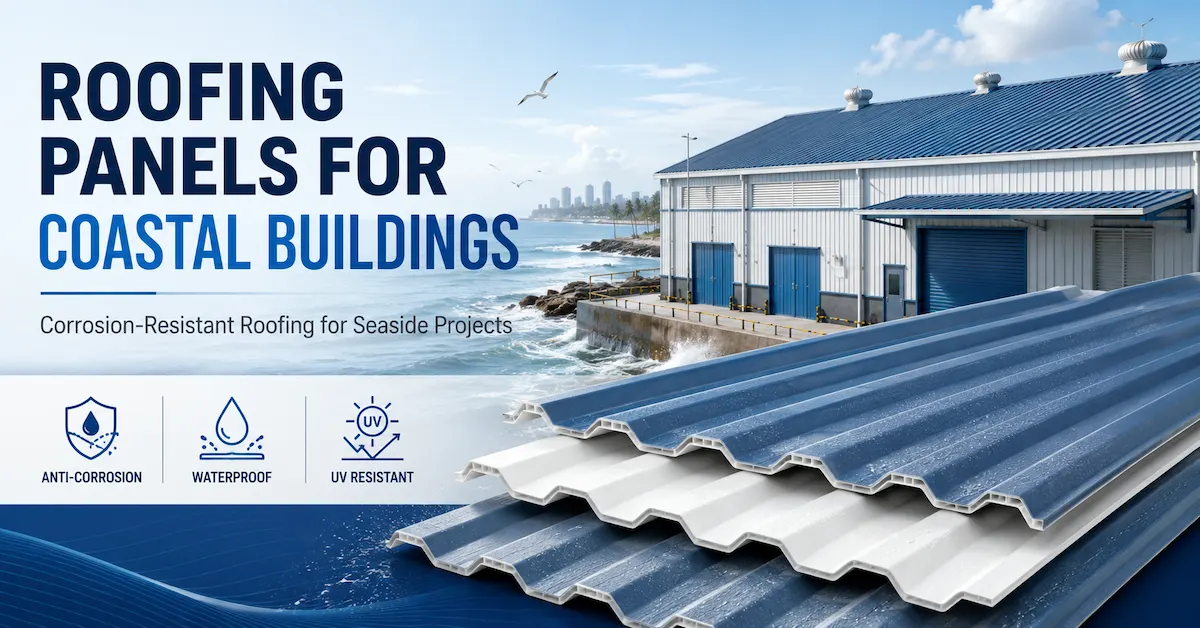
Why Coastal Buildings Need Special Roofing Panels
Coastal buildings are exposed to multiple stress factors at the same time. Salt in the air can settle on roof surfaces and fasteners. High humidity can remain on the roof for long periods. Strong UV exposure can accelerate surface aging. Wind-driven rain can test overlap joints, ridge caps, and edge flashing.
If the roofing system is not properly selected, common problems may include:
- Rust or corrosion on roof sheets
- Coating peeling or fading
- Water leakage around overlaps
- Fastener corrosion
- Higher repair frequency
- Shorter roof service life
- Poor appearance after outdoor exposure
- Increased total maintenance cost
That is why roofing panels for coastal buildings should be chosen based on corrosion resistance, waterproofing, UV stability, accessory matching, and installation quality.
Best Roofing Material Options for Coastal Environments
Different roofing materials perform differently in seaside conditions. For coastal projects, buyers should compare how each material handles salt air, moisture, sunlight, and maintenance.
| Material Type | Main Feature | Suitable Coastal Applications |
|---|---|---|
| UPVC Roofing Sheet | Corrosion resistant, waterproof, lightweight | Coastal warehouses, farms, sheds, light buildings |
| APVC Roofing Panel | Enhanced anti-corrosion and weather resistance | Industrial buildings, seaside factories, harsh coastal projects |
| ASA Surface Layer Panel | Strong UV and weather resistance | Roofs exposed to strong sunlight |
| PVC Corrugated Panel | Lightweight and easy to install | Agricultural and small coastal buildings |
| FRP Transparent Panel | Light transmission and weather protection | Greenhouses, skylight areas, daylighting roofs |
| Metal Roofing Sheet | Strong but coating-dependent | Coastal use only when coating and maintenance are well controlled |
For many seaside projects, UPVC/APVC roofing panels are practical because they do not rust like ordinary metal sheets and can reduce long-term corrosion-related maintenance.
Key Benefits of UPVC/APVC Roofing Panels for Coastal Buildings
1. Better Corrosion Resistance
Salt air is one of the biggest challenges for coastal roofing. Metal sheets may corrode faster if coating quality is unstable or if edges and fasteners are exposed. UPVC/APVC roofing panels are suitable for coastal environments because they offer strong resistance to moisture, salt air, and corrosion.
2. Waterproof Roofing Protection
Coastal areas often experience heavy rain and strong wind. A roofing system must handle both water drainage and wind-driven rain. Corrugated UPVC/APVC panels, when installed with proper overlap, ridge caps, flashing, and sealing accessories, can help reduce leakage risk.
3. UV and Weather Resistance
Coastal buildings are often exposed to strong sunlight. Roof panels should resist surface aging, fading, and brittleness. For outdoor projects, panels with good weather resistance or ASA surface protection can support better long-term performance.
4. Lightweight Installation
For large coastal warehouses, agricultural buildings, and light steel structures, lightweight panels can reduce handling difficulty and improve installation efficiency. This is especially useful for projects with large roof areas or limited installation time.
5. Lower Maintenance Cost
A suitable coastal roofing system can reduce rust repair, repainting, leakage maintenance, and early replacement. For B2B buyers, lower maintenance cost is often more important than the lowest unit price.
Application Scenarios
Coastal Warehouses
Warehouses near the coast need roofing panels that protect goods, packaging, machinery, and raw materials from leakage and humidity. UPVC/APVC roofing sheets can be used for storage buildings where corrosion resistance and low maintenance are important.
Seaside Factories and Workshops
Factories close to the sea may face salt air, production vapor, dust, and outdoor weather exposure. For these buildings, APVC roofing panels may offer a stronger anti-corrosion option than ordinary metal roof sheets.
Agricultural and Farm Buildings
Coastal agricultural buildings, livestock sheds, feed storage rooms, and farm warehouses require roofing materials that resist both humidity and corrosion. UPVC roof panels can be paired with PVC ceiling panels or PU insulation panels for better building performance.
Resorts and Light Buildings
Coastal resorts, cabins, auxiliary buildings, and decorative structures often need roofing materials that combine durability and appearance. Buyers should consider UV resistance, color stability, waterproofing, and low maintenance.
Specifications Buyers Should Confirm
Before ordering roofing panels for coastal buildings, buyers should prepare clear project details and confirm technical specifications with the supplier.
| Item | What to Confirm |
| Building Type | Warehouse, factory, farm building, resort, shed, light structure |
| Material | UPVC, APVC, PVC, ASA surface layer, FRP, or composite material |
| Thickness | Based on roof span, wind exposure, and coastal climate |
| Full Width | Total sheet width before overlap |
| Effective Width | Actual coverage width after installation |
| Length | Standard length or custom project length |
| Color | White, grey, blue, brick red, or custom color |
| Roof Profile | Corrugated, trapezoidal, wave, or project-specific profile |
| Surface | UV-resistant or weather-resistant finish |
| Accessories | Ridge cap, flashing, side trim, corner deflector, fasteners |
| Environment | Salt air, high humidity, strong sunlight, heavy rain, wind |
| Packaging | Export bundle packing or private label packaging |
A reliable supplier should ask about building location, distance from the coast, roof slope, wind exposure, and expected service environment before recommending materials.
Roofing Accessories Matter in Coastal Projects
A roof may fail at the ridge, edges, fasteners, or wall-to-roof transitions before the main panel fails. In coastal environments, accessories are especially important because wind-driven rain and salt air can test every detail.
Important accessories include:
- Hip ridge caps for roof peak protection
- Flashing for edges and wall connections
- Side trims for panel edges
- Inside corner deflectors for roof-to-wall transitions
- Fasteners and sealing washers
- Matching panels for roof, wall, and ceiling systems
HONCH supplies roofing accessories such as hip ridge caps and inside corner deflectors to support complete roof system matching. Buyers can also review project applications through the Engineering Case page.
UPVC/APVC Roofing Panels vs Metal Roofing for Coastal Buildings
| Comparison Item | UPVC/APVC Roofing Panels | Metal Roofing Sheets |
| Salt-Air Resistance | Strong resistance to moisture and corrosion | Depends heavily on coating quality |
| Rust Risk | No rust like metal sheets | Possible rust at edges, scratches, and fasteners |
| Maintenance | Lower rust-related maintenance | May need coating repair or replacement |
| Heat Transfer | Lower than many metal sheets | Higher thermal conductivity |
| Rain Noise | Better noise reduction in many applications | Often louder during rain |
| Best For | Coastal warehouses, farms, factories, humid buildings | Standard buildings with controlled corrosion exposure |
Metal roofing can still be suitable for some coastal projects if coating quality and maintenance are well managed. However, for high-humidity and salt-air environments, UPVC/APVC roofing panels often provide better long-term value.
OEM/ODM Support for Coastal Roofing Projects
Many importers, contractors, and distributors need custom roofing products for local coastal markets. HONCH supports OEM/ODM customization for project and market requirements.
Customization options may include:
- Custom panel thickness
- Custom length
- Custom color
- Corrugated or trapezoidal profile
- Surface texture
- UV-resistant surface design
- Packaging design
- Private label support
- Accessory matching
- Roof, wall, and ceiling product combinations
For example, a coastal warehouse project may need longer panels to reduce overlap. A seaside distributor may need standard colors and branded packaging. A coastal farm project may need roof panels, ceiling panels, wall panels, ridge caps, and corner accessories in one shipment.
Why Choose HONCH for Coastal Roofing Panels?
HONCH Technology focuses on roofing, wall, ceiling, and accessory systems for demanding environments. For coastal building buyers, HONCH offers:
- UPVC/APVC roofing sheets for humid and corrosive environments
- Roofing accessories for complete system matching
- PVC ceiling panels and PU insulation panels for building envelope support
- OEM/ODM customization for project and distributor needs
- Export-oriented service for international buyers
- Product matching for warehouses, factories, farms, resorts, and light buildings
Buyers can contact HONCH through the Contact Us page to discuss roof area, coastal exposure, panel thickness, color, accessories, packaging, and bulk purchasing requirements.
FAQ
1. What roofing panels are suitable for coastal buildings?
UPVC/APVC roofing panels are suitable for coastal buildings because they resist moisture, salt air, and corrosion better than many ordinary metal roof sheets.
2. Are metal roof panels good for coastal areas?
Metal roof panels can be used in coastal areas, but they depend heavily on coating quality and maintenance. Salt air may increase rust risk if the coating is damaged.
3. Why is corrosion resistance important near the coast?
Salt air and humidity can accelerate material aging, fastener corrosion, and leakage risk. Corrosion-resistant roof panels help reduce long-term maintenance.
4. Can coastal roofing panels be customized?
Yes. HONCH supports OEM/ODM customization for thickness, length, color, profile, surface, packaging, and accessory matching.
5. What accessories are needed for coastal roofs?
Common accessories include ridge caps, flashing, side trims, inside corner deflectors, fasteners, and sealing washers.
6. Are UPVC/APVC panels suitable for coastal warehouses?
Yes. UPVC/APVC panels are suitable for coastal warehouses where waterproofing, corrosion resistance, and low maintenance are important.
7. How do I request a quotation?
Prepare your building type, roof area, coastal exposure, required material, thickness, length, color, quantity, accessories, and destination port before contacting HONCH.
Conclusion
Choosing the right roofing panels for coastal buildings helps reduce corrosion risk, leakage problems, UV aging, and long-term maintenance costs. For seaside warehouses, factories, agricultural buildings, resorts, and light structures, roof panels should be selected according to salt air exposure, humidity, wind-driven rain, sunlight, and installation requirements.
HONCH supplies UPVC/APVC roofing panels, PVC ceiling panels, PU insulation panels, wall panels, and roofing accessories for demanding coastal and industrial environments. If you need corrosion-resistant roofing panels for a coastal project, contact HONCH to request specifications, samples, and a project quotation.