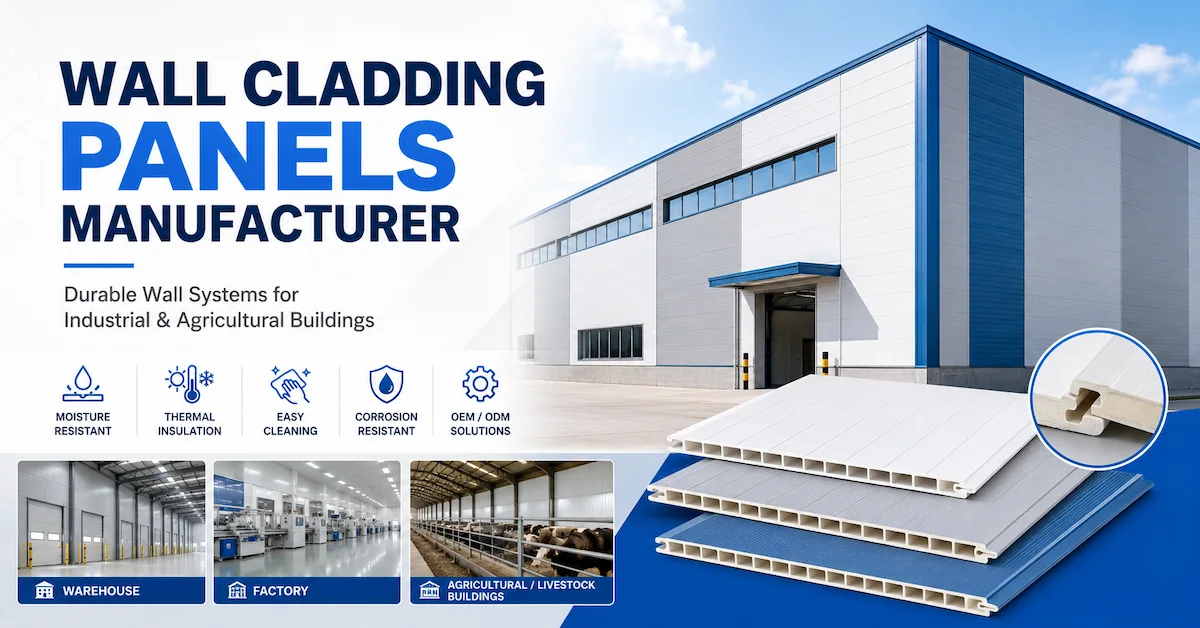
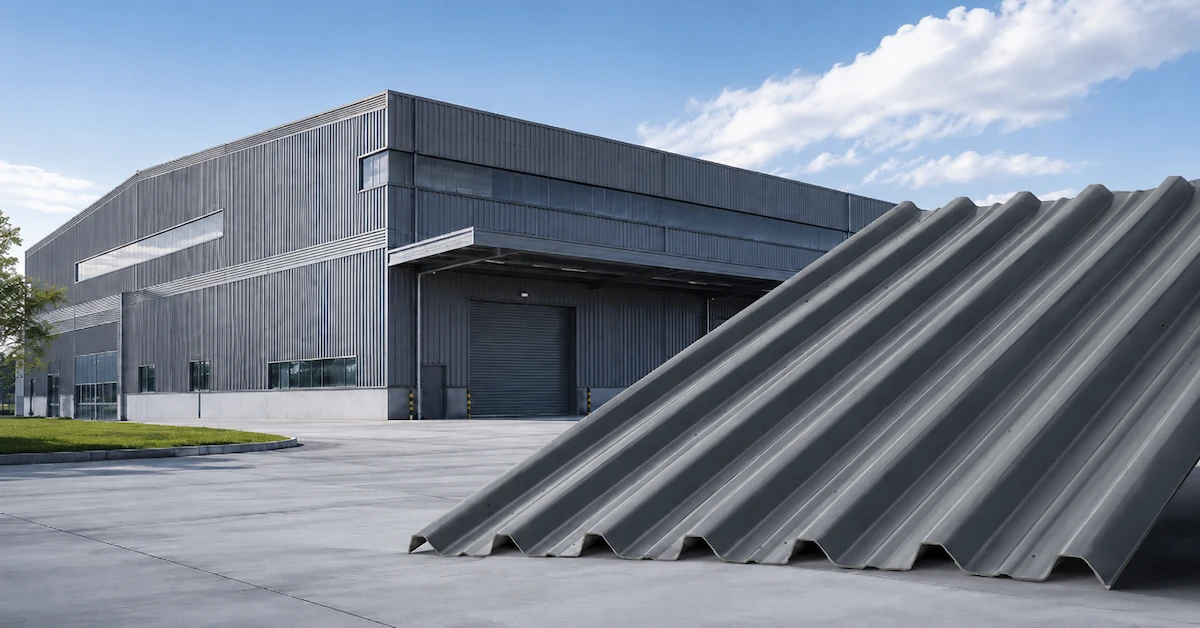
Choosing a reliable industrial roofing panels supplier is a critical decision for factories, warehouses, and industrial facilities where roofing systems are constantly exposed to corrosion, heat, and mechanical stress. Unlike residential roofing, industrial environments demand engineered solutions that can withstand long-term chemical exposure, high humidity, and temperature fluctuations.
Learn more about our company background:
HONCH About Us
Explore full product systems:
HONCH Industrial Roofing Products
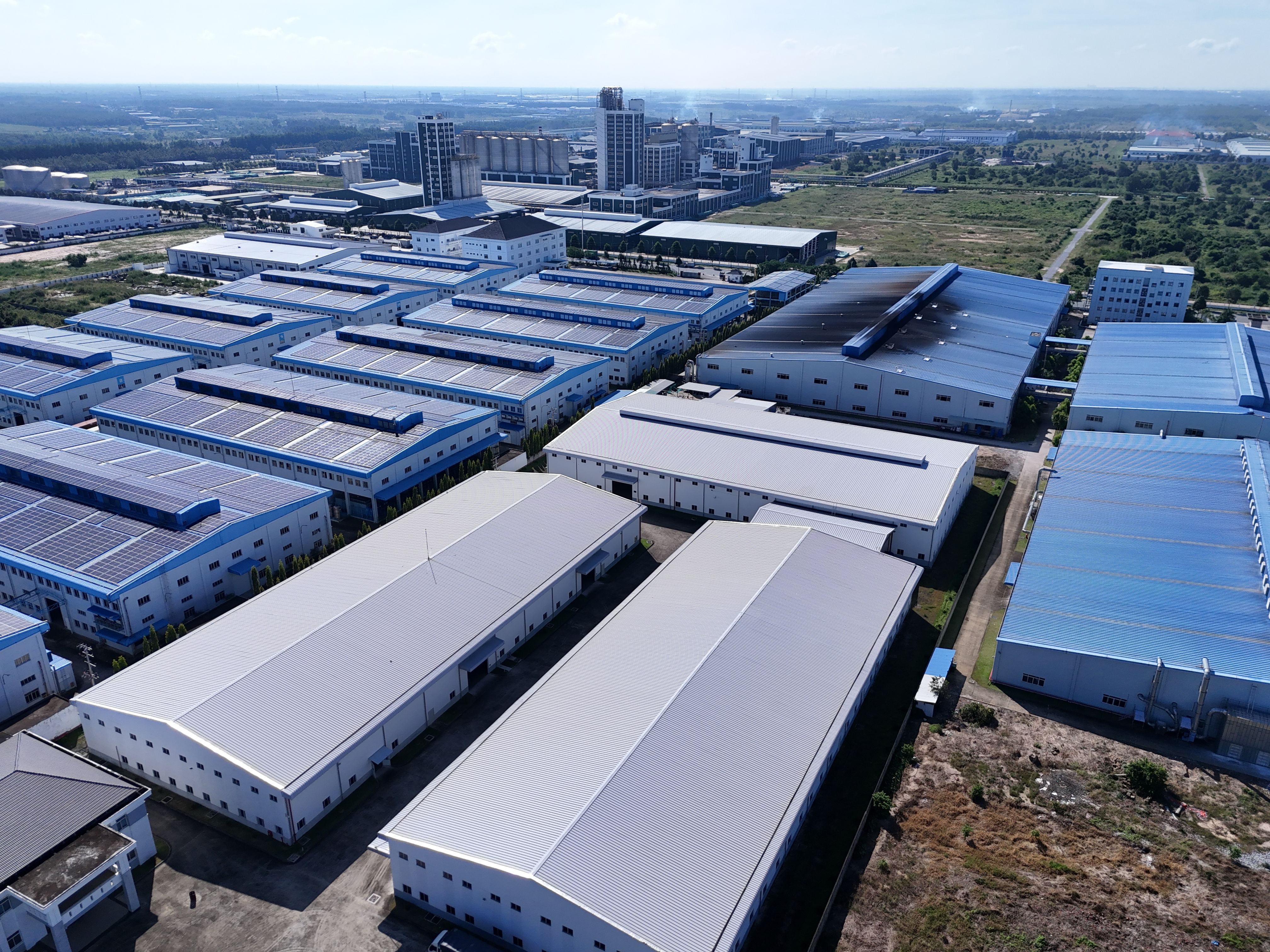
Why Industrial Roofing Systems Fail in Real Projects
In industrial environments, roofing failure is not usually caused by design errors but by material degradation over time. Common issues include corrosion from acid gases in chemical plants, rusting of metal sheets in humid environments, and thermal deformation caused by extreme temperature changes.
Traditional metal roofing systems often degrade quickly when exposed to industrial pollutants. Once corrosion begins, leakage and structural instability follow, leading to costly maintenance and production downtime. These problems make it essential to work with a specialized industrial roofing panels supplier that provides engineered materials rather than standard metal sheets.
How Modern Industrial Roofing Panels Are Engineered
A professional industrial roofing panels supplier does not simply provide sheets—it provides a complete roofing system designed for environmental resistance and structural stability.
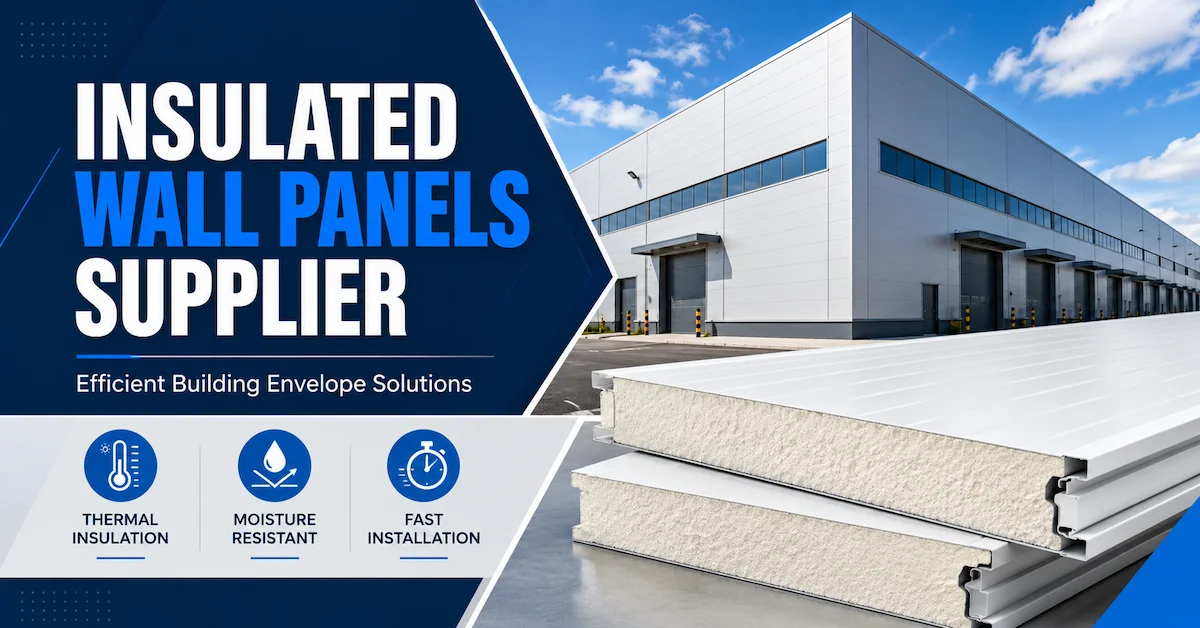
Modern systems such as UPVC roofing panels and insulated sandwich panels are engineered with multi-layer structures. The outer layer is designed for UV and chemical resistance, while the inner layers provide thermal insulation and structural support. This layered approach significantly improves durability in aggressive industrial environments.
Materials such as ASA-coated surfaces and PU insulation cores also enhance performance by reducing heat transfer and preventing deformation under long-term stress.
Industrial Roofing Panels Supplier vs Traditional Metal Roofing
When comparing a professional industrial roofing panels supplier solution with traditional metal roofing systems, the difference lies in engineering performance rather than cost alone.
Metal roofing systems are initially cheaper but suffer from oxidation, corrosion, and high thermal conductivity. These weaknesses lead to frequent maintenance and reduced lifespan in industrial environments.
In contrast, engineered roofing panels are designed for corrosion resistance and energy efficiency. They reduce heat absorption, minimize structural degradation, and provide stable performance even in chemically aggressive environments. Over time, this results in lower total lifecycle cost and improved operational efficiency.
Engineering Advantages of Industrial Roofing Panels
Modern industrial roofing systems offer several key advantages for large-scale facilities. They provide strong resistance to corrosion caused by industrial gases and humidity, making them suitable for chemical plants and manufacturing facilities.
They also offer excellent thermal insulation, reducing energy consumption in temperature-controlled environments. Structural stability is another key advantage, as engineered panels maintain integrity under wind load, thermal expansion, and long-term exposure.
Additionally, installation efficiency is improved through modular design systems, reducing labor costs and construction time for large industrial projects.
Application Scenarios for Industrial Roofing Systems
A professional industrial roofing panels supplier serves a wide range of industrial applications.
In chemical plants and electroplating factories, roofing systems must resist acid corrosion and chemical exposure. In warehouses and logistics centers, durability and thermal control are essential for large-span structures.
Manufacturing facilities require roofing systems that can withstand vibration, heat, and mechanical stress. In all these scenarios, engineered roofing panels provide more stable and predictable performance compared to traditional materials.
View engineering applications:
HONCH Engineering Cases
How to Choose the Right Industrial Roofing Panels Supplier
When selecting an industrial roofing partner, buyers should evaluate several key factors.
Material composition is the most important consideration. Systems such as UPVC, ASA-coated panels, or PU insulation determine performance under different environmental conditions. Structural thickness and load-bearing capacity are also critical for long-term stability.
Customization capability is another key factor. Large industrial projects often require tailored dimensions, colors, and installation systems. A reliable industrial roofing panels supplier should provide OEM and engineering customization support.
Finally, proven project experience in industrial environments ensures reliability and reduces project risk.
FAQ
Q1: What is the lifespan of industrial roofing panels?
High-quality engineered roofing panels typically last significantly longer than traditional metal roofing, especially in corrosive environments.
Q2: Are roofing panels suitable for chemical factories?
Yes, anti-corrosion roofing systems are specifically designed for acid and chemical exposure environments.
Q3: Can industrial roofing panels reduce energy costs?
Yes, insulated roofing systems reduce heat transfer and lower cooling energy consumption.
Q4: What is the difference between metal roofing and industrial roofing panels?
Metal roofing is a single-layer system prone to corrosion, while industrial roofing panels are engineered multi-layer systems with insulation and protection layers.
Conclusion
Selecting the right industrial roofing panels supplier is essential for ensuring long-term durability, cost efficiency, and operational stability in industrial buildings. Engineered roofing systems provide superior resistance to corrosion, heat, and structural stress compared to traditional materials.
For industrial roofing projects or technical consultation, contact us here:
Contact HONCH Engineering Team
Modern industrial roofing is no longer just a material choice—it is an engineering decision that directly impacts the long-term performance of your facility.