How a Sandwich Panel Manufacturer Influences Building Performance in Practice
In factories, cold storage facilities, warehouses, and agricultural buildings, insulation is not an abstract concept. It directly affects energy consumption, internal climate stability, and operating cost over the building’s service life. In this context, choosing a Sandwich Panel Manufacturer is not about panel thickness on a datasheet, but about how materials, structure, and system design perform together after years of use.
Engineering Reality: Where Sandwich Panels Are Actually Used
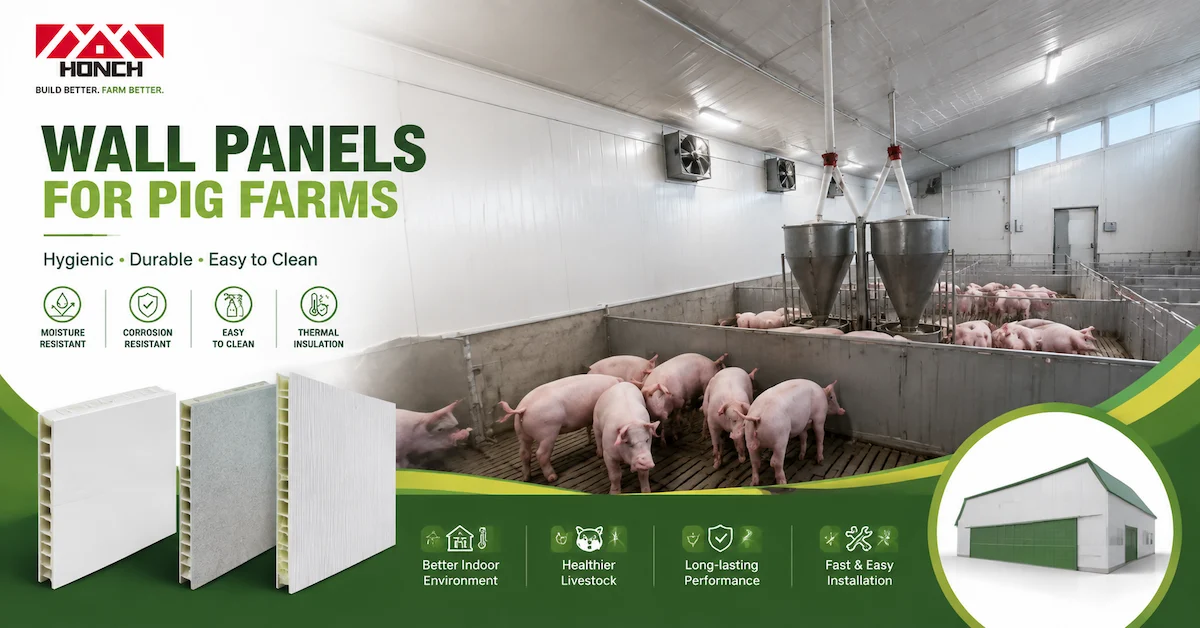
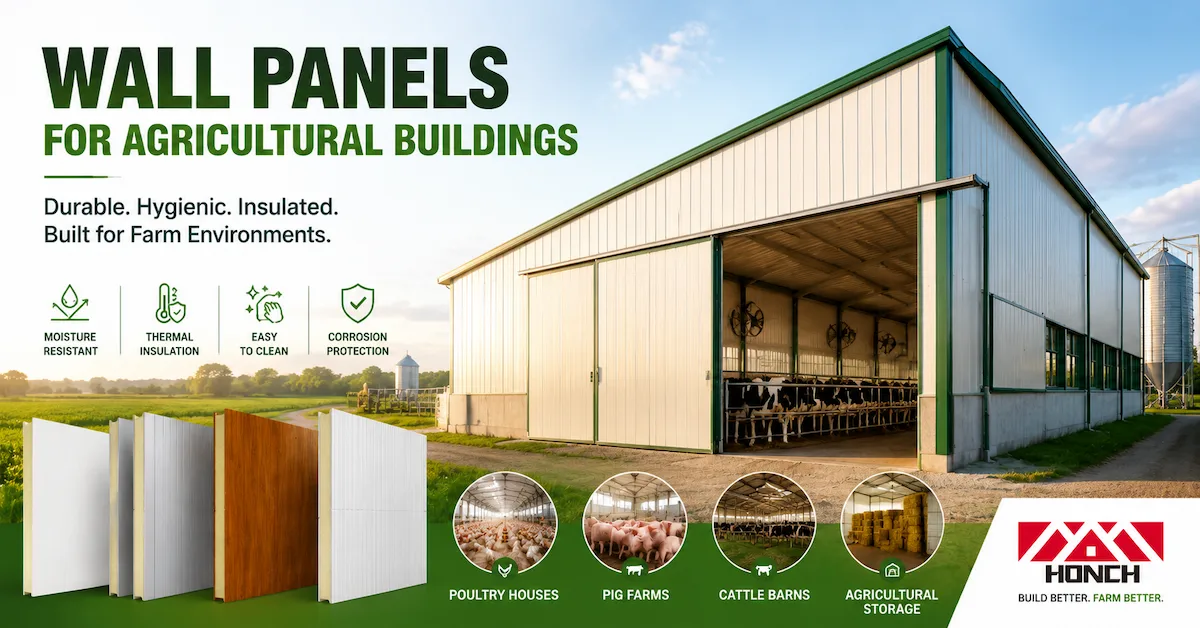
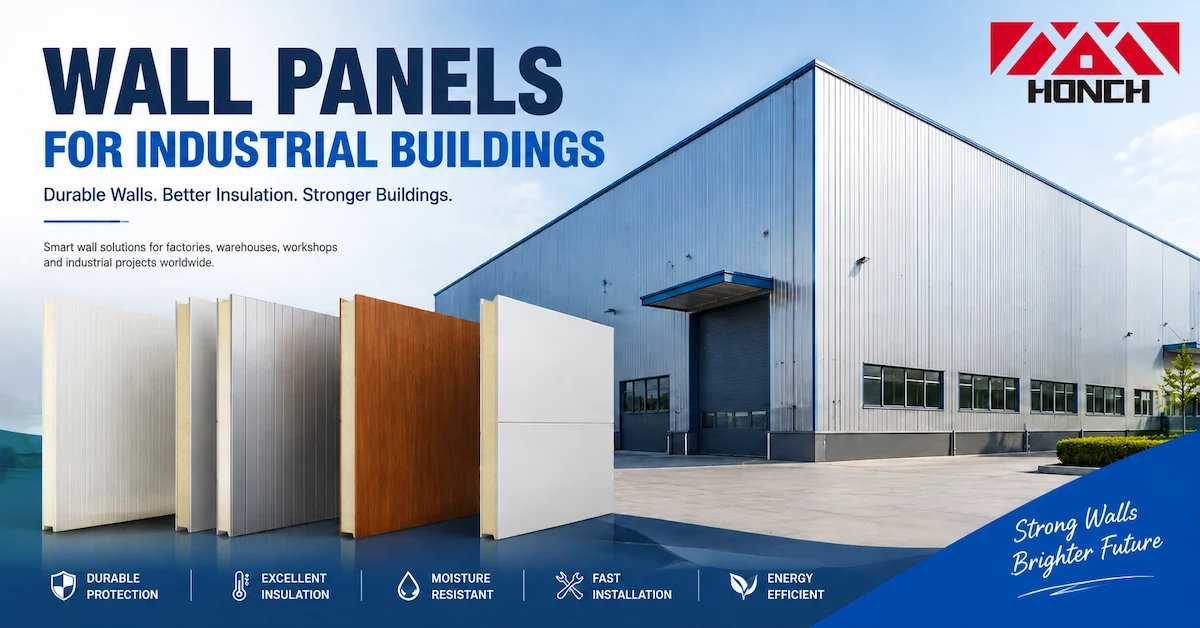
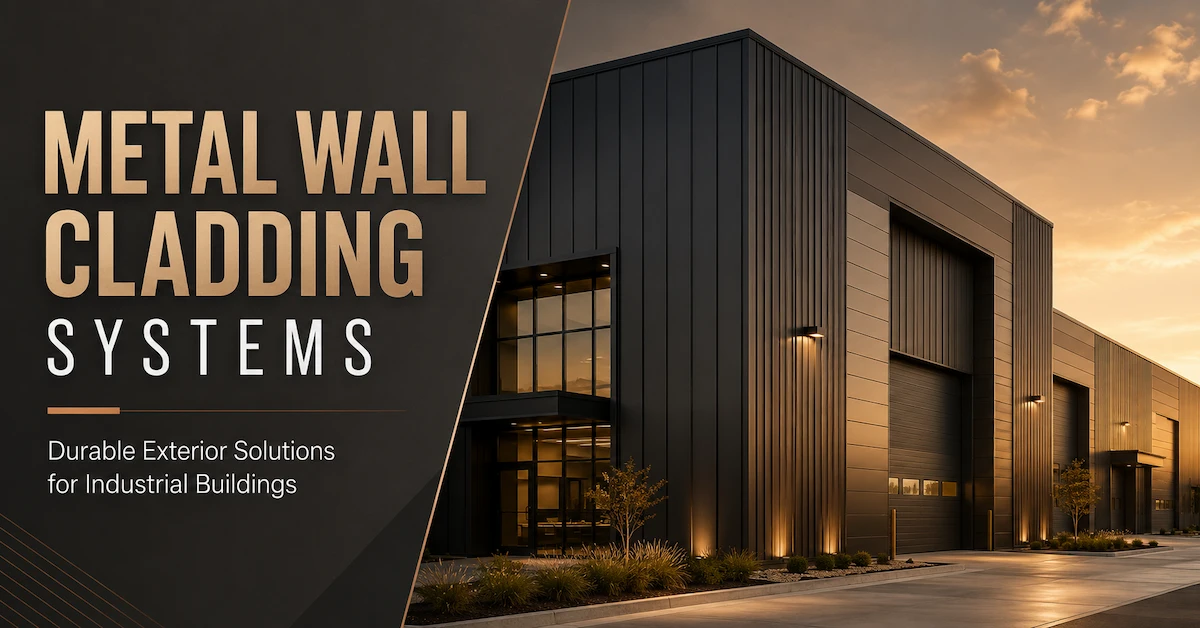
Sandwich panels are commonly specified for buildings that require controlled internal environments and fast installation. Typical applications include:
-
Industrial plants requiring stable indoor temperatures
-
Cold storage and refrigerated logistics facilities
-
Agricultural buildings where thermal comfort affects productivity
-
Warehouses and workshops aiming to reduce long-term energy cost
In these scenarios, panel insulation performance, joint integrity, and structural rigidity are tested continuously, not just at commissioning.
Material Composition: Core Materials and Their Practical Impact
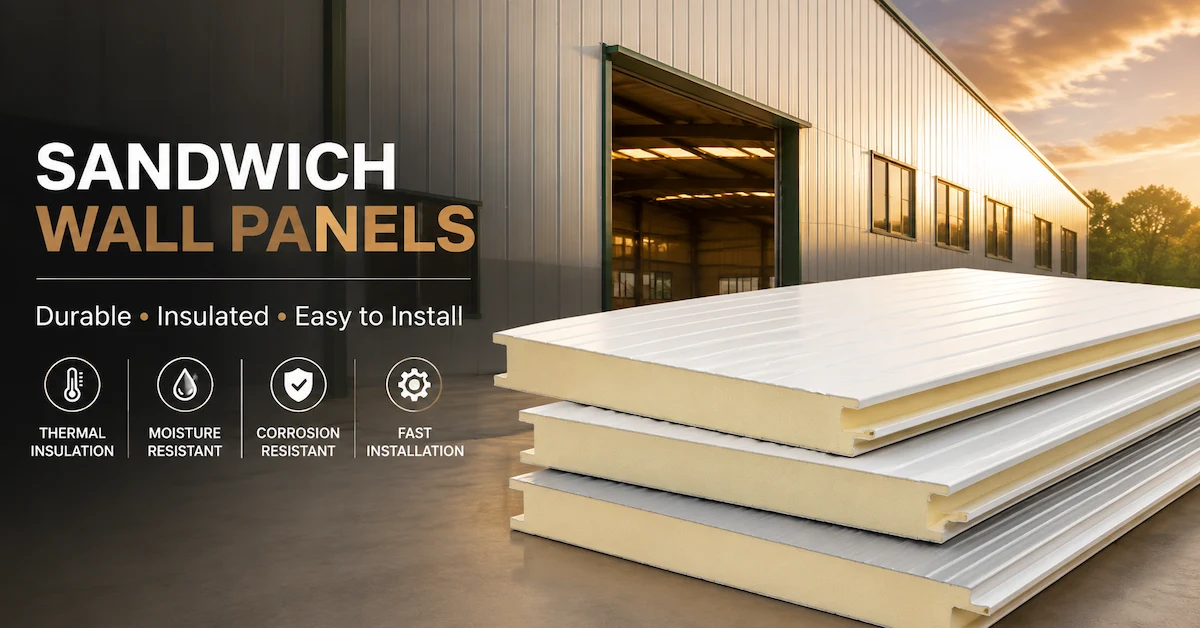
The core material defines how an insulated panel behaves in real use. A capable Sandwich Panel Manufacturer must clearly differentiate application boundaries rather than promoting a single solution for all cases.
PU / PIR core panels
Polyurethane (PU) and polyisocyanurate (PIR) cores offer high insulation efficiency relative to thickness. In temperature-controlled environments, these panels reduce heat transfer significantly, lowering HVAC energy demand.
EPS core panels
EPS panels are lighter and cost-efficient but provide lower insulation performance. They are often used in non-critical temperature environments where budget sensitivity outweighs long-term energy efficiency.
Mineral wool core panels
Mineral wool cores provide fire resistance and acoustic benefits. However, higher density increases panel weight and may affect installation speed and structural design.
A professional Sandwich Panel Manufacturer guides buyers toward the appropriate core based on operating conditions rather than price alone.
Industrial-Grade vs General-Purpose Sandwich Panels: Real Differences
Not all sandwich panels are designed for industrial use. Differences become apparent after several years of operation.
| Application Scenario | General-Purpose Panels | Industrial-Grade Sandwich Panels |
|---|---|---|
| Thermal insulation retention after 5 years | 75–80% of initial performance | 90–95% of initial performance |
| Joint air leakage risk | Medium to high | Low with engineered joint design |
| Panel deformation under load | Noticeable in large spans | Minimal with reinforced skins |
| Energy cost reduction vs non-insulated walls | 25–30% | 40–55% |
| Typical service life | 10–12 years | 15–25 years |
These differences explain why industrial projects prioritize panel system integrity over initial material savings.
Manufacturing Process and Structural Design
Panel performance is largely determined during manufacturing.
A reliable Sandwich Panel Manufacturer controls:
-
Core density consistency to avoid thermal bridging
-
Steel or surface skin thickness for structural stability
-
Bonding quality between skins and core to prevent delamination
Structural design also matters. Panel rib geometry, joint profiles, and fastening systems must be engineered to manage thermal movement and mechanical load without compromising insulation continuity.
Installation and System-Level Compatibility
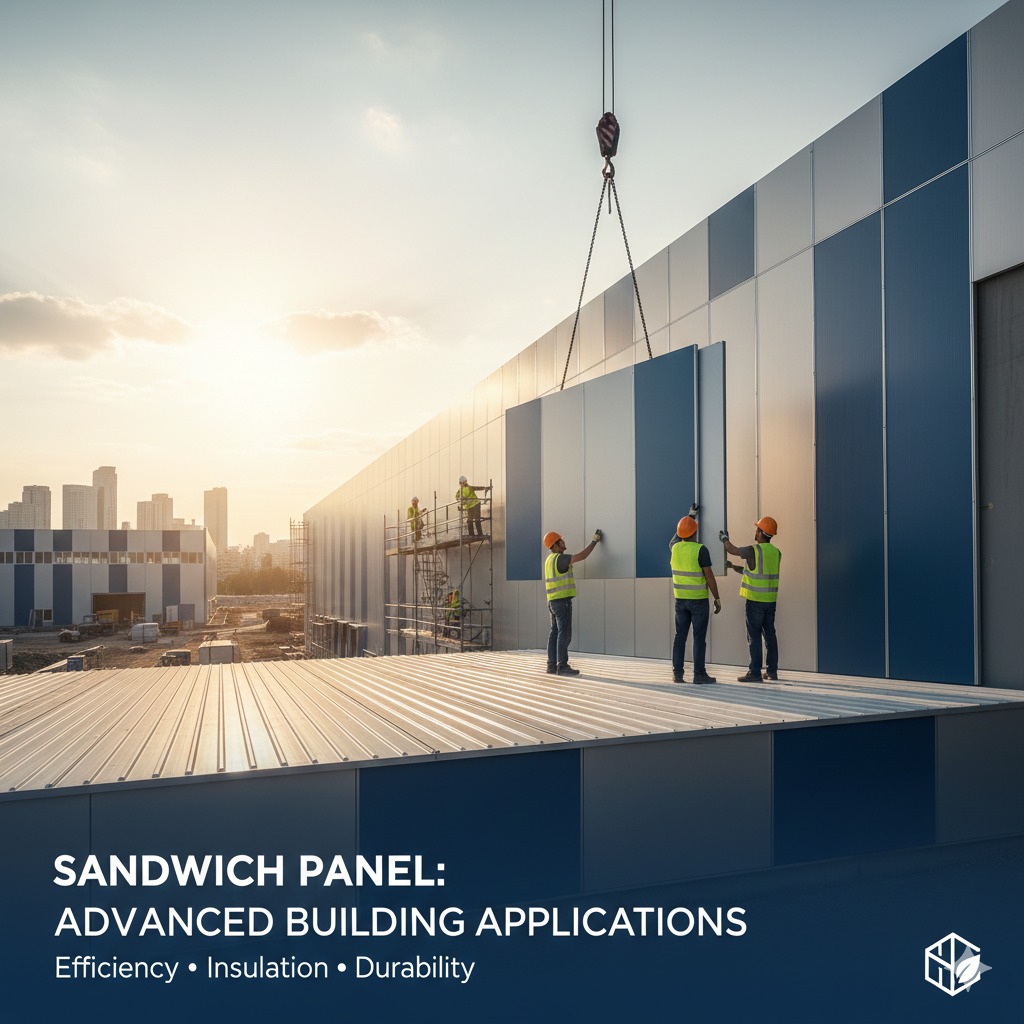
Sandwich panels are not standalone products. Their performance depends on system-level compatibility.
Key considerations include:
-
Tongue-and-groove or concealed joint systems to reduce air leakage
-
Compatible fasteners to avoid cold bridges
-
Edge sealing and flashing details for long-term airtightness
Manufacturers supplying complete systems reduce on-site improvisation, which is a frequent source of insulation failure.
Procurement Reality: MOQ, Lead Time, and Customization
Beyond technical specifications, procurement conditions affect project feasibility.
Based on HONCH’s project-oriented supply approach:
-
MOQ: Typically aligned with project size rather than fixed pallet quantities
-
Lead time: Standard panel thicknesses and colors follow predictable production schedules; customized specifications require early coordination
-
Customization: Core type, thickness, surface coating, and panel length can be adjusted to suit different applications
A Sandwich Panel Manufacturer with in-house production control can support customization without sacrificing delivery reliability.
Common Buyer Questions
Q: How do I choose the right core material for my project?
A: Base the decision on operating temperature, fire requirements, and energy cost targets. PU/PIR cores typically improve energy efficiency by 40–55% compared with non-insulated walls in controlled environments.
Q: Are sandwich panels suitable for large industrial buildings?
A: Yes, when panel structure and joint systems are engineered correctly. Reinforced skins and proper fastening design are critical for large spans.
Q: When should customization be discussed with the manufacturer?
A: During the design or early procurement stage. Early alignment allows the Sandwich Panel Manufacturer to integrate production planning and avoid delays.
Final Perspective for Project Owners and Contractors
Selecting a Sandwich Panel Manufacturer is a long-term operational decision rather than a short-term procurement task. Insulation efficiency, joint integrity, and structural stability determine whether the building meets its energy and performance targets over time.
HONCH supplies sandwich panel systems designed for industrial and agricultural applications, combining controlled manufacturing, system-compatible accessories, and project-based customization support. This approach helps reduce energy loss, shorten installation time, and deliver predictable long-term performance.
To explore insulation system solutions and application experience, visit the HONCH homepage:
https://www.honchroof.com/
If you are planning an insulated building project and need guidance on core selection, MOQ, lead time, or customization feasibility, the technical team is available via Contact Us:
https://www.honchroof.com/contact-us