Walk into two pig houses built in the same year—you might expect them to feel similar. But they don’t.
One feels heavy. The air is still, slightly damp, with a lingering ammonia smell. Animals appear sluggish. Respiratory issues are not uncommon.
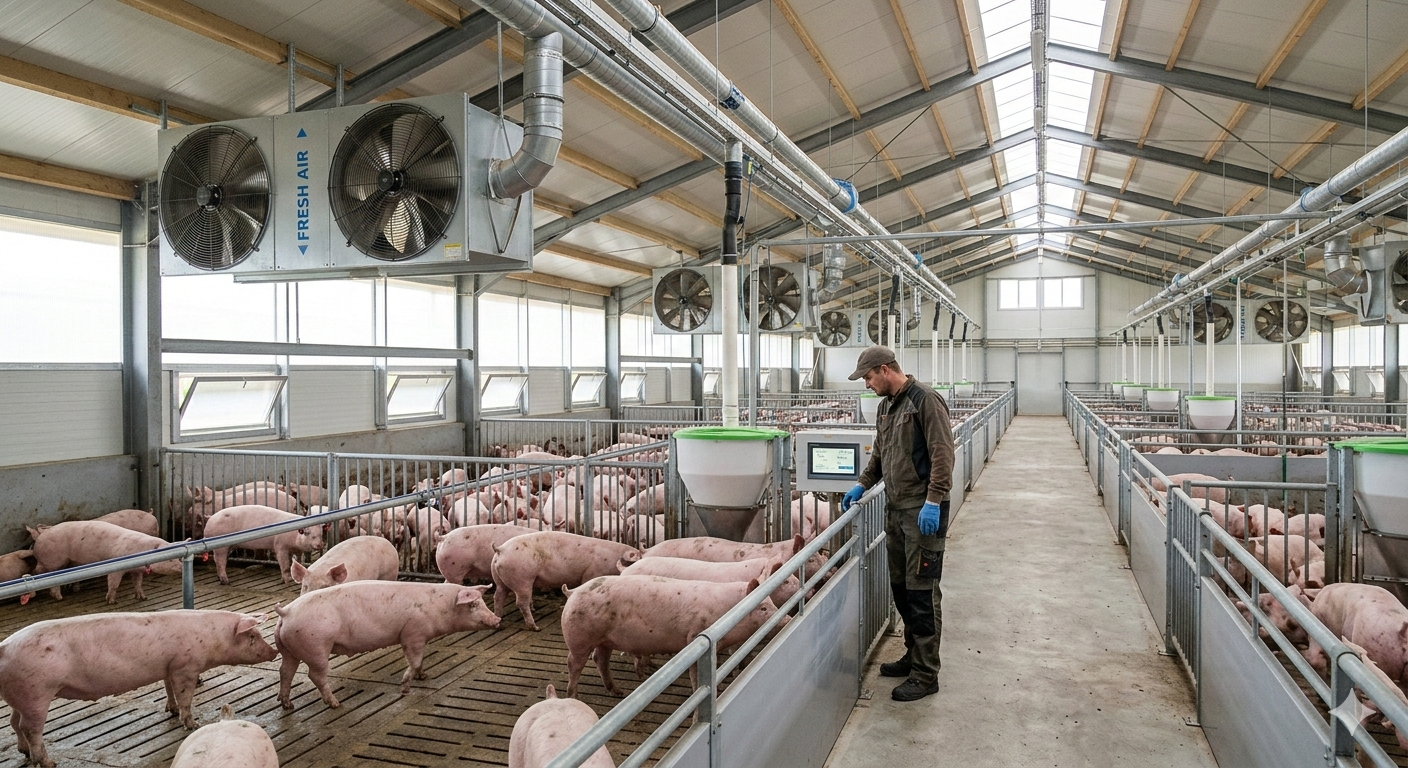
The other feels different the moment you step inside. Air moves. Not aggressively, not in gusts—but consistently. The environment feels controlled. Animals are more active. The building itself even looks cleaner.
Same function. Completely different outcome.
This gap often comes down to one overlooked factor: airflow design embedded in the building itself.
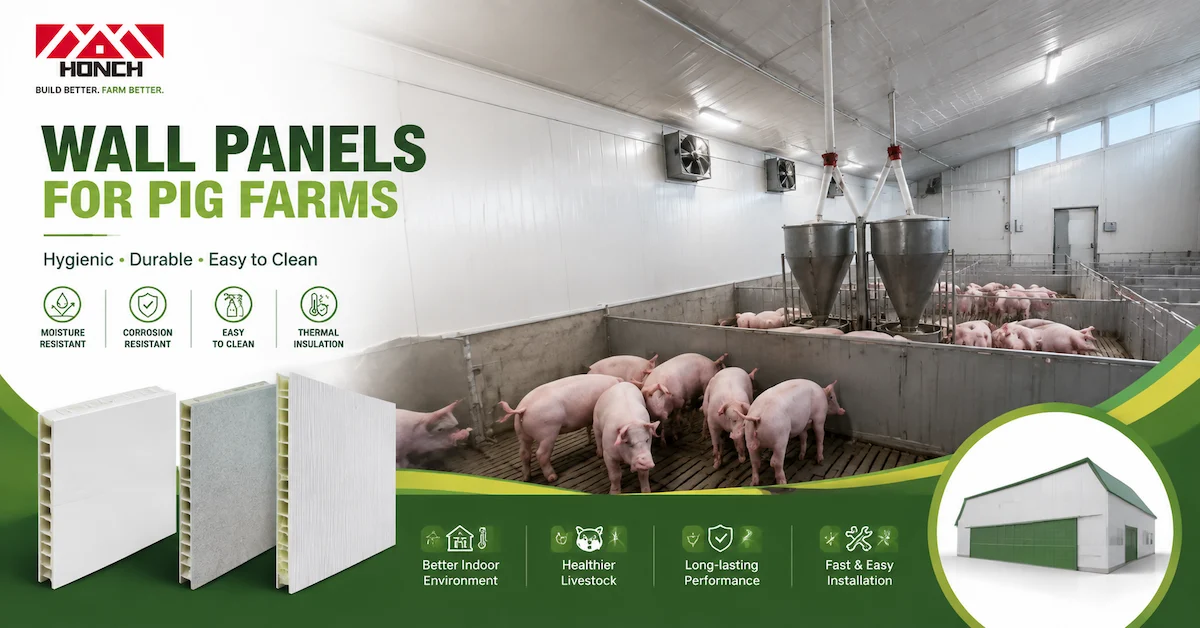
A professional Pig Farm construction Supplier does not treat ventilation as an add-on system. At HONCH, airflow is designed into the structure—from roof geometry to wall panel selection—so the building works with the ventilation system instead of resisting it. The result is a measurable improvement in air circulation, reduced ammonia concentration, and a healthier livestock environment.
Why Poor Airflow Quietly Reduces Farm Performance
Air doesn’t just “exist” inside a pig house. It behaves—rises, cools, stagnates, accelerates.
When airflow is poorly designed, several issues begin to appear, often gradually:
-
Ammonia accumulates near the ceiling
-
Moisture condenses on surfaces
-
Bacteria and pathogens spread more easily
-
Animals experience respiratory stress
According to guidelines referenced by the Food and Agriculture Organization (FAO), proper ventilation in livestock housing is essential for maintaining animal health and reducing disease risks.
Yet many pig houses rely heavily on mechanical ventilation without considering how the building structure influences airflow patterns.
A capable Pig Farm construction Supplier understands that airflow efficiency starts with structural design—not just fan capacity.
Airflow Is a Structural Problem, Not Just a Mechanical One
Ventilation systems can only perform as well as the building allows them to.
Consider this:
If warm air rises but becomes trapped under poorly designed roofing panels, no amount of fan power fully resolves the issue.
HONCH pig house designs integrate airflow principles directly into the structure:
-
Roof slopes designed to guide rising warm air
-
Panel surfaces that reduce condensation buildup
-
Wall layouts that support consistent air movement
This approach creates what can be described as a passive airflow pathway—a natural flow that mechanical systems can amplify rather than struggle against.
Material Selection Affects Air Quality More Than Expected
It’s easy to think of materials only in terms of durability. But inside a pig house, materials also influence air quality.
Porous or rough materials can:
-
trap moisture
-
harbor bacteria
-
increase odor retention
Smooth, non-absorbent materials behave differently.
| Material Type | Surface Behavior | Impact on Airflow | Hygiene Effect |
|---|---|---|---|
| Rough concrete | Absorbs moisture | Disrupts airflow | Lower hygiene |
| Painted metal | Moderate | Neutral | Moderate |
| Polymer panels | Smooth, non-porous | Supports airflow | High hygiene |
HONCH livestock building systems often incorporate smooth-surface wall and ceiling materials that reduce resistance to airflow and limit contamination buildup.
This creates a cleaner, more stable internal environment over time.
Real Farm Experience: When Airflow Changed Everything
One farm operator we worked with had a persistent issue—despite installing high-capacity ventilation fans, the building still suffered from odor accumulation and inconsistent air quality.
The problem wasn’t the equipment. It was the structure.
During the redesign phase, HONCH, acting as a Pig Farm construction Supplier, adjusted the building envelope:
-
Modified roof structure to improve thermal airflow
-
Replaced interior surfaces with smooth, washable panels
-
Aligned wall openings with airflow direction
The result was immediate and noticeable. Air movement became consistent across the entire building. Odor levels decreased. Animals showed improved activity levels.
The farmer’s feedback was simple but telling:
"The fans didn’t change. The building did."
Balancing Airflow with Temperature Control
Airflow alone is not enough. It must be controlled.
Too much airflow can:
-
create temperature stress for animals
-
increase energy consumption
Too little airflow leads back to stagnation and moisture problems.
A knowledgeable Pig Farm construction Supplier balances airflow with insulation and structural design.
HONCH buildings are designed to:
-
maintain stable internal temperatures
-
allow controlled airflow distribution
-
reduce energy load on ventilation systems
This balance ensures that airflow supports both animal health and operational efficiency.
Construction Approach That Supports Ventilation Efficiency
Even the best design can fail if construction execution is inconsistent.
Panel alignment, joint sealing, and structural precision all influence airflow behavior.
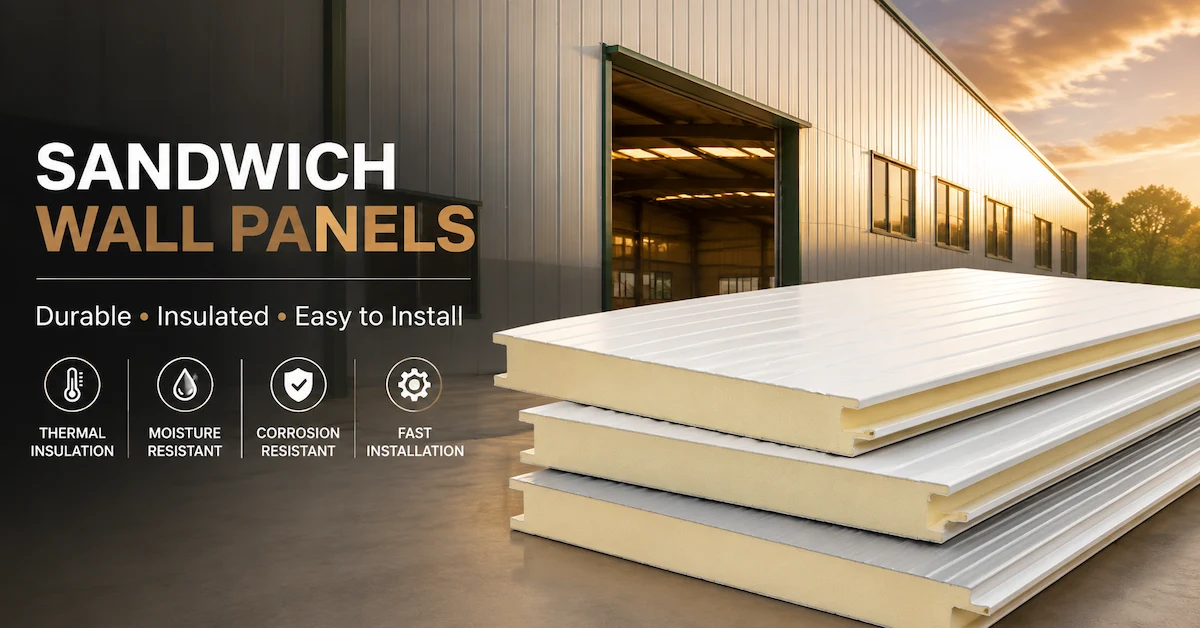
HONCH uses prefabricated panel systems to:
-
maintain consistent structural geometry
-
reduce installation errors
-
ensure airflow pathways function as designed
In practice, this approach has reduced airflow inefficiencies and shortened construction timelines by approximately 25–30% compared with traditional livestock construction methods.
Common Buyer Questions
Q: Can ventilation fans alone solve airflow problems?
A: Not always. Building structure significantly affects how air moves inside the facility.
Q: Do wall and ceiling materials influence animal health?
A: Yes. Materials affect moisture control, hygiene, and indirectly airflow quality.
Q: When should airflow design be considered in a pig farm project?
A: At the earliest design stage, ideally with input from a Pig Farm construction Supplier.
Building for Health, Not Just Structure
Pig farm construction is no longer just about creating shelter. It’s about shaping an environment—one that supports animal health, reduces disease risk, and maintains operational efficiency.
A professional Pig Farm construction Supplier understands that airflow is not an isolated system but a result of integrated design decisions.
HONCH provides livestock building solutions that combine structural engineering, material science, and practical farm experience to create healthier and more durable pig farming environments.
To explore pig farm construction systems and real project applications, visit the HONCH homepage:
https://www.honchroof.com/
If you are planning a new livestock facility or optimizing an existing one, the HONCH team is available through Contact Us:
https://www.honchroof.com/contact-us