How a Building material Manufacturer Determines Real Project Performance
On industrial sites, farms, and logistics facilities, building materials are not chosen for aesthetics. They are selected to survive humidity, chemicals, vibration, and continuous use. In these environments, the role of a Building material Manufacturer becomes visible only after construction is complete—when materials either perform steadily or begin creating maintenance problems.
Project Environments That Expose Material Weakness
Different construction scenarios place very different demands on materials.
-
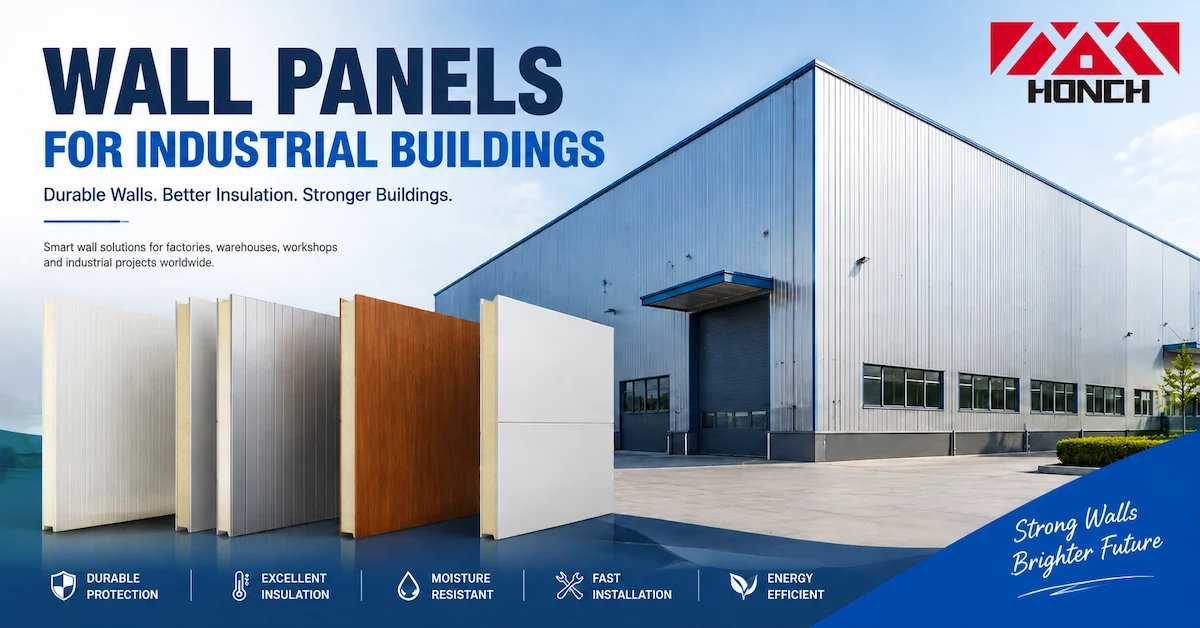
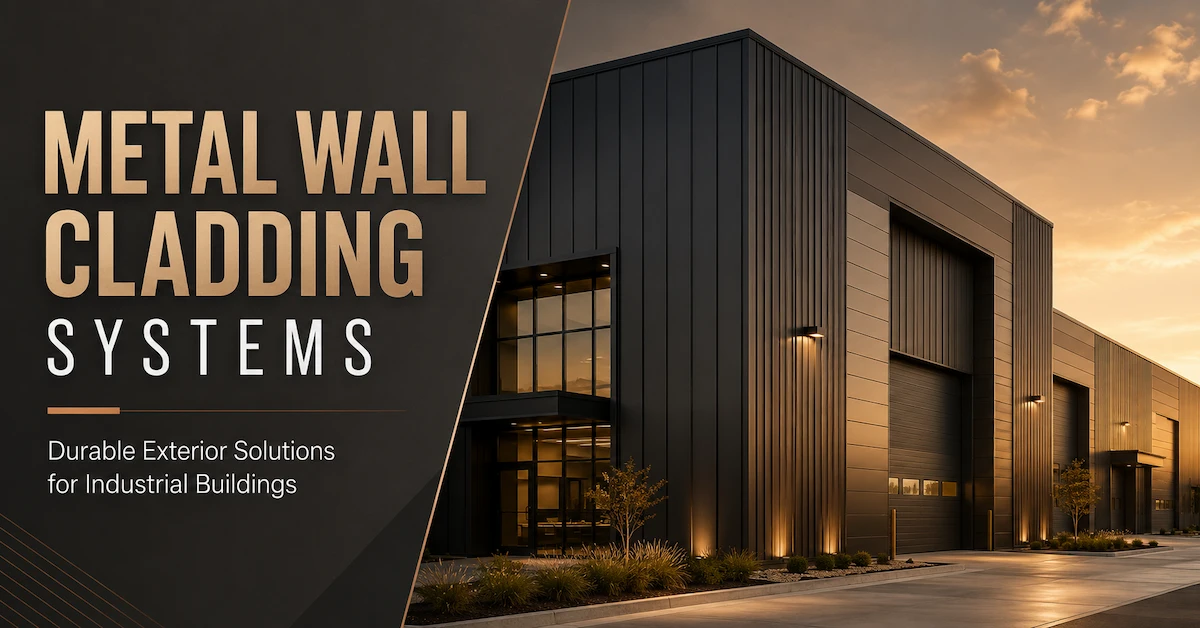
Industrial plants expose walls, roofs, and ceilings to chemical vapor, heat, and mechanical stress
-
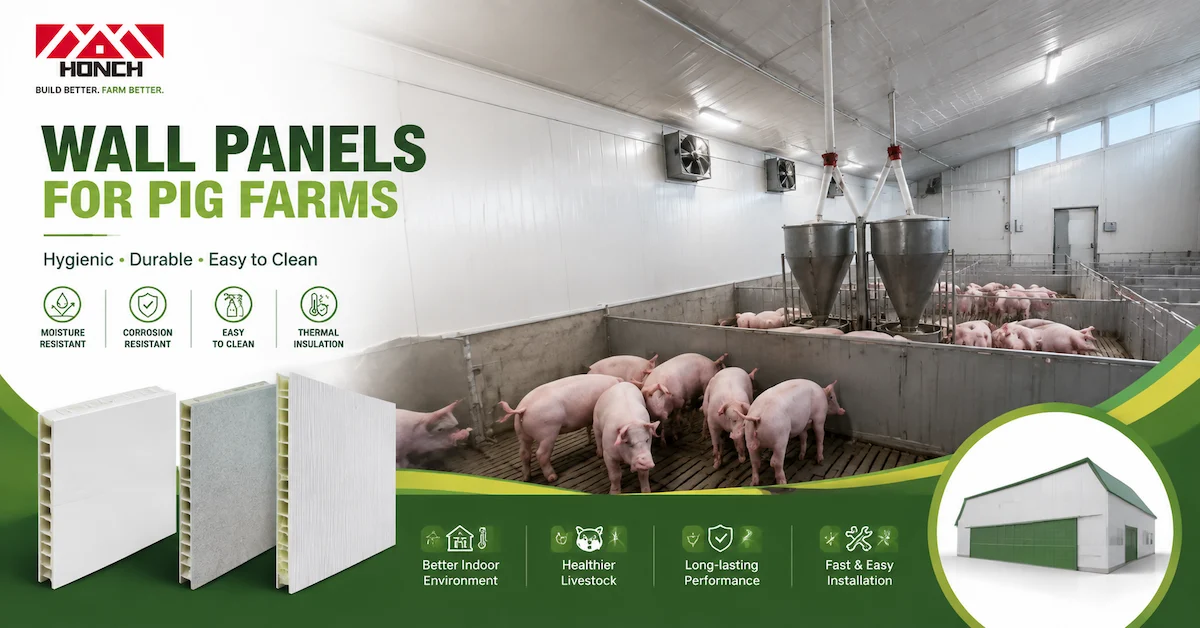
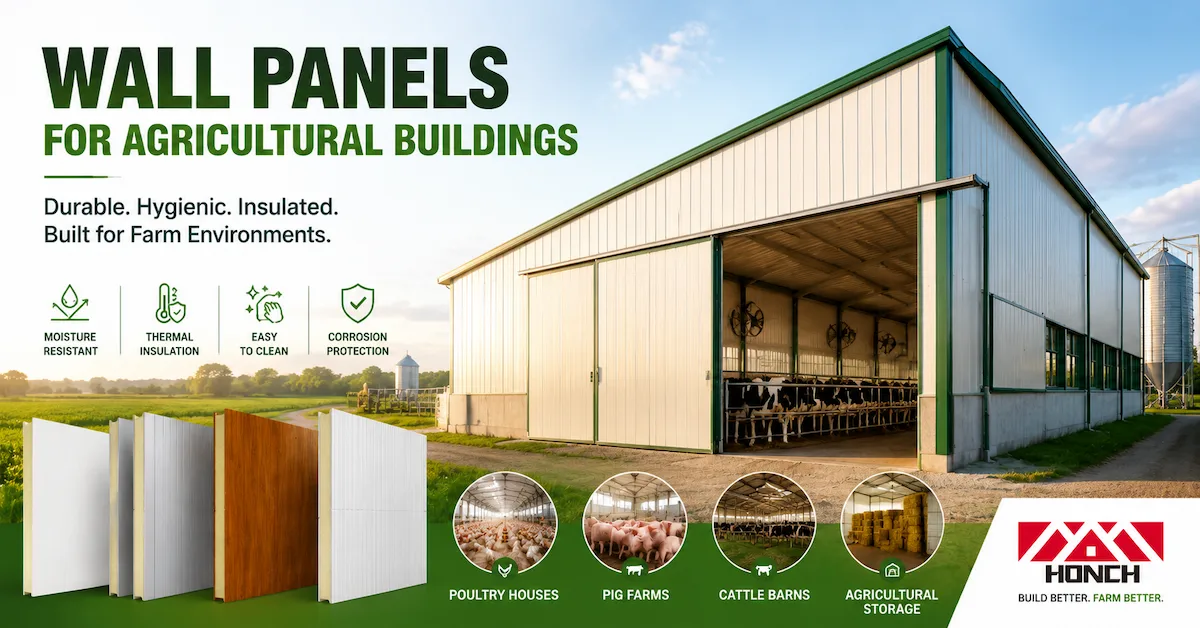
Agricultural buildings operate under high humidity, ammonia exposure, and frequent washdown
-
Warehouses and logistics hubs require large spans, wind resistance, and dimensional stability
A capable Building material Manufacturer designs materials specifically for these conditions rather than adapting residential-grade products.
Material Choices That Influence Durability and Maintenance
Material performance is defined by formulation, structure, and how components work together.
Polymer-based building materials
PVC, UPVC, and composite polymer systems are widely used in corrosive or high-humidity environments because corrosion resistance is inherent to the material. In real projects, polymer-based systems typically reduce corrosion-related maintenance by 40–55% compared with coated metal alternatives.
Traditional metal materials
Metal panels offer strength but rely heavily on surface coatings. Once coatings degrade, corrosion spreads quickly, increasing repair frequency and downtime in aggressive environments.
Insulated panel systems
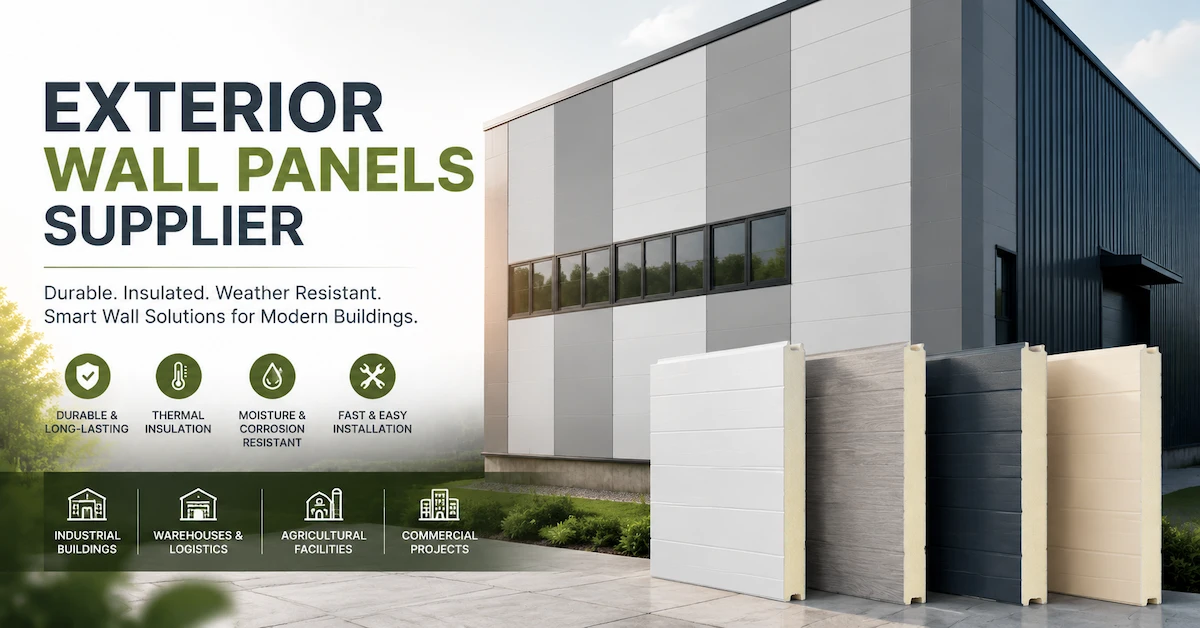
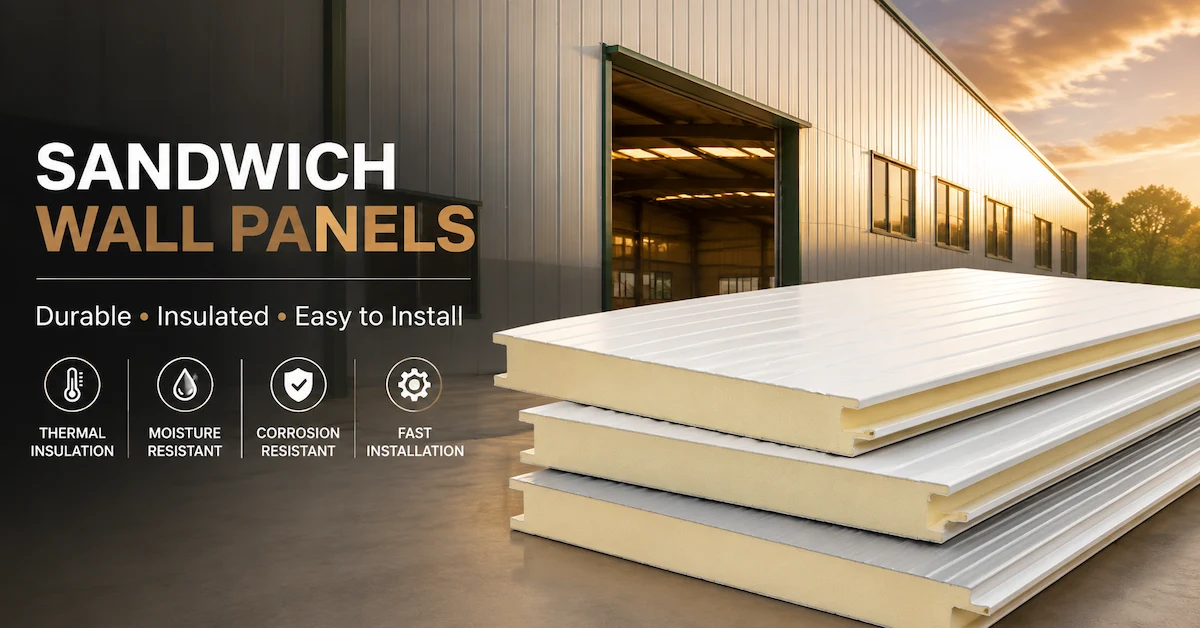
Sandwich panels combining structural skins with insulation cores improve thermal stability and energy efficiency. In controlled environments, insulated systems often deliver 35–50% energy cost reduction compared with non-insulated structures.
A professional Building material Manufacturer helps buyers match material type to operating conditions rather than promoting a single solution.
System Design: Why Materials Must Work Together
Building performance is rarely determined by a single product.
A system-oriented Building material Manufacturer supplies:
-
Roofing, wall, and ceiling components designed with matched thermal expansion
-
Compatible accessories that prevent leakage and stress concentration
-
Installation guidance based on real project feedback
This reduces on-site modification and lowers the risk of early failure.
Performance Differences Observed Across Real Projects
| Performance Indicator | Mixed Material Sourcing | System-Based Supply |
|---|---|---|
| Corrosion-related issues after 5 years | 30–45% affected areas | <10% localized maintenance |
| Installation rework rate | Medium | Low |
| Annual maintenance cost ratio* | 100% baseline | ~45–60% |
| Energy cost reduction (insulated systems) | 20–25% | 35–50% |
| Expected service life | 8–12 years | 15–25+ years |
*Maintenance cost ratio based on comparative project feedback where mixed sourcing is treated as baseline.
These differences explain why many projects move toward system-based material supply once lifecycle cost is evaluated.
From Factory to Site: How Materials Are Actually Used
In projects supported by HONCH, building materials are applied as integrated systems:
-
Corrosion-resistant roofing paired with compatible ridge and fixing systems
-
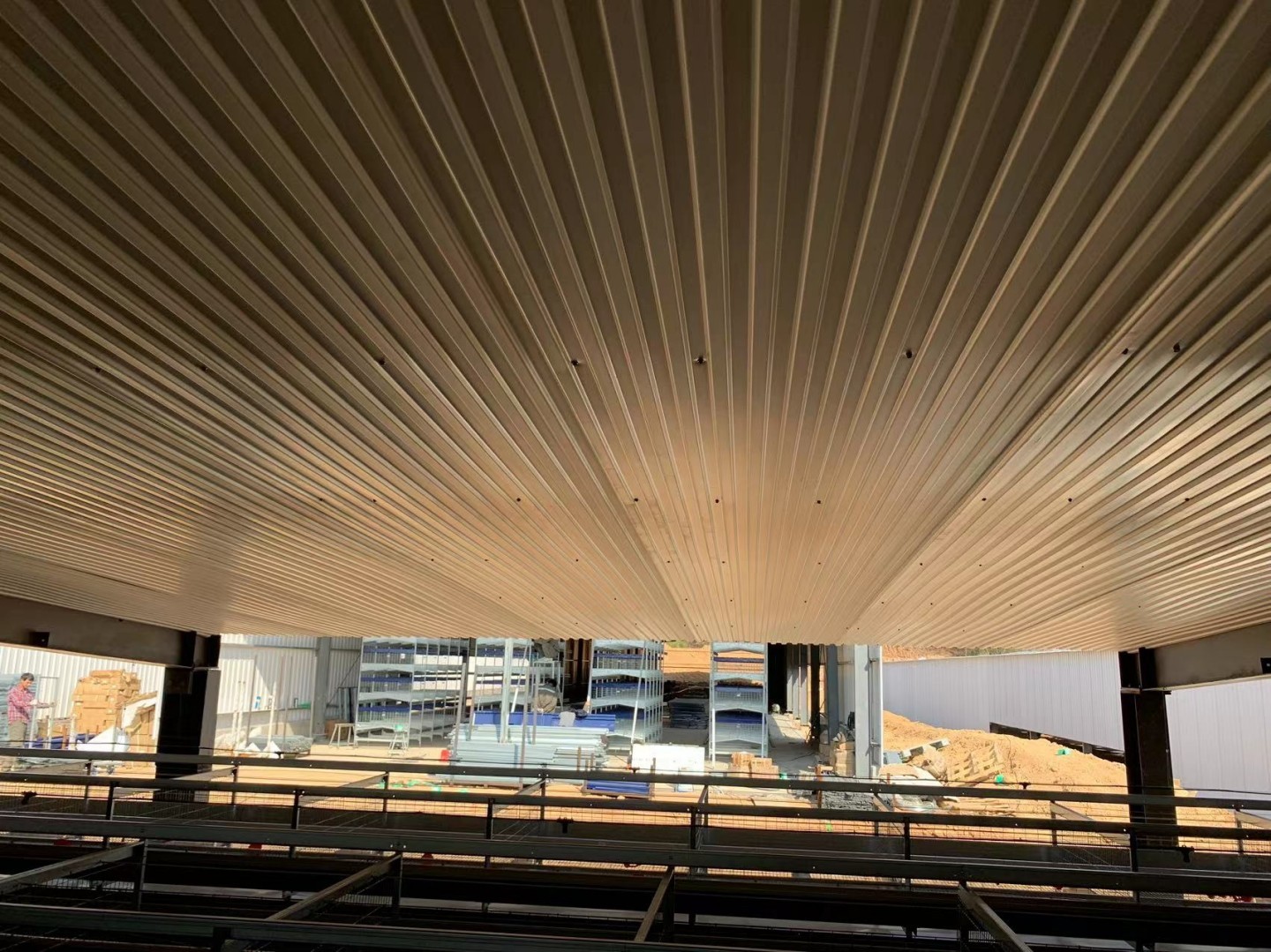
Wall and ceiling panels selected for hygiene and easy cleaning
-
Insulated panels specified where thermal control directly affects operating cost
These configurations are refined through repeated industrial and agricultural applications, not theoretical assumptions.
Procurement Reality: What Buyers Need Beyond Specifications
Material performance must align with procurement practicality.
Based on HONCH’s project supply experience:
-
MOQ: Typically aligned with project scale rather than fixed container quantities
-
Lead time: Standard materials follow predictable production schedules; customized specifications require early coordination
-
Customization: Thickness, profile geometry, surface finish, and color adjusted based on climate and usage
A Building material Manufacturer with controlled production can support customization without compromising delivery reliability.
Common Buyer Questions
Q: When does system-based material supply outperform mixed sourcing?
A: In projects exposed to corrosion, humidity, or heavy use. Integrated systems typically reduce maintenance cost by 40–55% over the building lifecycle.
Q: Are polymer-based materials suitable for long-term industrial use?
A: Yes. When properly formulated and engineered, polymer systems resist corrosion and moisture absorption, making them suitable for demanding environments.
Q: When should material customization be discussed?
A: During design or early procurement. Early alignment allows the Building material Manufacturer to integrate production planning and avoid delays.
Final Guidance for Project Owners and Contractors
Choosing a Building material Manufacturer is a decision about long-term reliability, not short-term cost. In industrial and agricultural construction, material formulation, structural design, and system compatibility determine whether a building performs consistently over decades.
HONCH supplies building materials as integrated systems designed for demanding environments, combining controlled manufacturing, compatible components, and project-based customization support.
To explore system solutions and application experience, visit the HONCH homepage:
https://www.honchroof.com/
If you are evaluating materials for an upcoming project and need guidance on selection, MOQ, lead time, or customization feasibility, the technical team is available via Contact Us:
https://www.honchroof.com/contact-us