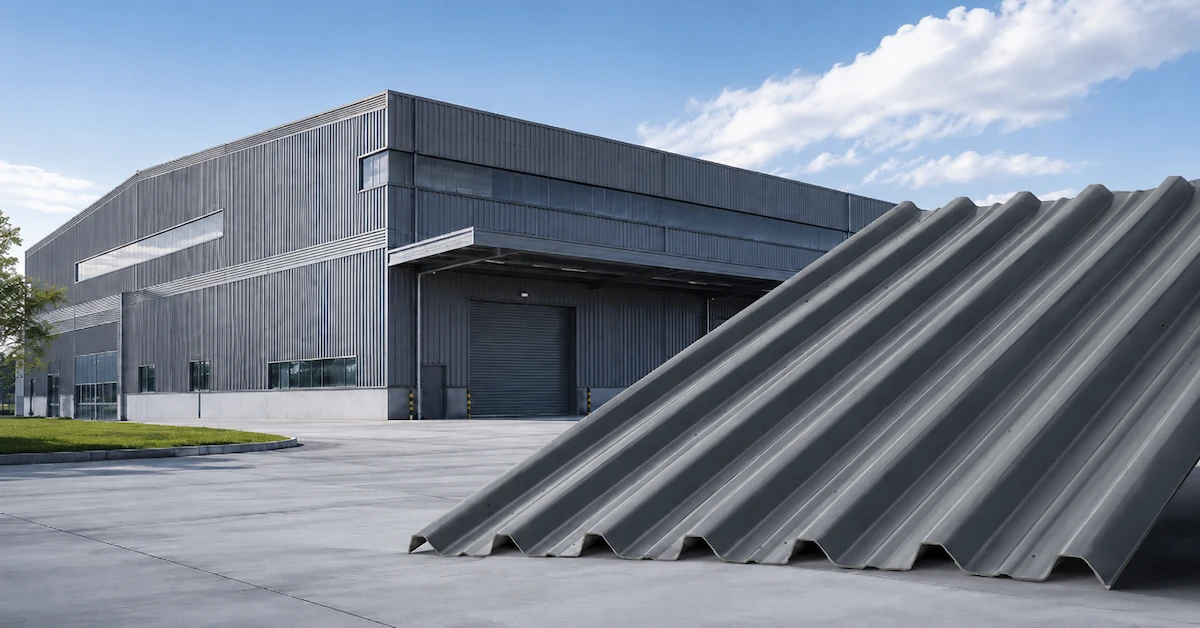
Choosing the right wall cladding panels manufacturer is important for buildings that require durable wall protection, insulation, moisture resistance, and long-term performance. Wall cladding panels are not only used to improve building appearance. They also help protect structures from humidity, temperature changes, corrosion, impact, and environmental exposure.
For factories, warehouses, livestock farms, agricultural buildings, cold rooms, and light construction projects, wall systems play an important role in maintaining indoor conditions and reducing maintenance requirements.
A reliable wall cladding supplier should provide more than wall panels. They should understand the relationship between wall structure, insulation, roofing systems, installation methods, and application environment.
HONCH Technology supplies roofing, wall, ceiling, and accessory systems for demanding building environments. Its product range includes PU insulation wall panels, UPVC/APVC roofing sheets, PVC ceiling panels, roof accessories, and complete building material solutions.
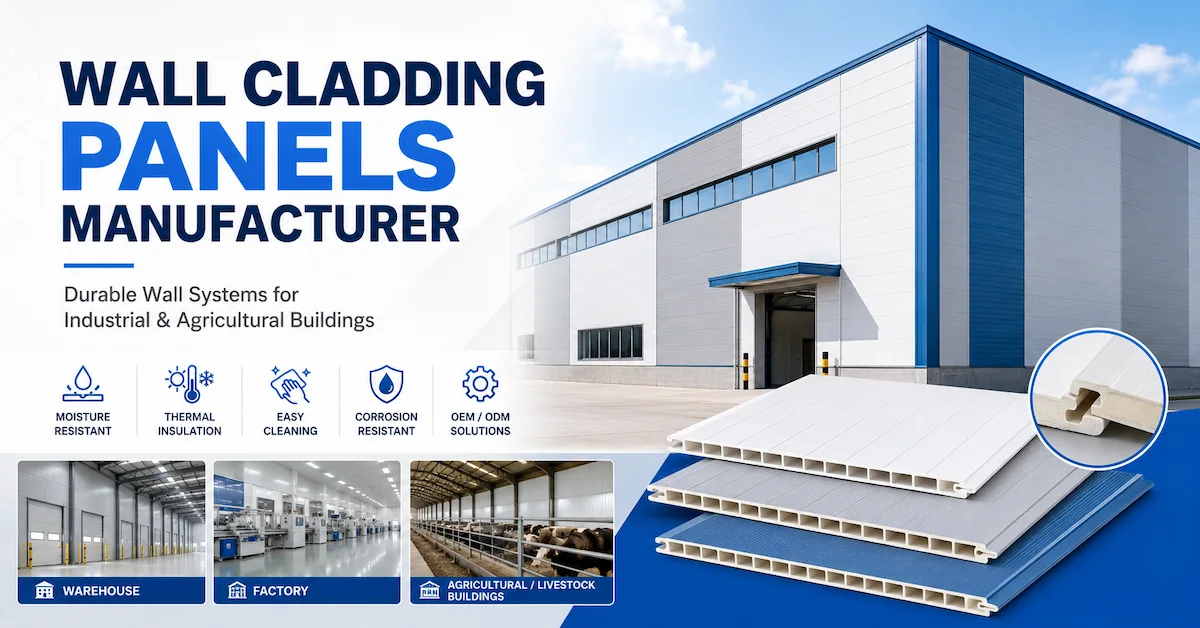
What Are Wall Cladding Panels?
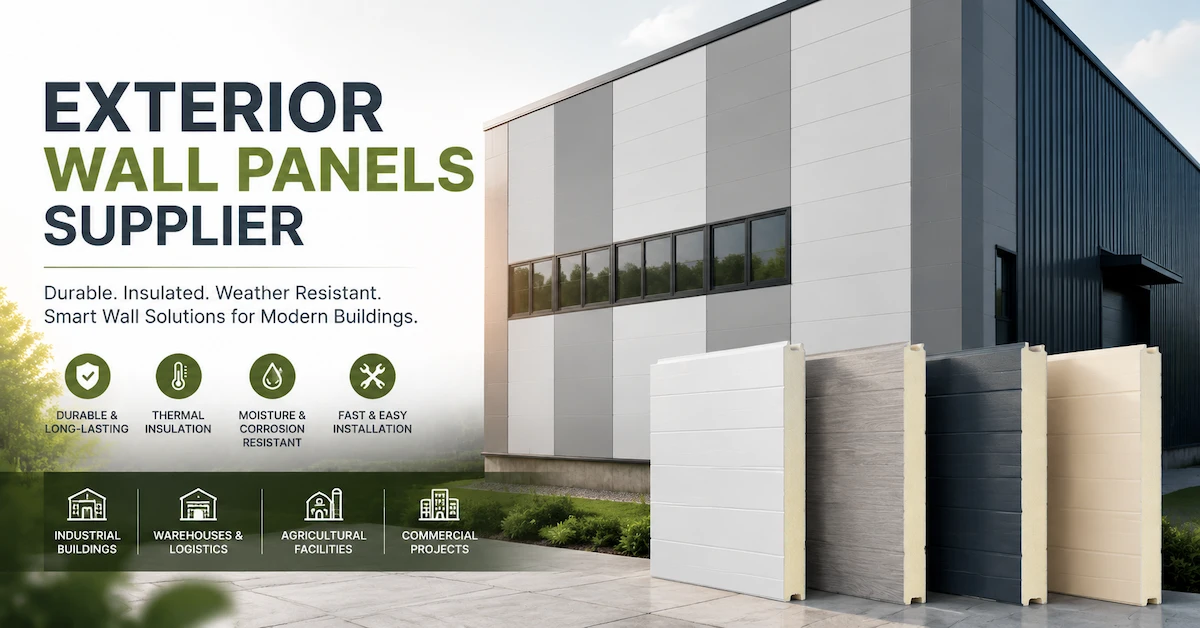
Wall cladding panels are exterior or interior building panels installed on walls to provide protection, insulation, and improved appearance. Depending on the application, wall cladding panels can be made from PVC, UPVC, PU composite materials, metal, or other engineered materials.
A complete wall cladding system may include:
- Main wall panels
- Insulation layers
- Corner profiles
- Connection accessories
- Fasteners
- Sealing components
- Matching roofing systems
For B2B buyers, choosing a wall cladding panels manufacturer means choosing a supplier that can provide a complete wall solution rather than only a single panel product.
Why Wall Cladding Panels Matter for Buildings
Building walls are constantly exposed to external conditions such as rain, humidity, sunlight, wind, dust, and temperature changes. In industrial and agricultural environments, walls may also face ammonia, chemical vapor, cleaning water, and corrosion risks.
Poor wall material selection can cause:
- Moisture problems
- Heat loss or heat gain
- Mold growth
- Corrosion damage
- Difficult cleaning
- Higher maintenance costs
- Poor indoor comfort
A suitable wall cladding system can help improve:
- Thermal insulation
- Waterproof performance
- Corrosion resistance
- Indoor environment stability
- Building appearance
- Cleaning efficiency
- Service life
Who Needs Wall Cladding Panels?
Wall cladding panels are commonly purchased by:
- Industrial building contractors
- Factory owners
- Warehouse developers
- Livestock farm builders
- Agricultural project contractors
- Food processing facilities
- Cold storage builders
- Building material distributors
- OEM/ODM construction material brands
These buyers usually focus on:
- Panel durability
- Insulation performance
- Moisture resistance
- Corrosion resistance
- Installation efficiency
- Customization capability
- Supplier reliability
Main Types of Wall Cladding Panels
Different applications require different wall panel structures. A professional manufacturer should recommend products according to building conditions.
| Material Type | Main Feature | Suitable Applications |
|---|---|---|
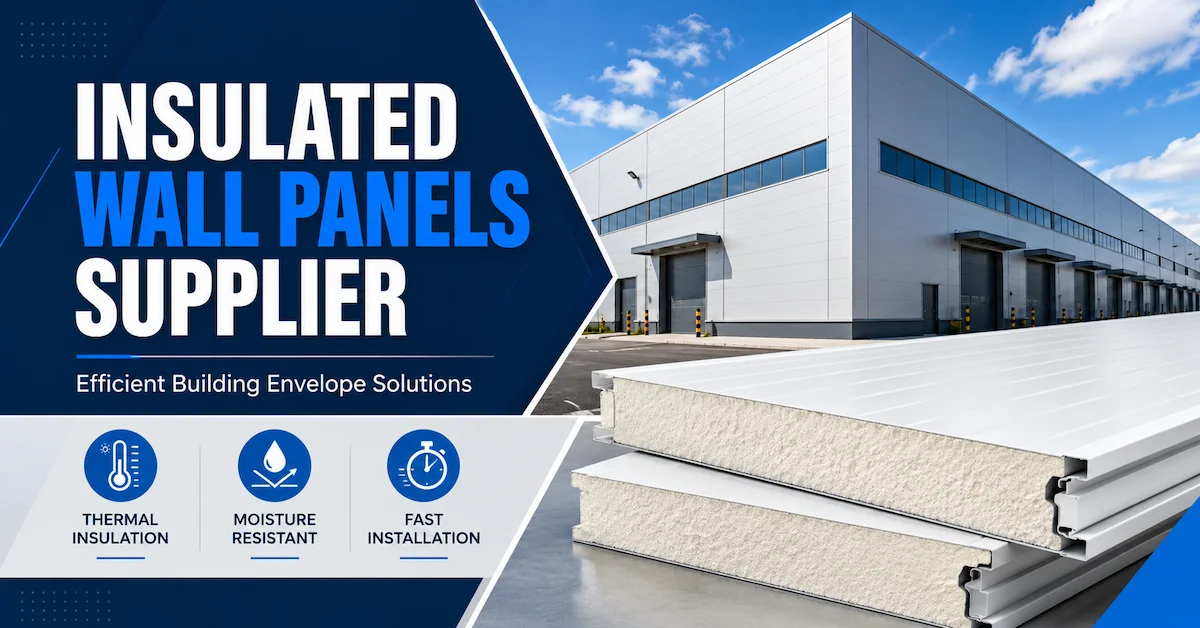
| PU Insulation Wall Panel | Thermal insulation and moisture resistance | Industrial buildings, farms, cold storage |
| PVC Wall Panel | Lightweight, moisture resistant, easy cleaning | Agricultural buildings, interior wall applications |
| UPVC Wall Panel | Corrosion resistant and durable | Humid industrial environments |
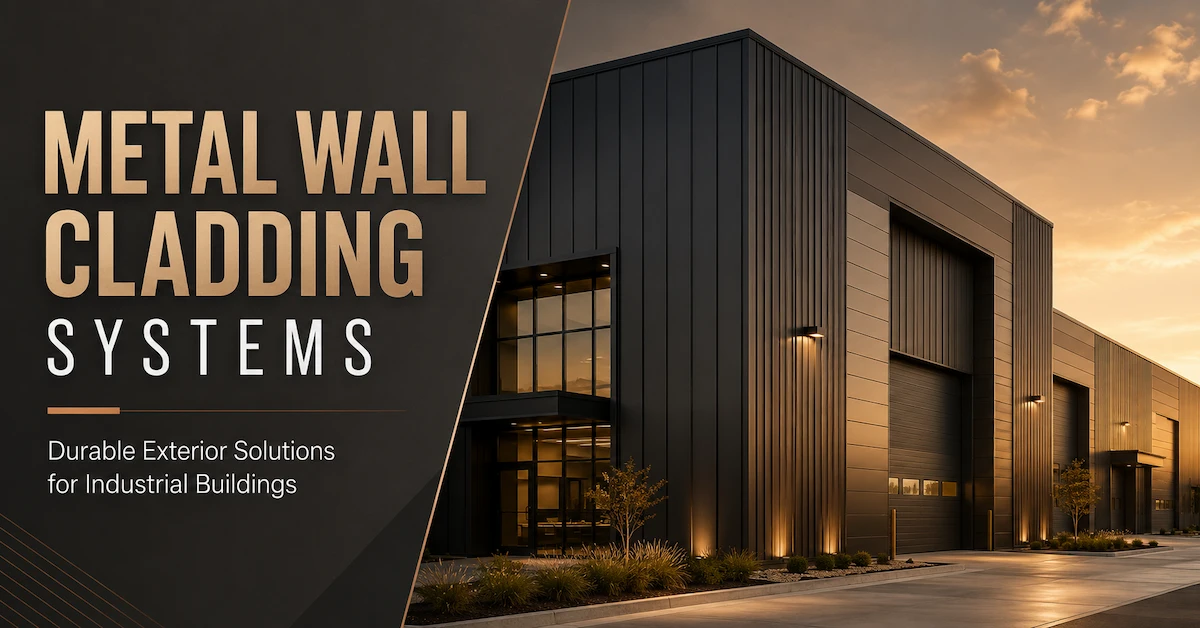
| Metal Wall Panel | Strong and widely used | Standard industrial buildings |
| Composite Wall Panel | Multiple functions including insulation | Commercial and industrial projects |
For livestock and humid environments, PVC/PU-based wall panels can provide advantages in moisture resistance, cleaning, and corrosion protection.
Application Scenario 1: Industrial Buildings
Factories and workshops often require wall systems that can withstand dust, humidity, temperature changes, and production environments.
For industrial buildings, wall cladding panels should provide:
- Stable structure
- Thermal performance
- Moisture resistance
- Easy maintenance
- Long service life
PU insulation wall panels are often used where temperature control and energy efficiency are important.
Application Scenario 2: Warehouses and Logistics Centers
Warehouse walls protect stored products, machinery, packaging, and inventory. Poor wall insulation or moisture resistance may affect storage conditions.
For warehouse projects, buyers should consider:
- Wall insulation requirements
- Local climate
- Indoor temperature needs
- Moisture exposure
- Cleaning requirements
- Installation speed
Wall cladding panels can work together with roofing systems to create a more complete building envelope.
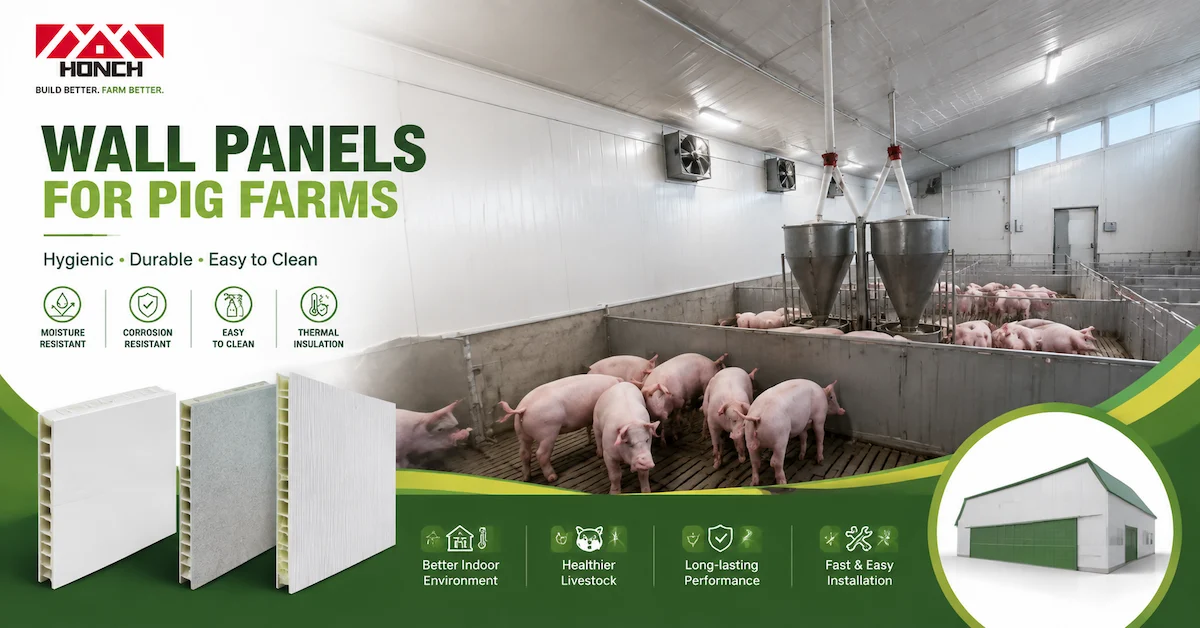
Application Scenario 3: Livestock Buildings
Livestock buildings such as poultry houses and pig farms create challenging wall environments due to:
- High humidity
- Ammonia exposure
- Cleaning water
- Temperature fluctuations
Traditional wall materials may absorb moisture or become difficult to maintain.
PVC and PU wall panels are suitable for livestock buildings because they provide:
- Moisture resistance
- Easier cleaning
- Corrosion resistance
- Better thermal control
- Long-term durability
HONCH provides wall, ceiling, and roofing solutions for livestock buildings to support standardized farm construction.
Application Scenario 4: Food Processing and Clean Buildings
Food processing facilities and clean production areas often require wall materials that are easy to clean and resistant to moisture.
Wall cladding panels can help create:
- Smooth surfaces
- Easier maintenance
- Better hygiene conditions
- Improved insulation performance
For these projects, buyers should evaluate panel surface quality, connection design, sealing performance, and cleaning requirements.
Key Specifications Buyers Should Confirm
Before ordering from a wall cladding panels manufacturer, buyers should confirm detailed specifications.
| Item | What Buyers Should Check |
| Material | PVC, UPVC, PU composite, metal, or other materials |
| Thickness | Based on insulation needs and application |
| Panel Structure | Single layer or composite structure |
| Width | Standard and effective coverage width |
| Length | Standard or customized length |
| Surface | Smooth, textured, easy-clean, UV-resistant finish |
| Insulation Core | PU or other insulation material if required |
| Color | White, grey, blue, or custom colors |
| Connection Method | Joint design and installation method |
| Accessories | Corner profiles, fasteners, sealing components |
| Application | Factory, warehouse, livestock building, food processing facility |
| Packaging | Export packing or private label packaging |
A reliable supplier should help buyers select wall panels according to building function, climate, and maintenance expectations.
Wall Cladding Panels vs Traditional Wall Materials
| Comparison Item | Wall Cladding Panels | Traditional Wall Materials |
| Installation | Faster modular installation | Usually longer construction process |
| Insulation Options | Available with composite insulation structures | Depends on wall design |
| Moisture Resistance | Better with suitable PVC/PU materials | Depends on surface treatment |
| Maintenance | Easier cleaning and replacement | May require more repair |
| Application Range | Industrial, agricultural, commercial buildings | General construction |
| Customization | More flexible colors and structures | Usually limited |
For modern industrial and agricultural buildings, wall cladding systems provide a more flexible solution.
Wall Cladding and Roofing Systems Should Work Together
A building envelope is not only about walls. Roof and wall systems should be designed together to improve:
- Waterproofing
- Thermal performance
- Air tightness
- Building durability
- Installation efficiency
HONCH supplies both roofing and wall solutions, allowing buyers to combine:
- UPVC/APVC roof panels
- PU insulation wall panels
- PVC ceiling panels
- Ridge caps
- Corner accessories
This system approach helps reduce compatibility problems during installation.
OEM/ODM Support for Wall Cladding Panels
Many distributors and project contractors need customized wall solutions for different markets.
OEM/ODM options may include:
- Custom panel thickness
- Custom length
- Custom color
- Surface design
- Connection structure
- Packaging design
- Private label support
- Roof and wall system combinations
For example:
- A livestock project may require wall panels with ceiling and roofing systems.
- A warehouse project may need customized insulation thickness.
- A distributor may need branded packaging and standard colors.
A capable wall cladding panels manufacturer should support both standard supply and project customization.
How to Choose a Reliable Wall Cladding Panels Manufacturer
Before selecting a supplier, buyers should evaluate:
- Does the supplier understand industrial and agricultural applications?
- Can they explain different wall panel materials?
- Are technical specifications clearly provided?
- Can they recommend insulation solutions?
- Are matching accessories available?
- Does the supplier support OEM/ODM customization?
- Can they provide export packaging?
- Are quality documents available?
- Do they have project application experience?
- Can they provide technical communication during purchasing?
HONCH Technology focuses on roofing, wall, ceiling, and accessory systems for industrial, agricultural, and commercial applications.
Cost Factors Buyers Should Consider
Wall cladding panel cost depends on:
- Material type
- Panel thickness
- Insulation structure
- Surface finish
- Custom requirements
- Order quantity
- Accessories
- Packaging
- Shipping destination
The lowest price may not always provide the best value. Buyers should compare:
- Service life
- Insulation performance
- Maintenance requirements
- Installation efficiency
- Supplier support
Why Choose HONCH as Your Wall Cladding Panels Manufacturer?
HONCH provides building material solutions for demanding environments.
Advantages include:
- PU insulation wall panels
- PVC wall solutions
- UPVC/APVC roofing systems
- Ceiling and accessory products
- OEM/ODM customization
- Export support for international buyers
- Complete roof and wall system matching
For factories, warehouses, livestock buildings, and agricultural projects, HONCH helps buyers build more durable and efficient building envelopes.
Buyers can review applications through the Engineering Case page or contact HONCH through the Contact Us page.
FAQ
1. What are wall cladding panels?
Wall cladding panels are building panels installed on walls to provide protection, insulation, and improved appearance.
2. Are PVC wall panels suitable for livestock buildings?
Yes. PVC wall panels are suitable for livestock buildings because they resist moisture, are easy to clean, and provide corrosion resistance.
3. What are PU insulation wall panels used for?
PU insulation wall panels are used where thermal insulation, moisture protection, and temperature control are important.
4. Can wall cladding panels be customized?
Yes. Manufacturers can customize thickness, length, color, surface, connection method, and packaging.
5. Do wall cladding panels need matching accessories?
Yes. Corner profiles, sealing components, and fasteners help improve installation quality.
6. How do I choose a wall cladding panels manufacturer?
Evaluate material options, technical support, customization ability, project experience, certifications, and export capability.
Conclusion
Choosing the right wall cladding panels manufacturer helps buyers improve building durability, insulation performance, moisture protection, and long-term maintenance efficiency.
For industrial buildings, warehouses, livestock farms, and agricultural projects, wall systems should be selected according to environmental conditions, insulation requirements, and application needs.
HONCH supplies PU insulation wall panels, PVC wall panels, roofing systems, ceiling panels, and accessories for complete building solutions. Contact HONCH to discuss your project requirements, specifications, samples, and OEM/ODM needs.