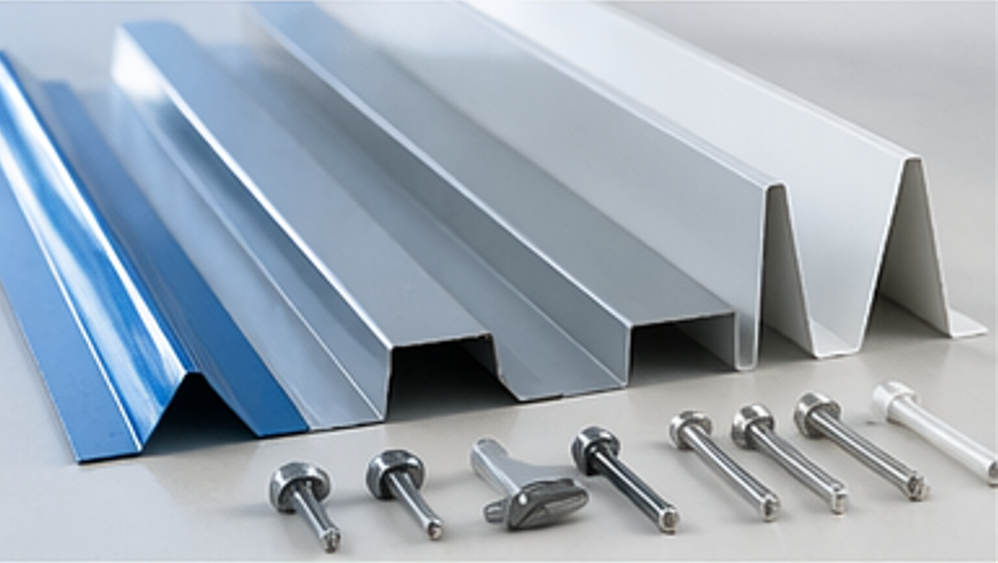
Choosing a reliable roofing panels manufacturer is not only a purchasing decision—it is a long-term engineering choice that directly affects building lifespan, energy efficiency, and maintenance cost. In industrial and agricultural environments, roofing systems are constantly exposed to corrosion, humidity, chemical gases, and thermal stress.
Learn more about our company background here:
HONCH About Us
A poor material selection can lead to structural degradation, leakage, and frequent replacement costs. This guide explains how modern roofing systems solve these challenges and how buyers can evaluate the right supplier for long-term projects.
The Real Pain Points Behind Roofing System Failures
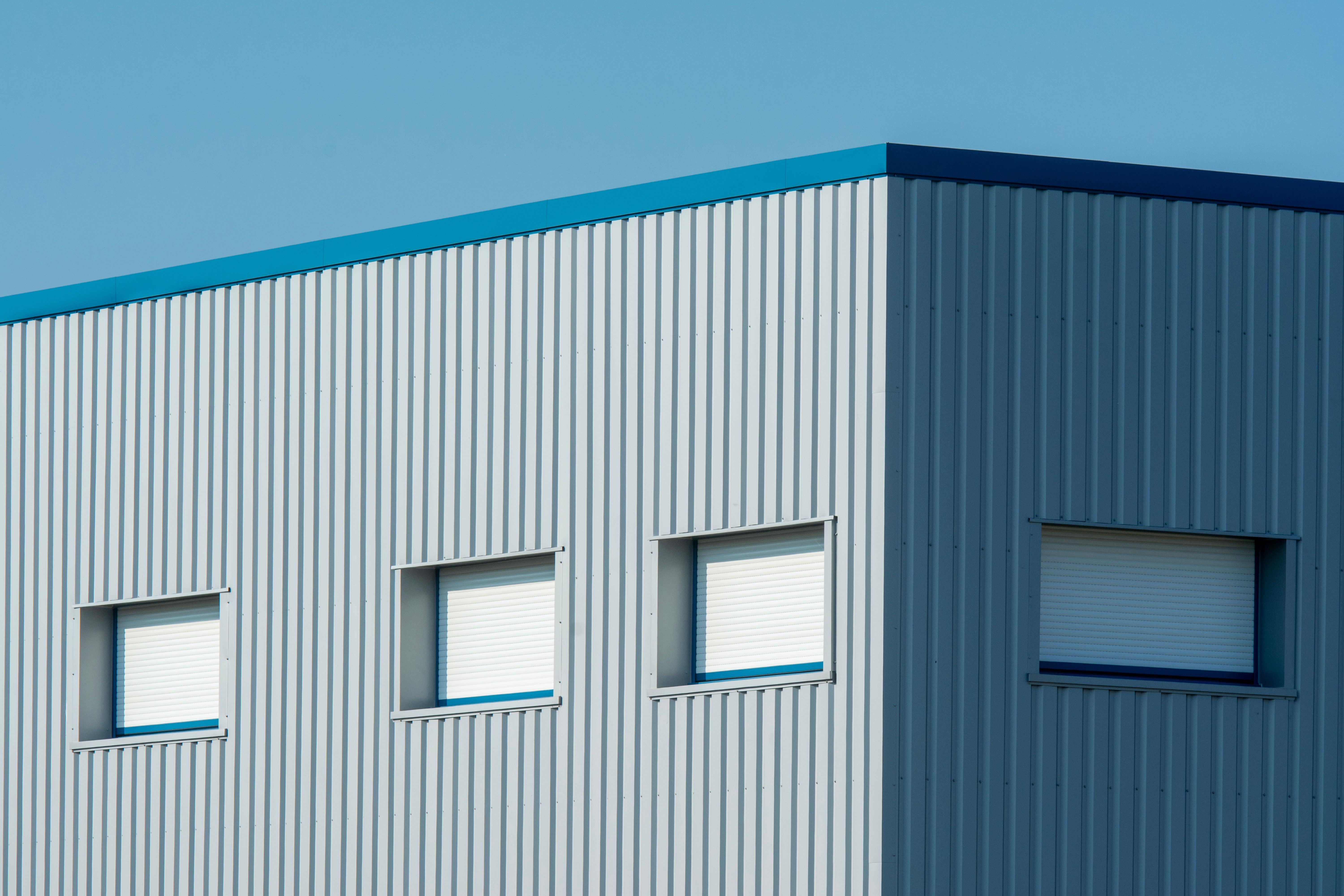
In many industrial and agricultural environments, roofing materials fail much earlier than expected. The most common issues include corrosion caused by acid or ammonia gases in livestock buildings, rapid heat conduction in metal roofs, and deformation under extreme weather conditions.
Traditional metal sheets often suffer from rust, coating peeling, and high maintenance frequency. These recurring failures highlight the need for advanced engineered roofing solutions rather than basic sheet materials.
Explore full product applications:
HONCH Roofing Products
How Modern Roofing Panels Solve Structural and Environmental Challenges
A modern roofing panels manufacturer typically develops multi-layer composite systems designed to solve multiple environmental stresses at once.
For example, UPVC-based systems use anti-corrosion polymer surfaces that resist acid rain, ammonia, and chemical exposure, while inner layers provide insulation and structural stability.
This layered engineering approach significantly improves durability and reduces deformation under long-term exposure.
Roofing Panels Manufacturer vs Traditional Metal Roofing Systems
When comparing a professional roofing panels manufacturer solution with traditional metal roofing, the differences are structural, not just cosmetic.
Metal roofing systems require frequent repainting and maintenance due to oxidation. In contrast, engineered roofing panels maintain stable performance even in chemically aggressive environments.
Over a full lifecycle, engineered panels offer significantly lower total cost of ownership.
Engineering-Based Roofing Solutions for Long-Term Reliability
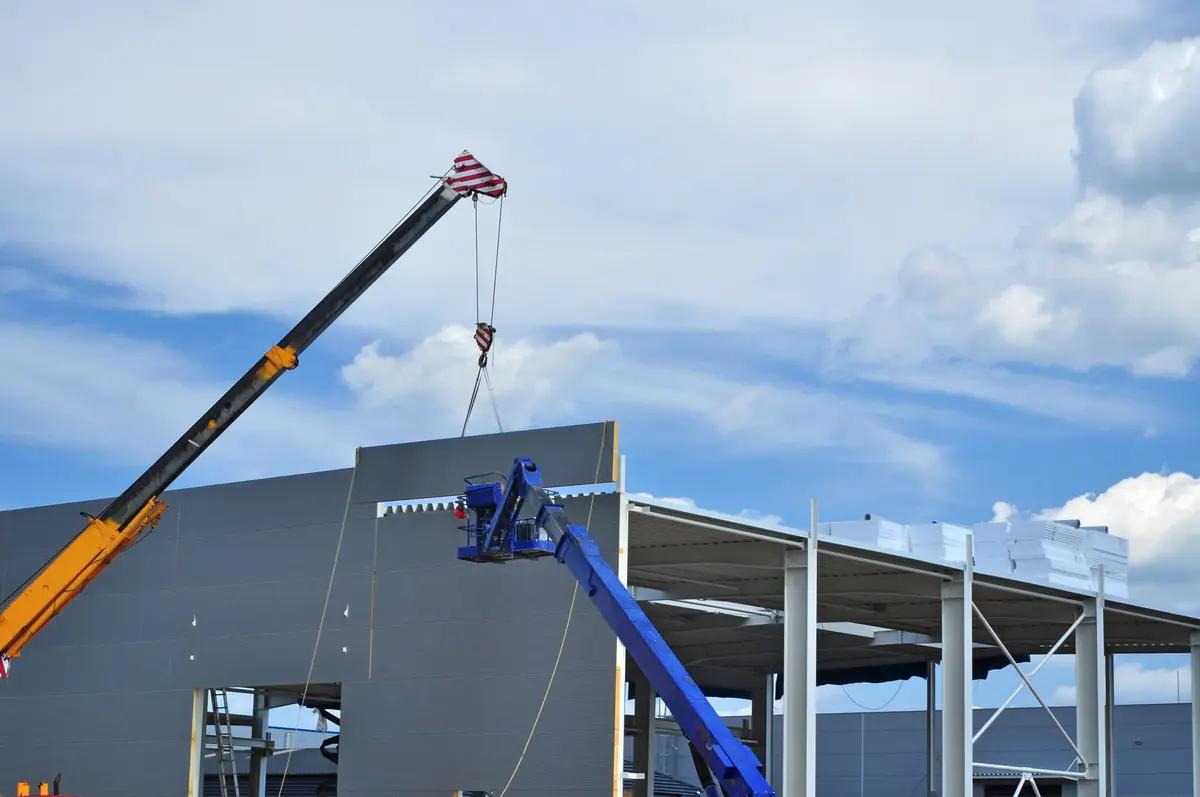
A high-quality roofing panels manufacturer does not simply produce sheets; it designs complete building envelope systems.
In industrial applications, UPVC roofing sheets are widely used for corrosion resistance, while PU-insulated sandwich panels are preferred for temperature-controlled environments.
View real engineering applications here:
HONCH Engineering Cases
Key Advantages of Modern Roofing Panel Systems
Modern roofing systems provide several engineering and operational advantages:
- Corrosion resistance
- Thermal insulation
- UV protection
- Structural stability
- Reduced maintenance cost
These advantages make them suitable for long-term industrial and agricultural infrastructure.
Application Scenarios Across Industrial and Agricultural Projects
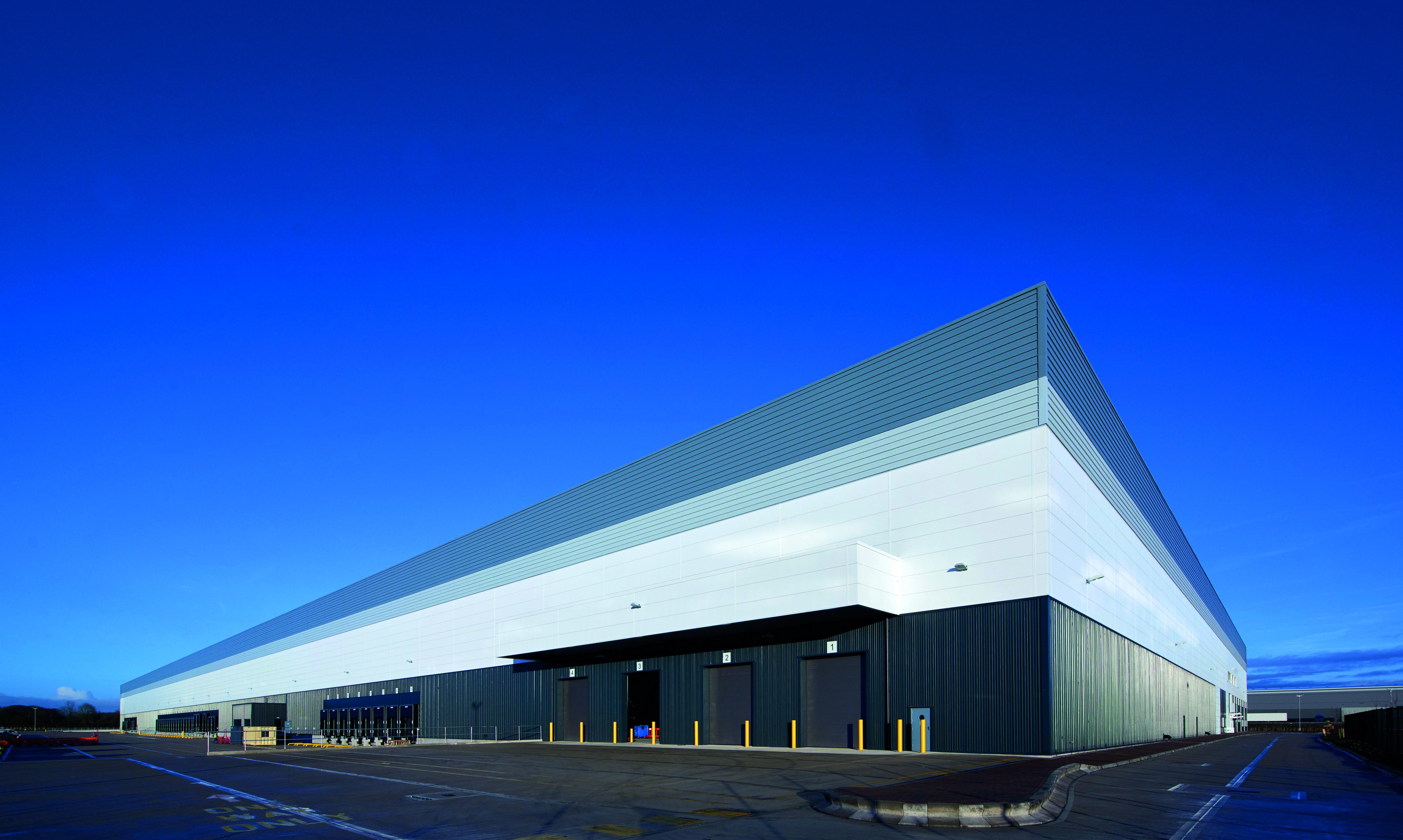
A professional roofing panels manufacturer supplies solutions across multiple industries:
- Chemical plants (acid corrosion environments)
- Poultry farms (ammonia exposure)
- Warehouses (temperature control)
- Industrial factories (high durability demand)
Each environment requires a tailored roofing system rather than a universal material.
Selection Guide: How to Choose the Right Roofing Panels Manufacturer
When selecting a roofing panels manufacturer, buyers should evaluate:
- Material system (UPVC / ASA / PU insulation)
- Thickness and load capacity
- Customization ability (OEM/ODM support)
- Engineering project experience
A reliable supplier should provide both product supply and system-level engineering support.
FAQ
Q1: What is the lifespan of roofing panel systems?
High-quality systems significantly outperform traditional metal roofing in corrosive environments.
Q2: Are roofing panels suitable for chemical plants?
Yes, anti-corrosion systems are designed for acid and chemical exposure environments.
Q3: Can roofing panels reduce energy costs?
Insulated systems reduce heat transfer and lower cooling demand.
Q4: What is the difference between roofing panels and metal sheets?
Roofing panels are engineered multi-layer systems, while metal sheets are single-layer materials.
Conclusion
Selecting the right roofing panels manufacturer is a strategic decision affecting durability, cost efficiency, and long-term building performance.
If you are planning an industrial or livestock roofing project, explore our full solutions here:
Contact HONCH for Engineering Support
Modern roofing systems are not just materials—they are engineered solutions for long-term infrastructure reliability.