

PVC Roofing Sheet Manufacturer Selection Guide for Chemical Plants, Coastal Factories and Industrial Warehouses
Selecting a roof for a chemical plant, coastal factory or industrial warehouse is a procurement decision with consequences far beyond the first material invoice. The roof must remain stable while it faces humidity, salt spray, chemical vapour, dust, wash-down water, wind uplift, thermal movement and years of maintenance access. A specification that looks economical on day one can become expensive when fasteners corrode, panels crack, interiors become too hot, or a production line must stop for repairs. This guide gives project buyers a practical nine-step method for comparing materials and suppliers before they release a purchase order.
The most useful starting point is to define the building environment and the business risk attached to failure. A roof over a dry warehouse has a different duty from a roof above fertilizer storage, a coastal processing plant or a workshop that vents corrosive fumes. That is why the right buying process asks about service conditions, not simply color and price. It also separates product performance from supplier performance: a durable panel is only valuable when its dimensions, packaging, documentation and delivery schedule are controlled.
HONCH supplies PVC, UPVC and APVC roofing solutions for industrial and agricultural buildings. In this guide, the linked product terms are used as practical reference points for a specification conversation. A buyer can review the T920, T930, T1130 and T910 product pages, then send the same project data to the factory for a comparable quotation. The aim is a clear, auditable RFQ that lets engineering, purchasing and the supplier evaluate the same requirements.
The nine steps below cover application analysis, material selection, profile and thickness, performance validation, structural coordination, supplier due diligence, total cost, sample approval and the final RFQ. Each step includes questions a procurement team can put into its internal checklist. At the end, the buyer will also find a comparison table, a quotation template outline and FAQs for industrial roofing projects.
1. Define the operating environment before comparing products
Begin with a written exposure map for every roof zone. Record whether the building is inland, coastal or exposed to industrial emissions; the prevailing wind direction; the distance to the shoreline; the presence of acids, alkalis, solvents, chlorine, ammonia or fertilizer dust; and the frequency of washing or condensation. Do not hide different zones under one broad label such as industrial. A warehouse beside a chemical process line can experience a very different atmosphere from the warehouse entrance, even when both are under the same roof.
Describe the operating pattern as carefully as the climate. Continuous production creates a different temperature and humidity cycle from a building used for eight hours per day. A roof above a hot process, a boiler room or a drying line may need more attention to thermal movement and ventilation. A cold store loading area may have condensation at the underside. A coastal factory may combine salt, strong sunlight and wind-driven rain. Writing these conditions down helps the supplier recommend a product family and installation detail that match the duty instead of guessing from a photograph.
Translate environmental conditions into failure consequences. A small leak over a general storage aisle is inconvenient; a leak over electrical equipment, raw material, finished goods or a clean production area may be a serious operational event. Corrosion that weakens a fastener line can create a safety issue even before a panel visibly fails. Procurement should therefore rank the roof by consequence class: nuisance, maintenance disruption, production risk, product contamination risk or safety risk. The class will influence inspection, warranty, spare stock and approval requirements.
A useful internal document is a one-page roof duty sheet. It should name the building, roof area, slope, support spacing, design wind and snow loads where applicable, temperature range, expected service life, chemical exposure, cleaning method, fire requirements, color, delivery location and target installation date. Attach photographs and a simple plan showing exhausts, rooflights, gutters and penetrations. A supplier can then respond to a defined brief, and competing offers can be compared without allowing each bidder to assume a different application.
Also record what the roof must not do. It must not contaminate stored goods, shed flakes into a process area, create a slippery maintenance route or require repeated shutdowns for coating repair. These negative requirements are often more useful than a generic request for premium quality. They tell the manufacturer which risks need evidence and which accessories need to be included. When the buyer understands the cost of failure, the initial material price can be placed in its proper context.
2. Compare PVC, UPVC, APVC and alternative roof systems
The second step is to compare material families by failure mode rather than by marketing language. Galvanized or coated metal can be strong and familiar, but its long-term behavior depends on coating integrity, cut edges, fasteners, condensation and the surrounding atmosphere. PVC-based roofing systems are attractive where corrosion, moisture and maintenance burden matter because the polymer does not rust and can be selected for the expected chemical and weather environment. The comparison still needs engineering review: no material should be chosen solely because it is described as corrosion resistant.
PVC, UPVC and APVC terms are not interchangeable in a technical schedule. Ask the supplier to state the formulation, reinforcement or layer structure, nominal thickness, profile, useful width, maximum production length, color layer and quality controls. Where a weatherable ASA surface is offered, clarify whether it is a co-extruded cap, its thickness and how color stability is evaluated. A buyer should also ask what data is available for thermal expansion, impact, load, fire behavior and chemical exposure. Clear definitions prevent an apparently similar product from being substituted with a lower-duty version.
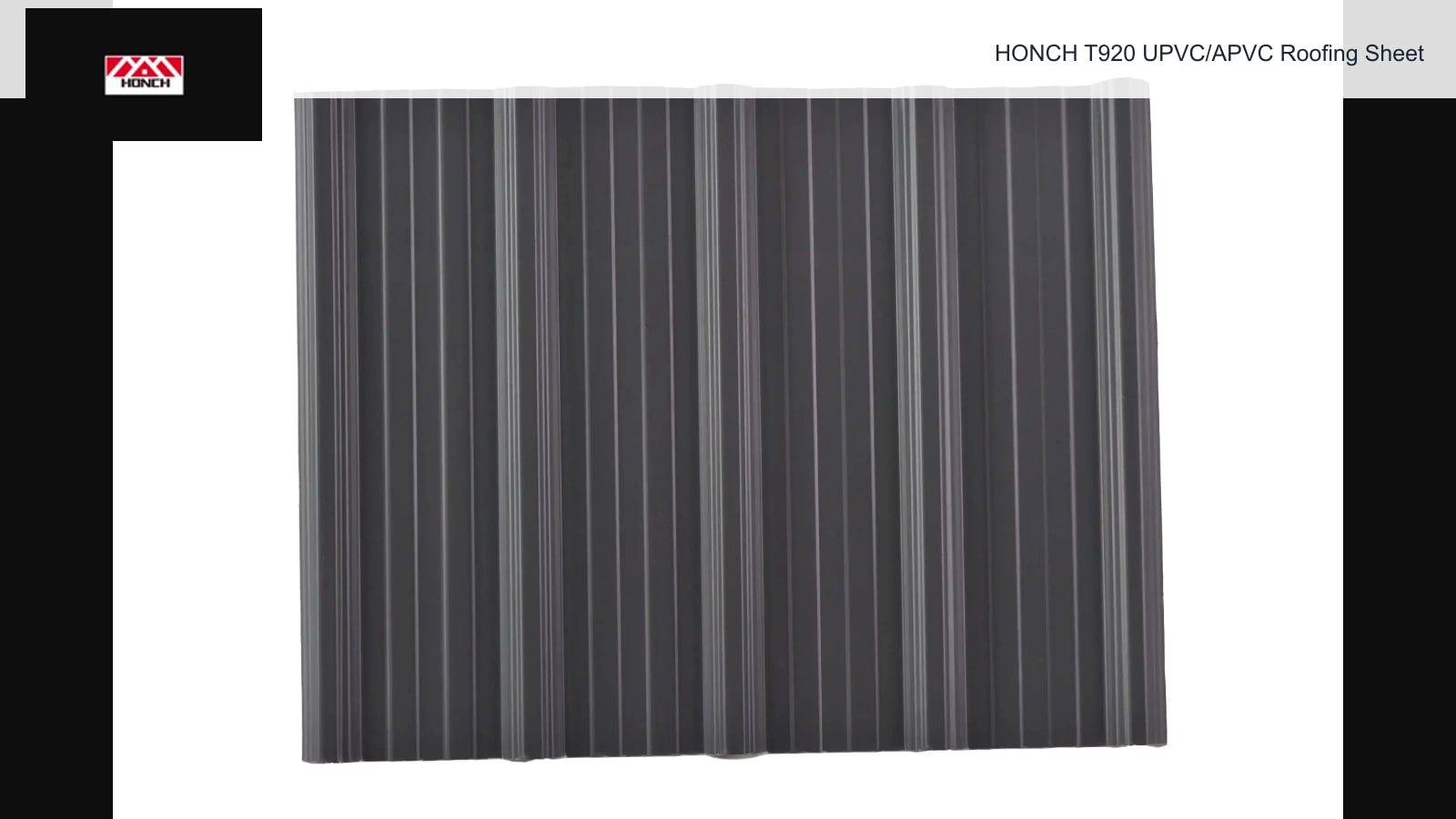
The product family should follow the roof's job. For a conventional industrial roof, the UPVC Roofing Sheet Supplier reference point is the T920. For higher concern about harsh exposure, the APVC Roofing Sheet Manufacturer reference point is the T930. Where an architectural tile appearance is required, review ASA Synthetic Resin Roof Tiles and the capabilities of a Synthetic Resin Roof Tile Manufacturer. For a small ceiling or lining application, a buyer can also compare the T910 page linked through PVC Roofing Sheet Manufacturer, while confirming that the product is suitable for the intended roof or ceiling duty.
Do not use a generic metal-versus-plastic scorecard without considering the complete assembly. A roof panel, purlin, fastener, washer, flashing, ridge, gutter, sealant and ventilation detail work together. A corrosion-resistant sheet fixed with an unsuitable carbon-steel fastener can still produce staining and premature failure. Conversely, a good sheet installed with excessive screw torque can crack or distort. The material decision is therefore a system decision, and the supplier quotation should list the accessories needed to maintain the claimed performance.
Ask the supplier to describe the boundary of each recommendation. A product suitable for a humid warehouse may not be appropriate beside concentrated acid vapour. A product designed for a low-slope roof may not be suitable where snow drifts create local loading. A transparent answer is more valuable than a broad promise because it gives the engineer a clear basis for approval. It also allows procurement to request a second option when the first recommendation does not fit the building's risk profile.
3. Match profile, thickness and effective cover to the structure
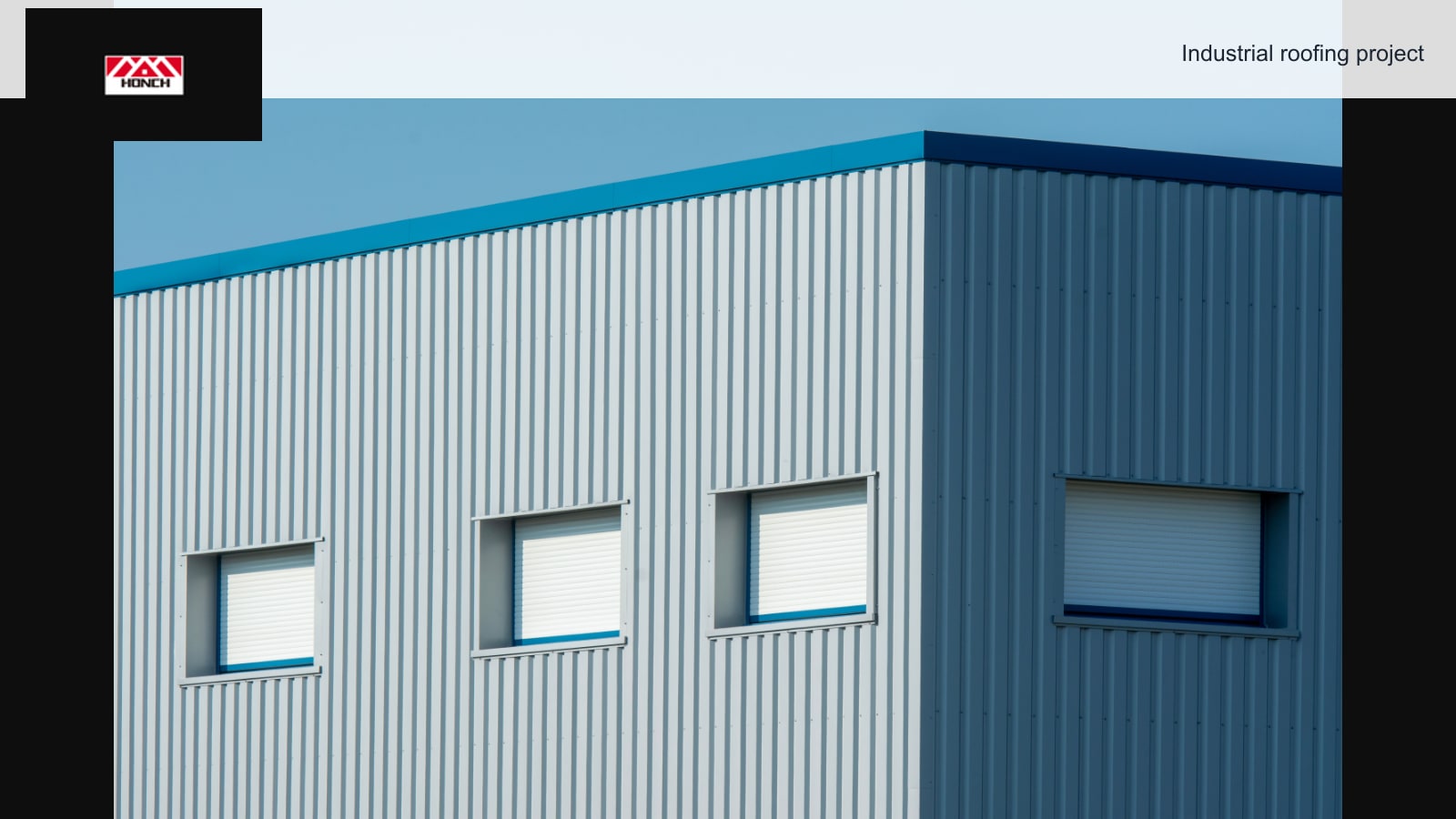
Profile geometry controls drainage, overlap, stiffness and the amount of material that reaches the supports. Corrugated PVC roofing sheets can be effective when the corrugation matches the supporting structure and the lap is detailed for the site's rainfall and wind. Trapezoidal or tile-like profiles may suit different visual and structural requirements. Ask for the effective cover width rather than only the overall width. Two sheets with the same nominal width may produce different installed quantities after side laps are included.
Thickness should be selected from load, support spacing, handling and service requirements. A thicker sheet is not automatically the right sheet if the purlin spacing, screw pattern or slope is wrong. Request the recommended maximum support spacing, end lap, side lap, screw spacing and minimum roof pitch for the exact profile. Confirm whether the values apply to simply supported spans, to a stated wind load, or to a particular installation direction. These details belong in the technical submittal, not in an informal email after the purchase order.
Length planning reduces joints, but long sheets also create handling and thermal movement considerations. Measure the roof run, account for eaves, ridge and end laps, and check whether the factory can produce the requested length without exceeding transport limits. For a building with multiple roof slopes, sort the cut list by zone and include a small allowance for damaged or modified pieces. The quotation should state whether cut-to-length service, protective film, palletization and unloading support are included.
Ask for drawings or datasheets that show the profile in millimetres. A serious buyer should be able to verify height, pitch, cover width, thickness tolerance and accessory compatibility. If the building is being designed by an engineer, issue the supplier profile drawing to the design team before finalizing purlin locations. A few millimetres of mismatch can lead to unsupported laps, misaligned screws or a ridge cap that does not seal correctly. Profile data also makes later replacement orders easier because the installed geometry is documented.
Use a quantity take-off based on effective cover, not a simple division by overall width. Add end-lap and cutting allowances by roof zone, then separate standard lengths from special lengths. This method prevents the common error of ordering a visually attractive profile that creates excessive waste at valleys or roof penetrations. It also gives the supplier a clean schedule for production, bundling and labeling, which improves delivery accuracy on large sites.
4. Validate corrosion, weather, fire and water-management requirements
Performance validation should start with the environment-specific risks identified in step one. For a chemical plant, request the supplier's chemical-resistance guidance and identify any substances that are not recommended. For a coastal project, ask how the roof system addresses salt-laden air, UV exposure, wind-driven rain and fastener corrosion. For an industrial warehouse, evaluate heat, condensation, impact from maintenance work and the cleaning method. The goal is not to collect an impressive list of generic claims; it is to confirm that the claimed performance addresses the actual exposure.
Weatherability deserves a separate conversation. Roof color, surface temperature, UV exposure and thermal cycles can influence long-term appearance and movement. If the project is customer-facing or located in a high-sun region, ask about the outer layer and color-retention approach. If the roof sits above a temperature-sensitive area, discuss insulation, ventilation and whether a light color or reflective strategy is appropriate. A sheet can resist rain and corrosion while still allowing an interior to overheat if the overall roof design ignores solar load.
Fire and safety requirements must be verified against the project's jurisdiction and building classification. Ask which test reports or declarations are available for the exact product and thickness, and make sure the report is not for a different formulation. The supplier should also identify limitations around hot work, penetrations, exhaust outlets and adjacent materials. Where a project includes insurers, a fire engineer or a public tender, send the technical documents for pre-approval rather than assuming that a product description will satisfy the requirement.
Water tightness depends on details as much as on the sheet. Review end laps, side laps, ridge closures, flashing interfaces, gutters, roof penetrations and the treatment of cut edges. A well-designed roof directs water away from overlaps and prevents capillary entry. Ask for installation instructions with diagrams and for the recommended sealant or gasket. Include a simple inspection plan: check sheet orientation, lap direction, screw washer seating, damage to the surface, gutter falls and all penetrations before the roof is handed over.
Ask for a maintenance and cleaning recommendation in writing. Some aggressive solvents or abrasive tools can damage a weathering layer even when rain and ordinary dust do not. The site team needs to know how to remove process dust, bird residue, algae or salt deposits without creating a new surface problem. This information should be included in the handover pack and communicated to contractors who may later install ducts, solar equipment, signs or safety lines on the roof.
5. Coordinate the roof assembly with structure and installation
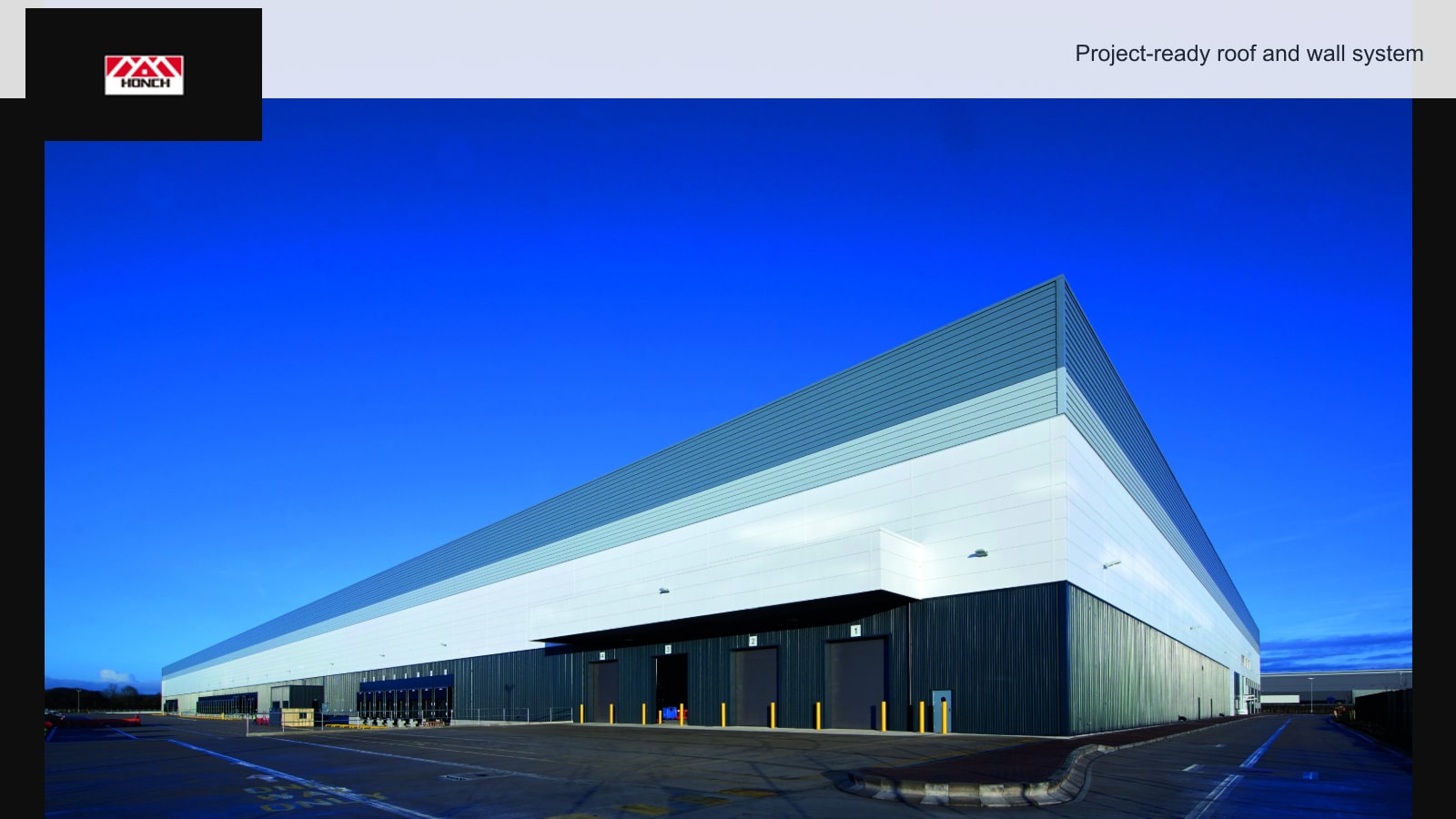
Coordinate the roof with the structure before issuing the purchase order. The supplier needs the purlin type, support spacing, slope, roof dimensions and expected loads. The structural engineer needs the selected profile, thickness, fastener layout and any assumptions in the supplier's span table. This two-way review is particularly important for long industrial buildings where wind uplift at the perimeter and corners can exceed the pressure in the central roof field. A procurement price is not a design approval; the installed system must be checked by the responsible project team.
Fasteners and accessories deserve the same attention as the main sheet. Use corrosion-compatible screws, washers and brackets recommended for the environment. Confirm whether the fastener is designed for metal purlins, timber or another support, and whether the washer remains flexible through the expected temperature range. Avoid mixing unapproved sealants or painting over a weathering layer without guidance. The bill of materials should show screws by type and length, washers, ridge pieces, flashing, closures, sealant, gutters and any spare pieces.
Installation quality is easier to control when the supplier provides a method statement. It should explain storage, lifting, cutting, walking on the roof, drilling, fixing torque, overlap direction, temperature movement and cleaning. Panels should be protected from dragging across one another and stored level, dry and supported. Cutting should be done with suitable tools that do not create excessive heat or contaminate the surface. The installer should record the batch, color, thickness, weather during installation and any deviations that require approval.
Plan maintenance access during the design stage. If technicians will walk to fans, skylights or exhausts, define walkways or protective platforms instead of expecting the roof sheet to carry unplanned traffic. Place penetrations where they can be flashed and inspected. Keep gutters accessible for cleaning and provide a safe means of reaching them. A roof designed for maintenance costs less over its life than a roof that forces workers to improvise access after the building is operating.
Coordinate openings with the roof supplier and the mechanical contractor. Exhaust fans, ducts, smoke vents and cable trays all create opportunities for leaks if the flashing sequence is unclear. Use a penetration schedule with dimensions, locations and responsible trades. Do not let a later contractor cut through a panel without written approval and a repair detail. A clean interface plan protects the warranty and makes the final inspection much more predictable.
6. Audit supplier quality, documentation and export capability
Supplier evaluation should cover manufacturing control, communication and delivery discipline. Ask how raw materials are received, how thickness and profile are checked, how color batches are controlled, and how nonconforming products are isolated. Request a sample, a current datasheet, a profile drawing and a sample inspection report. A supplier that can explain its process clearly is easier to manage when the project includes multiple colors, mixed lengths or repeat orders.
For export projects, confirm packaging and logistics at the quotation stage. Long panels can be damaged by poor stacking, inadequate edge protection or water trapped inside packaging. The supplier should state bundle dimensions, approximate weight, loading method, container utilization and moisture protection. Clarify whether the quote is EXW, FOB, CIF, DAP or another basis, and identify who is responsible for unloading and local delivery. Include the destination port, customs documents and preferred shipping window so the factory can plan realistically.
Quality documentation should be matched to the exact purchase order. The certificate or report should identify the product, profile, thickness, color, lot or production date and the relevant test method. Keep the approved sample, drawing and written deviations with the order. If the project requires inspection before shipment, define the inspection points and acceptance limits in advance. A buyer who only asks for a certificate may receive a document that cannot be traced to the delivered material.
Communication is also a quality factor. Establish one technical contact and one commercial contact, set a response expectation, and agree how changes are approved. The supplier should flag any requested dimension outside standard production capability before manufacturing begins. Use a revision-controlled purchase order and ask for a packing list with bundle numbers. These simple controls reduce the chance of a correct product being sent to the wrong project or a last-minute substitution being accepted without engineering review.
Check whether the supplier can support repeat orders. Industrial owners often expand a warehouse, add a production bay or repair a section years after the original construction. Ask how the factory records profile drawings, colors and production specifications. A stable record system can be more valuable than a small initial discount because it protects compatibility and reduces the risk of receiving a visually similar but dimensionally different sheet in a later phase.
7. Compare landed cost and lifecycle value
Calculate total cost over the planned service period, not just the price per square metre. Add accessories, fasteners, transport, unloading, installation labor, safety measures, waste, maintenance access and the cost of replacing damaged pieces. A lighter quotation may have a narrower effective cover width or omit ridge and flashing components. Normalize every offer to the same installed area and the same list of accessories before comparing totals.
Lifecycle cost should include the cost of corrosion-related maintenance, repainting, replacement and production interruption. A roof that does not rust can reduce some maintenance tasks, but it still needs inspection, cleaning and correct repair. Ask how replacement sheets will be matched five or ten years later and whether the supplier keeps profile records. For a multi-building site, standardizing the profile can reduce spare inventory and simplify training, even if another profile has a slightly lower initial price.
Energy and comfort can also influence the business case. Surface color, roof ventilation, insulation and natural lighting affect indoor temperature and the workload on fans or cooling equipment. In a hot warehouse, a roof that lowers heat gain can support storage quality and worker comfort. In a coastal or humid site, improved ventilation can reduce condensation risk. These benefits should be estimated by the project engineer rather than claimed as guaranteed savings, but they belong in the decision.
Build a comparison sheet with separate columns for material, formulation, profile, thickness, effective width, length, accessories, warranty, delivery, documentation, installation guidance and total landed cost. Score each item against the project duty sheet. Make assumptions visible, especially where a supplier has not stated a value. Procurement can then negotiate from facts: request a better price for a defined quantity, ask for a missing test document, or remove a feature that the application does not need without weakening the roof.
Use scenario analysis for high-value projects. Compare a normal-maintenance case, a harsh-exposure case and a disruption case in which a section must be repaired during production. The point is not to invent a precise future number; it is to make hidden risk visible to the decision makers. When the procurement team can show why a small increase in material or accessory cost reduces a larger operational exposure, approval becomes more rational and less dependent on the lowest line item.
8. Approve a sample, mock-up and inspection plan
A sample approval should be more than a color check. Ask for a full-size piece or a representative section that shows the actual profile, surface, layer structure and edge. Compare the sample with the approved drawing and verify dimensions with a calibrated method. If the project is exposed to unusual chemicals, confirm the proposed product with the technical team before ordering volume. Where possible, inspect a completed reference installation that operates under similar conditions.
Use the sample to test handling and installation assumptions. Can workers lift the bundle safely? Does the panel cut cleanly without excessive edge damage? Does the washer seat correctly on the crest or valley? Do the ridge, flashing and closure pieces align? Are the labels clear enough to separate different lengths? A short mock-up often reveals practical issues that a brochure cannot show, including access around penetrations and the way water leaves the lap.
Record acceptance criteria in a signed submittal. The record should include product code, profile drawing, nominal thickness, color, surface layer, accessory list, installation method, test documents, warranty language and any approved deviation. Take photographs of the approved sample and store them with the purchase order. When the shipment arrives, the site team can compare bundles against the record instead of relying on memory or an informal message.
A pilot roof area can be useful for a large or high-risk project. Install one representative bay, inspect drainage after rain or a controlled water test, review the underside for condensation, and gather feedback from the installer and maintenance team. Correct details before production installation starts. The pilot should not be treated as a substitute for engineering approval, but it is a practical way to discover coordination problems while they are still inexpensive to fix.
Define the receiving inspection before the truck or container arrives. Check bundle labels, quantity, color, profile, visible damage, moisture, packaging condition and accompanying documents. Photograph any issue before unloading or cutting. Separate questionable pieces and notify the supplier using the agreed claim procedure. A disciplined receiving record protects the buyer without creating unnecessary conflict, because both parties can see the same evidence and decide whether a repair, replacement or credit is appropriate.
9. Send a complete RFQ that produces a comparable quotation
The final step is to send a complete request for quotation. State the building use, location, roof area, slope, support spacing, design loads, exposure, required profile, thickness range, color, lengths, accessories, packaging, delivery term and deadline. Attach a roof plan, section, photos, purlin layout and any required standards. Ask the supplier to identify assumptions and exclusions rather than silently filling gaps. A detailed RFQ creates a quote that can be evaluated by engineering and purchasing together.
Ask for two commercial options when the project genuinely allows them: a recommended specification and a value-engineered alternative. Require the supplier to explain the performance difference, not simply offer a lower grade. This gives the buyer a useful negotiation path and makes it easier to protect critical requirements such as corrosion exposure, fastener compatibility, wind-zone fixing and documentation. A value option is only useful when its limits are explicit and accepted by the project owner.
Use the product pages as a starting point for a technical conversation. A buyer evaluating Corrugated PVC Roofing Sheets, Anti Corrosion Roofing Sheets or Industrial PVC Roofing Sheets should ask for the exact model, thickness, effective width, span guidance and accessory schedule. Agricultural or mixed-use projects can also compare Poultry Farm Roofing Sheets, Pig Farm Roofing Sheets and a dependable Farm Roofing Sheet Supplier when the building has ammonia, moisture or frequent cleaning.
Finally, make the quotation easy to accept. Include a clear validity period, production lead time, payment milestones, inspection point, packing list, warranty scope, replacement policy and the documents supplied with the shipment. Invite the supplier to confirm any technical question in writing. When the roof duty, specification and commercial terms are aligned, the buyer can move quickly without sacrificing traceability. That is the foundation for a long-term supply relationship and a roof that performs as expected.
A high-quality RFQ also tells the supplier how the buyer will decide. State the evaluation factors, such as technical compliance, corrosion suitability, documentation, delivery confidence, installation support and landed cost. This discourages vague bids and encourages the factory to answer the real project question. It also makes internal approval easier because the final recommendation can be traced back to the requirements that were issued at the beginning.
Practical specification notes for project buyers
1. Project location, building use and roof duty. Put this item in the technical schedule and ask the supplier to answer it directly. A clear answer is easier to compare than a broad promise, and it gives the project team a written basis for approval, negotiation and future maintenance. Keep the response with the approved drawing and purchase order, then check it again when the shipment arrives. This simple record links the original requirement to the delivered material, installation method and handover information. It also makes repeat orders more accurate because a future buyer can see the actual profile, accessory package, environmental assumptions and inspection criteria instead of rebuilding the specification from memory.
2. Roof plan, slope, purlin spacing and design loads. Put this item in the technical schedule and ask the supplier to answer it directly. A clear answer is easier to compare than a broad promise, and it gives the project team a written basis for approval, negotiation and future maintenance. Keep the response with the approved drawing and purchase order, then check it again when the shipment arrives. This simple record links the original requirement to the delivered material, installation method and handover information. It also makes repeat orders more accurate because a future buyer can see the actual profile, accessory package, environmental assumptions and inspection criteria instead of rebuilding the specification from memory.
3. Chemical, salt, humidity, UV and wash-down exposure. Put this item in the technical schedule and ask the supplier to answer it directly. A clear answer is easier to compare than a broad promise, and it gives the project team a written basis for approval, negotiation and future maintenance. Keep the response with the approved drawing and purchase order, then check it again when the shipment arrives. This simple record links the original requirement to the delivered material, installation method and handover information. It also makes repeat orders more accurate because a future buyer can see the actual profile, accessory package, environmental assumptions and inspection criteria instead of rebuilding the specification from memory.
4. Required profile, thickness, color, lengths and quantity. Put this item in the technical schedule and ask the supplier to answer it directly. A clear answer is easier to compare than a broad promise, and it gives the project team a written basis for approval, negotiation and future maintenance. Keep the response with the approved drawing and purchase order, then check it again when the shipment arrives. This simple record links the original requirement to the delivered material, installation method and handover information. It also makes repeat orders more accurate because a future buyer can see the actual profile, accessory package, environmental assumptions and inspection criteria instead of rebuilding the specification from memory.
5. Effective cover width and accessory schedule. Put this item in the technical schedule and ask the supplier to answer it directly. A clear answer is easier to compare than a broad promise, and it gives the project team a written basis for approval, negotiation and future maintenance. Keep the response with the approved drawing and purchase order, then check it again when the shipment arrives. This simple record links the original requirement to the delivered material, installation method and handover information. It also makes repeat orders more accurate because a future buyer can see the actual profile, accessory package, environmental assumptions and inspection criteria instead of rebuilding the specification from memory.
6. Fastener, flashing and sealant compatibility. Put this item in the technical schedule and ask the supplier to answer it directly. A clear answer is easier to compare than a broad promise, and it gives the project team a written basis for approval, negotiation and future maintenance. Keep the response with the approved drawing and purchase order, then check it again when the shipment arrives. This simple record links the original requirement to the delivered material, installation method and handover information. It also makes repeat orders more accurate because a future buyer can see the actual profile, accessory package, environmental assumptions and inspection criteria instead of rebuilding the specification from memory.
7. Required test documents, samples and inspection point. Put this item in the technical schedule and ask the supplier to answer it directly. A clear answer is easier to compare than a broad promise, and it gives the project team a written basis for approval, negotiation and future maintenance. Keep the response with the approved drawing and purchase order, then check it again when the shipment arrives. This simple record links the original requirement to the delivered material, installation method and handover information. It also makes repeat orders more accurate because a future buyer can see the actual profile, accessory package, environmental assumptions and inspection criteria instead of rebuilding the specification from memory.
8. Packaging, shipping term, destination and delivery window. Put this item in the technical schedule and ask the supplier to answer it directly. A clear answer is easier to compare than a broad promise, and it gives the project team a written basis for approval, negotiation and future maintenance. Keep the response with the approved drawing and purchase order, then check it again when the shipment arrives. This simple record links the original requirement to the delivered material, installation method and handover information. It also makes repeat orders more accurate because a future buyer can see the actual profile, accessory package, environmental assumptions and inspection criteria instead of rebuilding the specification from memory.
9. Warranty scope, spare pieces and replacement support. Put this item in the technical schedule and ask the supplier to answer it directly. A clear answer is easier to compare than a broad promise, and it gives the project team a written basis for approval, negotiation and future maintenance. Keep the response with the approved drawing and purchase order, then check it again when the shipment arrives. This simple record links the original requirement to the delivered material, installation method and handover information. It also makes repeat orders more accurate because a future buyer can see the actual profile, accessory package, environmental assumptions and inspection criteria instead of rebuilding the specification from memory.
10. Quotation validity, payment milestones and technical contact. Put this item in the technical schedule and ask the supplier to answer it directly. A clear answer is easier to compare than a broad promise, and it gives the project team a written basis for approval, negotiation and future maintenance. Keep the response with the approved drawing and purchase order, then check it again when the shipment arrives. This simple record links the original requirement to the delivered material, installation method and handover information. It also makes repeat orders more accurate because a future buyer can see the actual profile, accessory package, environmental assumptions and inspection criteria instead of rebuilding the specification from memory.
Buyer comparison table
| Decision area | What to request | Why it matters |
|---|---|---|
| Exposure | Chemical, salt, UV, humidity and cleaning conditions | Determines material family, surface layer, accessory and inspection needs |
| Geometry | Profile drawing, effective width, thickness, support spacing and laps | Controls quantities, drainage, stiffness and installation quality |
| Assembly | Fasteners, washers, ridge, flashing, gutters and sealant | Prevents the main sheet from being undermined by weak details |
| Evidence | Current datasheet, sample, test documents and warranty | Makes performance claims traceable to the delivered product |
| Commercial | Incoterm, packing, lead time, inspection and replacement policy | Turns a unit price into a usable landed-cost comparison |
RFQ checklist
- Project location, building use and roof duty
- Roof plan, slope, purlin spacing and design loads
- Chemical, salt, humidity, UV and wash-down exposure
- Required profile, thickness, color, lengths and quantity
- Effective cover width and accessory schedule
- Fastener, flashing and sealant compatibility
- Required test documents, samples and inspection point
- Packaging, shipping term, destination and delivery window
- Warranty scope, spare pieces and replacement support
- Quotation validity, payment milestones and technical contact
Frequently asked questions
Should an industrial buyer choose PVC instead of metal in every case?
No. The right choice depends on load, fire, chemical exposure, budget, design life and local requirements. PVC-based roofing can be especially useful where rust, humidity or corrosive atmosphere creates a high maintenance burden. The responsible approach is to compare the complete assembly and request project-specific evidence rather than assume one material is universally superior.
How should I compare quotations from different manufacturers?
Normalize the offers to the same effective roof area, profile, thickness, accessories, packaging and delivery basis. Ask each supplier to state assumptions, exclusions and recommended support spacing. A lower price that omits ridge pieces, fasteners, inspection or transport is not a lower installed cost. Keep the approved sample and technical schedule with the commercial comparison.
What information should I send when requesting a quote?
Send location, building use, roof dimensions, slope, support spacing, design loads, chemical or coastal exposure, preferred color, required lengths, quantity, accessories, destination, delivery date and document requirements. Include drawings and photographs. The more complete the brief, the more accurately a supplier can recommend a product and protect the lead time.
Can the same roofing sheet be used for warehouses and farms?
Sometimes, but only after the environment is checked. Livestock buildings may have ammonia, humidity, wash-down water and special ventilation needs. A farm roof should be assessed for those conditions, as well as structural and hygiene requirements. Ask the supplier to confirm the exact model and installation details for the farm application.
Ready to compare your project with a factory quotation?
Request a Quote