How a Pig Farm construction Supplier Designs Buildings That Reduce Ammonia Corrosion by 40%
Walk into an old pig house and you notice it almost immediately.
Not the animals. Not the noise.
It’s the smell.
Ammonia hangs in the air—sharp, persistent, slightly metallic. Over time that invisible gas becomes one of the most destructive forces inside a livestock building.
Farm owners know the pattern well. A new pig house looks solid during the first year. The roof panels still shine. Wall surfaces remain intact. But after a few production cycles things begin to change. Coatings dull. Fasteners rust. Structural panels start to show early corrosion.
The building hasn’t aged naturally. It has been quietly attacked by the environment inside it.
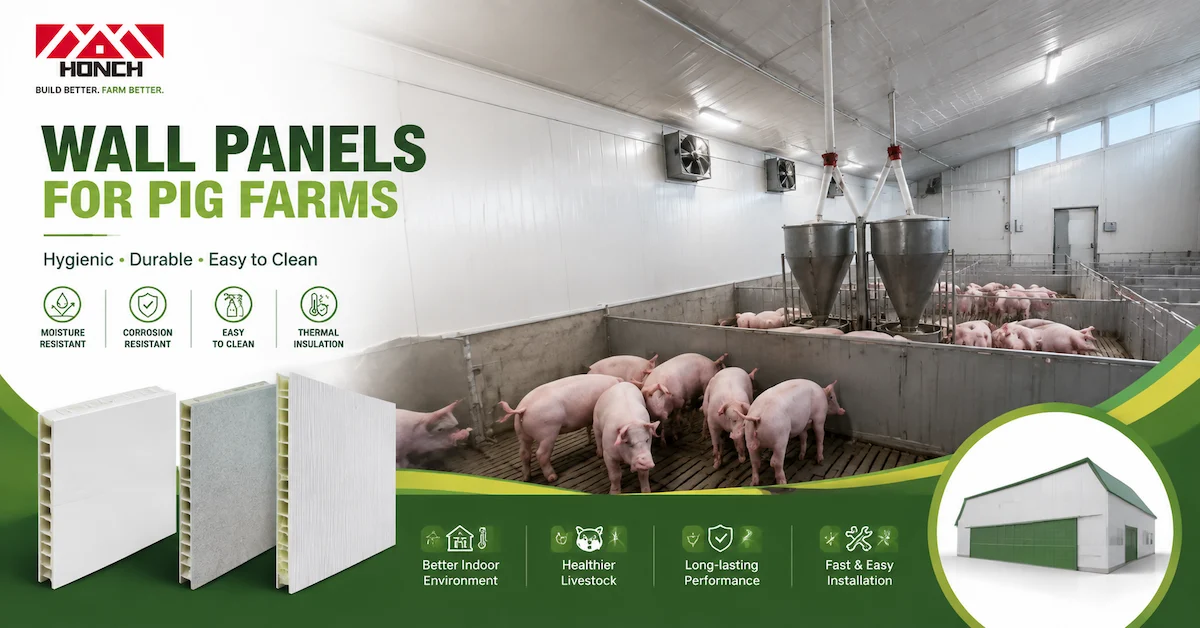
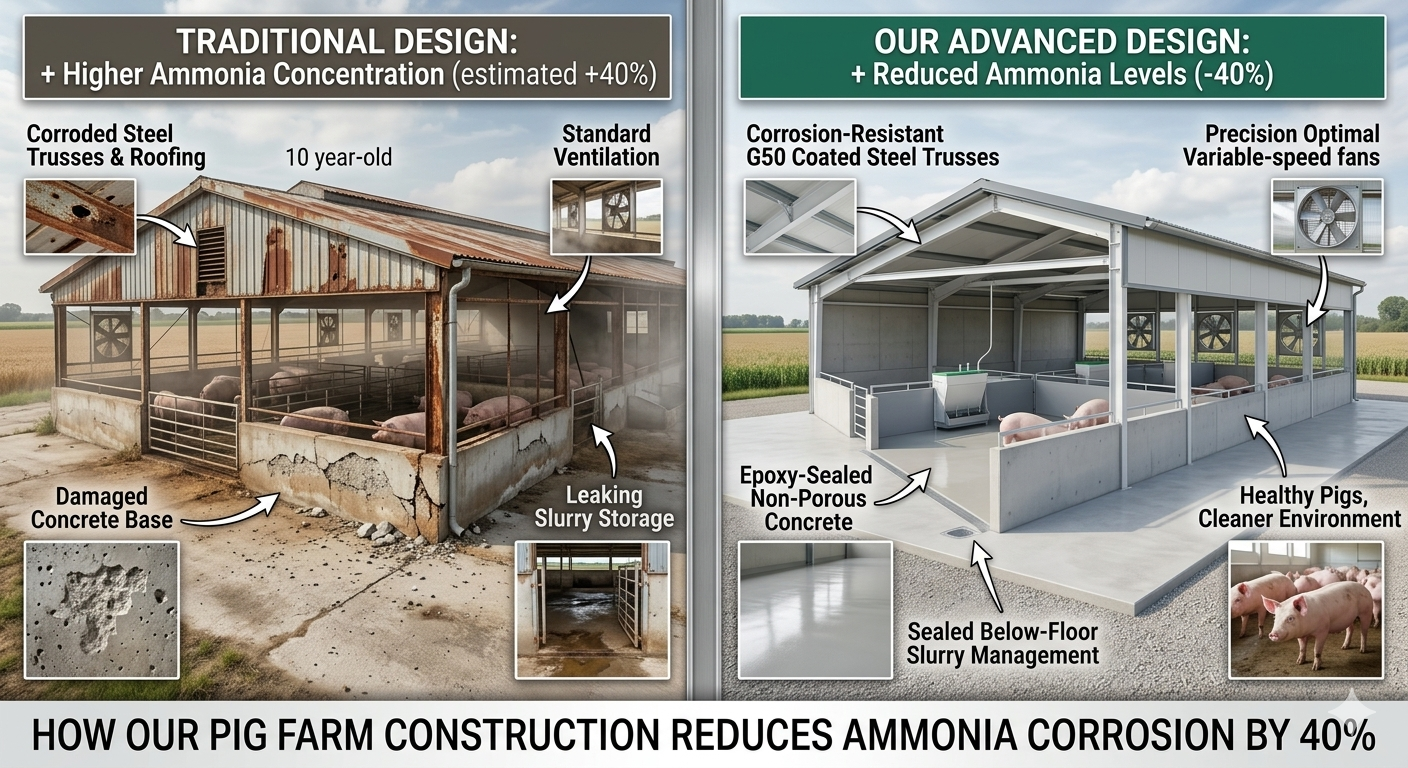
This is why an experienced Pig Farm construction Supplier designs livestock buildings differently from ordinary industrial structures. At HONCH, pig houses are approached as chemical exposure environments rather than simple agricultural buildings. By combining corrosion-resistant roofing panels, ventilation-aware structures, and moisture-controlled interiors, our team helps reduce ammonia-related material degradation by up to 40% in comparable farm environments.
And once farmers see the difference, they rarely go back to conventional construction methods.
Ammonia: The Invisible Enemy Inside Pig Houses
Ammonia forms naturally from livestock waste decomposition. In enclosed pig houses the concentration rises quickly, especially when humidity is high and ventilation is inconsistent.
The gas interacts aggressively with metal surfaces and weak coatings.
Over time it causes:
-
corrosion of roofing sheets
-
degradation of wall panels
-
rust formation around fasteners
-
structural weakening of building components
According to environmental studies referenced by the Food and Agriculture Organization (FAO), ammonia exposure inside livestock facilities is one of the primary factors influencing both building durability and animal welfare.
A reliable Pig Farm construction Supplier must therefore design structures capable of resisting this chemical exposure—not just weather conditions.
HONCH livestock building systems are engineered with this specific challenge in mind.
Materials That Survive the Pig Farm Environment
Material selection changes everything in pig farm construction. Standard galvanized materials may appear strong initially, yet they often degrade faster when exposed to ammonia and moisture.
In livestock buildings, the difference between material systems becomes significant over time.
| Building Material | Ammonia Resistance | Maintenance Frequency | Estimated Lifespan |
|---|---|---|---|
| Basic galvanized sheet | Moderate | High | 5–8 years |
| Painted metal panels | Moderate–High | Medium | 8–12 years |
| Polymer roofing panels | High | Low | 15–25 years |
HONCH projects frequently utilize corrosion-resistant polymer roofing panels combined with reinforced structural supports. In pig farm environments these materials maintain surface stability far longer than traditional sheet materials.
For farmers, this translates into something very practical: fewer repairs, fewer interruptions, and more predictable operating costs.
Ventilation Design Changes Everything
There’s a moment every farm manager recognizes. Ventilation fans switch on, the air begins moving, and the entire building environment changes.
Ventilation is more than air exchange—it is a protective mechanism for the structure itself.
Without proper airflow:
-
ammonia accumulates near the ceiling
-
condensation forms on roof panels
-
moisture accelerates corrosion
A skilled Pig Farm construction Supplier integrates ventilation strategy into the building structure itself.
HONCH pig house designs often incorporate:
-
airflow corridors aligned with ventilation systems
-
roofing structures that support thermal air movement
-
interior surfaces that resist moisture absorption
These structural adjustments help ventilation systems operate efficiently while reducing condensation accumulation across large roof surfaces.
The building, in effect, works with the ventilation system rather than fighting against it.
A Real Pig Farm Story: When Corrosion Became a Cost
One farm owner we worked with had already built two pig houses using conventional agricultural materials. At first everything seemed fine. But within a few years corrosion became a constant problem.
Roof panels required replacement. Fasteners weakened. Maintenance costs increased every season.
When constructing the third facility, the owner decided to approach the project differently and consulted HONCH as a Pig Farm construction Supplier.
The building design incorporated corrosion-resistant roofing panels, improved ventilation alignment, and washable wall surfaces.
Several years later, the difference became obvious. The new building maintained structural integrity while the older ones required repeated repairs.
The farmer described it simply:
"It feels like the building finally matches the environment inside it."
Structural Layout for Efficient Farm Operations
Livestock buildings must also support the daily rhythm of farm work. Feeding systems, ventilation equipment, and waste management infrastructure all influence building design.
A capable Pig Farm construction Supplier considers these operational realities.
HONCH livestock buildings are typically designed with:
-
roofing structures compatible with ventilation equipment
-
interior layouts that allow efficient cleaning
-
materials resistant to repeated washing and humidity
These structural decisions may appear subtle on construction drawings, yet they significantly affect long-term operational efficiency.
Construction Speed and Project Practicality
Pig farming is a business driven by production cycles. Delayed construction means delayed operations.
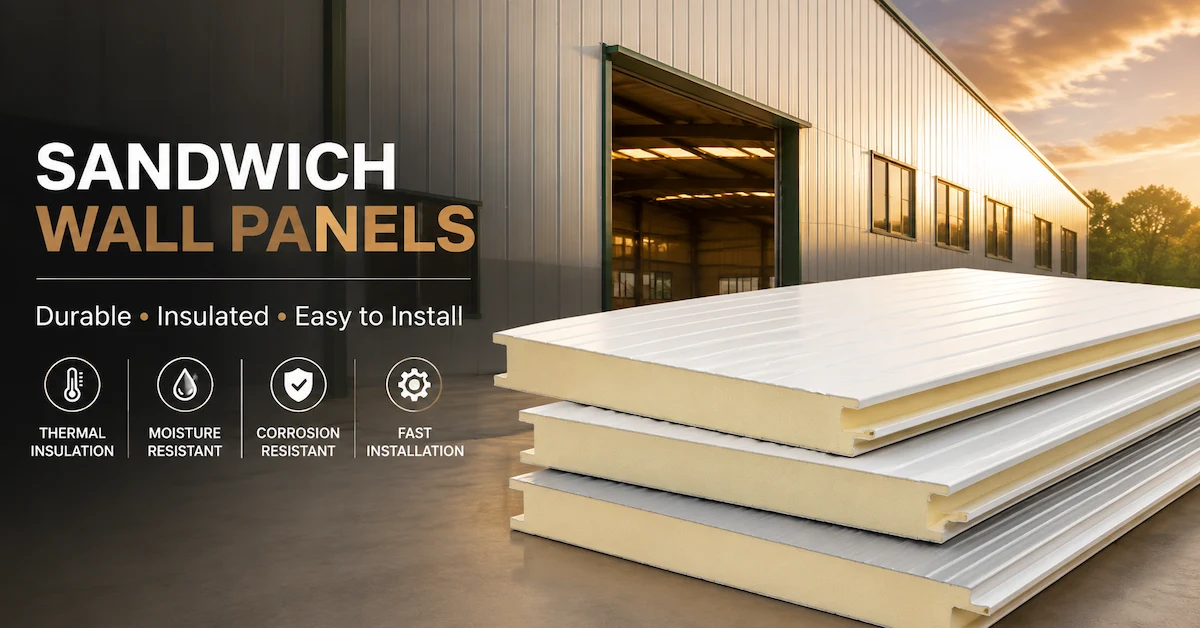
Panel-based building systems supplied by a Pig Farm construction Supplier allow livestock facilities to be assembled faster while maintaining structural consistency.
In several HONCH farm projects, prefabricated panel systems shortened construction timelines by around 30% compared with traditional masonry livestock structures.
Faster completion means farmers can start production sooner—and with buildings designed to last longer.
Common Buyer Questions
Q: Why do many pig farm buildings corrode faster than expected?
A: Ammonia exposure and humidity accelerate corrosion in conventional building materials.
Q: Can specialized roofing panels really reduce corrosion problems?
A: Yes. Corrosion-resistant roofing systems significantly slow structural degradation in livestock environments.
Q: When should farmers involve a Pig Farm construction Supplier in the project?
A: Ideally during early planning stages so materials, ventilation design, and structure can be optimized for the farm environment.
Building Pig Farms That Actually Last
Pig farming facilities operate under environmental conditions that most buildings never face. Humidity, ammonia exposure, and continuous livestock activity place extraordinary stress on materials.
Choosing the right Pig Farm construction Supplier means choosing a construction approach designed specifically for those conditions.
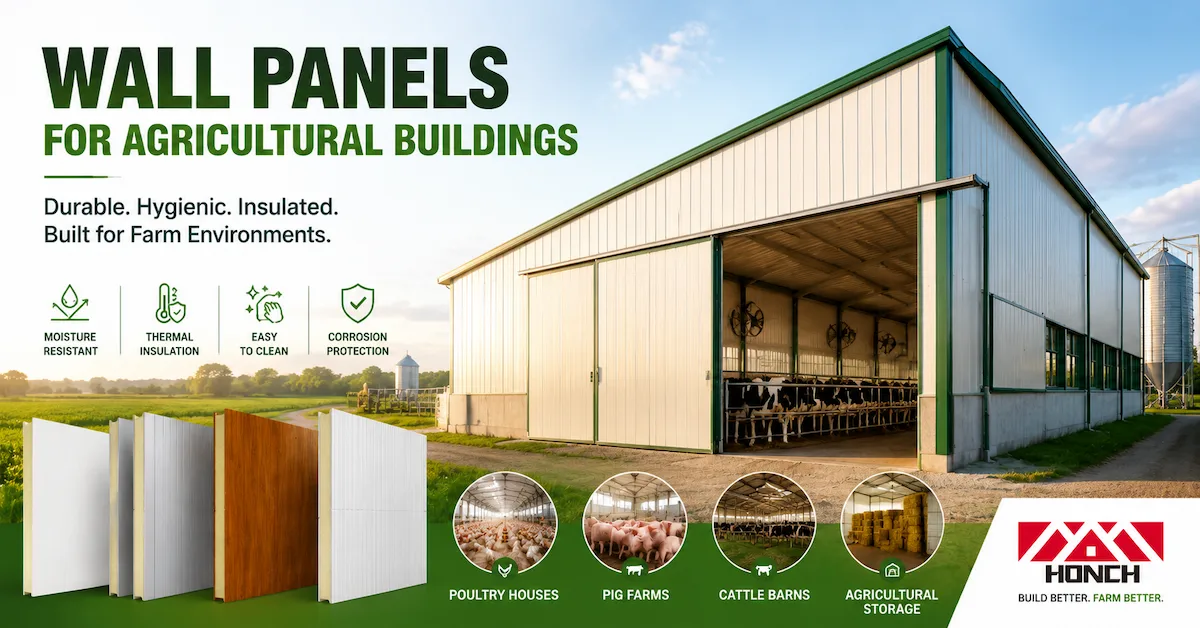
HONCH provides livestock construction solutions combining corrosion-resistant roofing systems, durable wall panels, and ventilation-friendly structures engineered for modern pig farming.
To learn more about pig farm building systems and project applications, visit the HONCH homepage:
https://www.honchroof.com/
If you are planning a new livestock facility or upgrading an existing farm building, the HONCH team can provide technical guidance through Contact Us:
https://www.honchroof.com/contact-us