How a Pig Farm construction Supplier Affects Farm Performance After Commissioning
Pig farms operate in one of the most aggressive building environments. High humidity, ammonia gas, frequent washdown, and continuous animal activity place constant stress on roofs, walls, and interior systems. In this context, selecting a Pig Farm construction Supplier is not about finishing a project on time—it is about whether the farm can operate efficiently for the next 15–20 years without structural degradation or hygiene failure.
Operating Environment: What Pig Farms Really Demand from Buildings
From an engineering standpoint, pig farm buildings face a combination of challenges rarely found in other agricultural facilities.
-
Ammonia exposure accelerating corrosion of metal components
-
High moisture levels from animals, cleaning, and ventilation imbalance
-
Frequent washdown cycles requiring non-absorbent surfaces
-
Strict hygiene control to reduce disease risk and downtime
A qualified Pig Farm construction Supplier designs material systems specifically for these realities rather than adapting generic agricultural buildings.
Materials That Matter: Why Some Pig Farm Structures Last Longer
Material selection determines whether a pig farm ages predictably or deteriorates rapidly.
Roofing systems
PVC and UPVC roofing systems are commonly used in pig farms because corrosion resistance is inherent to the material, not dependent on surface coatings. Compared with metal roofing, PVC systems typically show 40–55% lower corrosion-related maintenance over the building lifecycle in ammonia-rich environments.
Wall and partition systems
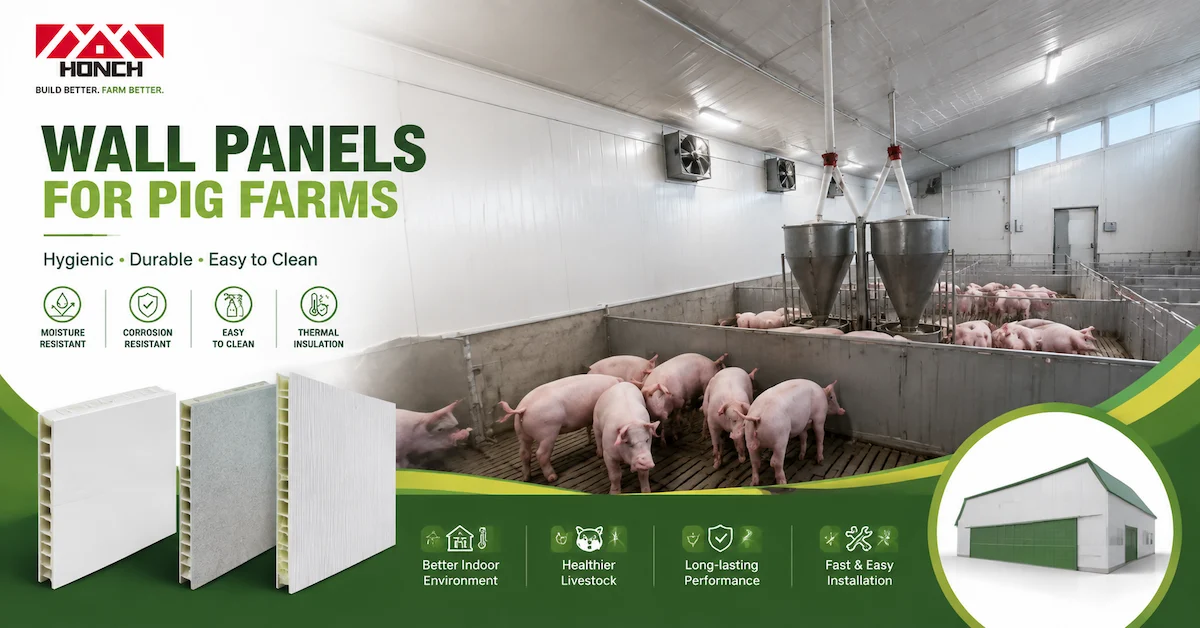
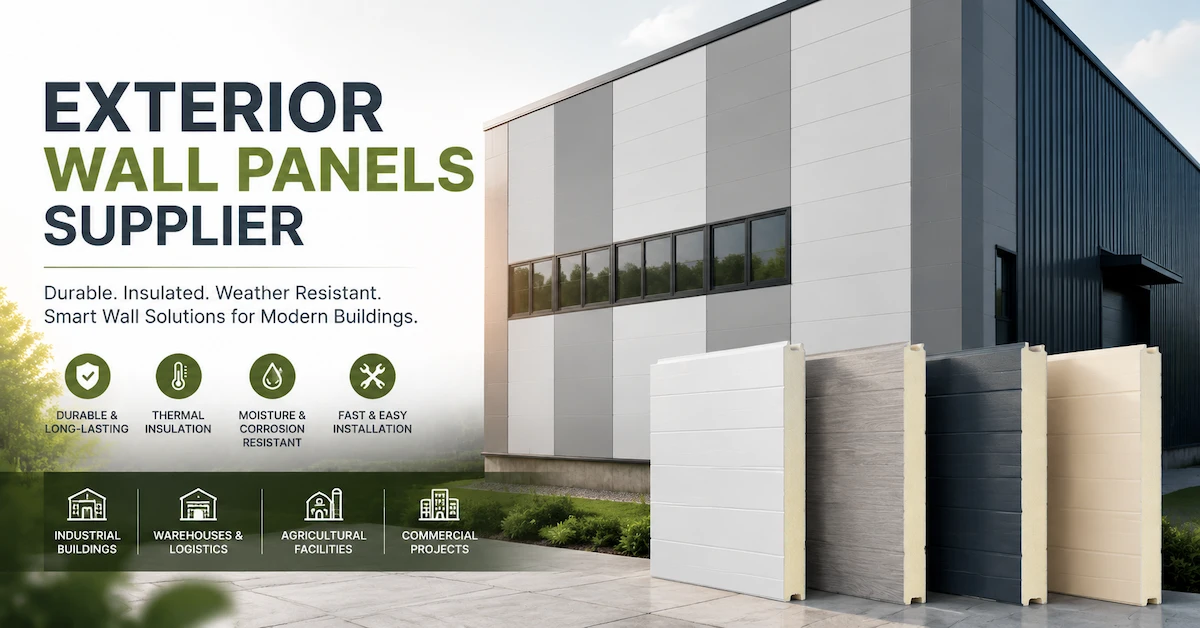
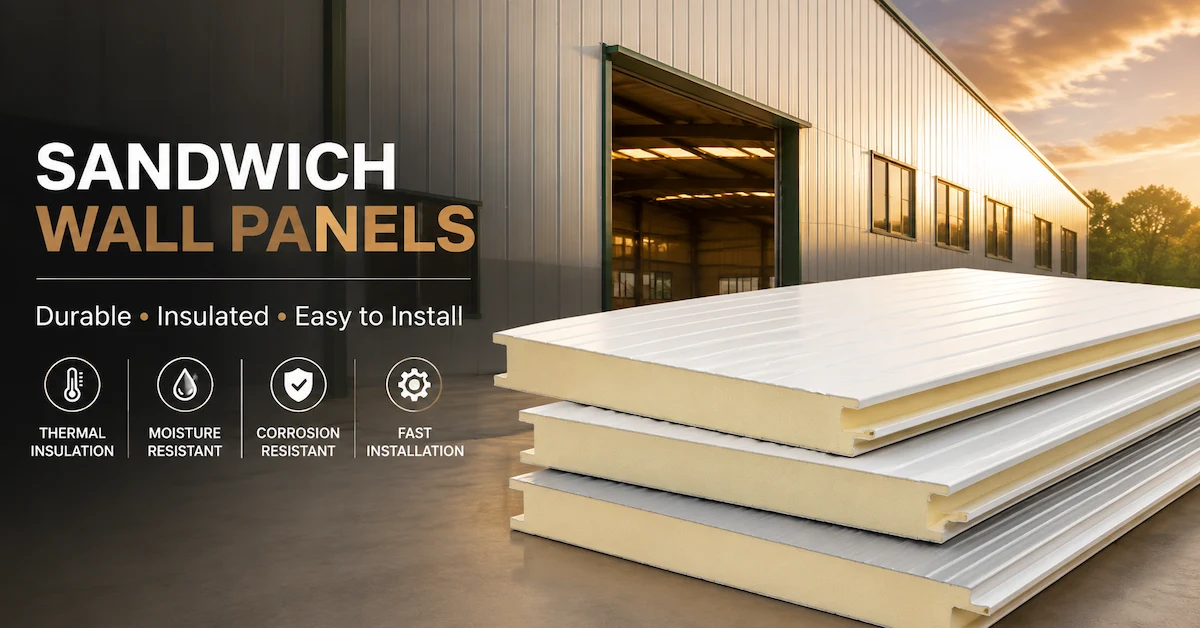
Polymer-based wall panels with smooth, non-porous surfaces allow effective cleaning and reduce bacterial buildup. In contrast, porous or coated surfaces often degrade after repeated washdown.
Ceiling systems
Industrial PVC ceiling panels resist moisture absorption and maintain joint stability under constant humidity, reducing sagging and contamination risk.
A Pig Farm construction Supplier that understands these material behaviors can configure systems that remain stable under daily farm operation.
System-Level Design vs Single-Material Supply
Pig farm performance depends on how materials work together.
A system-oriented Pig Farm construction Supplier provides:
-
Roofing, wall, and ceiling systems with matched thermal expansion behavior
-
Compatible accessories that prevent water and gas ingress
-
Layout guidance aligned with ventilation and waste management systems
This system approach reduces on-site improvisation, which is a common source of leakage and hygiene failure in livestock buildings.
Performance Differences Observed in Real Pig Farm Projects
| Performance Indicator | Conventional Farm Buildings | System-Based Pig Farm Construction |
|---|---|---|
| Corrosion-related repairs after 5 years | 35–45% of exposed areas | <10% localized maintenance |
| Cleaning efficiency after washdown | Moderate | High |
| Interior surface degradation | Visible coating failure | Minimal surface change |
| Annual maintenance cost ratio* | 100% baseline | ~45–60% |
| Expected service life | 8–12 years | 15–20+ years |
*Maintenance cost ratio based on comparative farm operation feedback where conventional buildings are treated as baseline.
These figures explain why modern farms prioritize system durability over initial construction savings.
From Design to Daily Operation: How Pig Farms Are Actually Built and Used
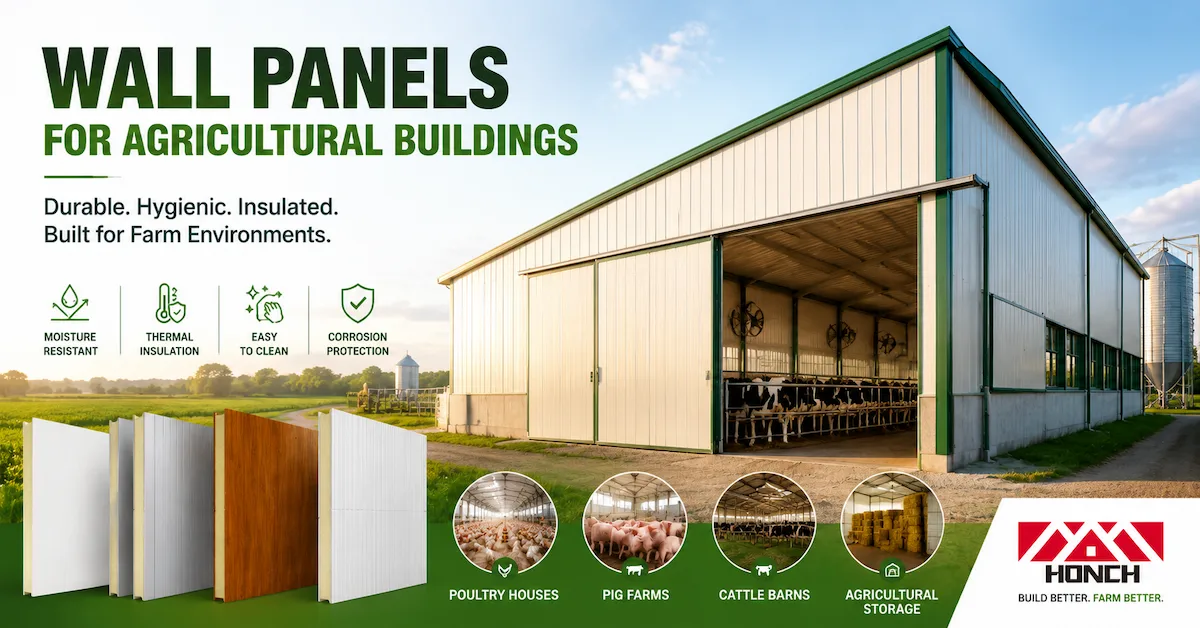
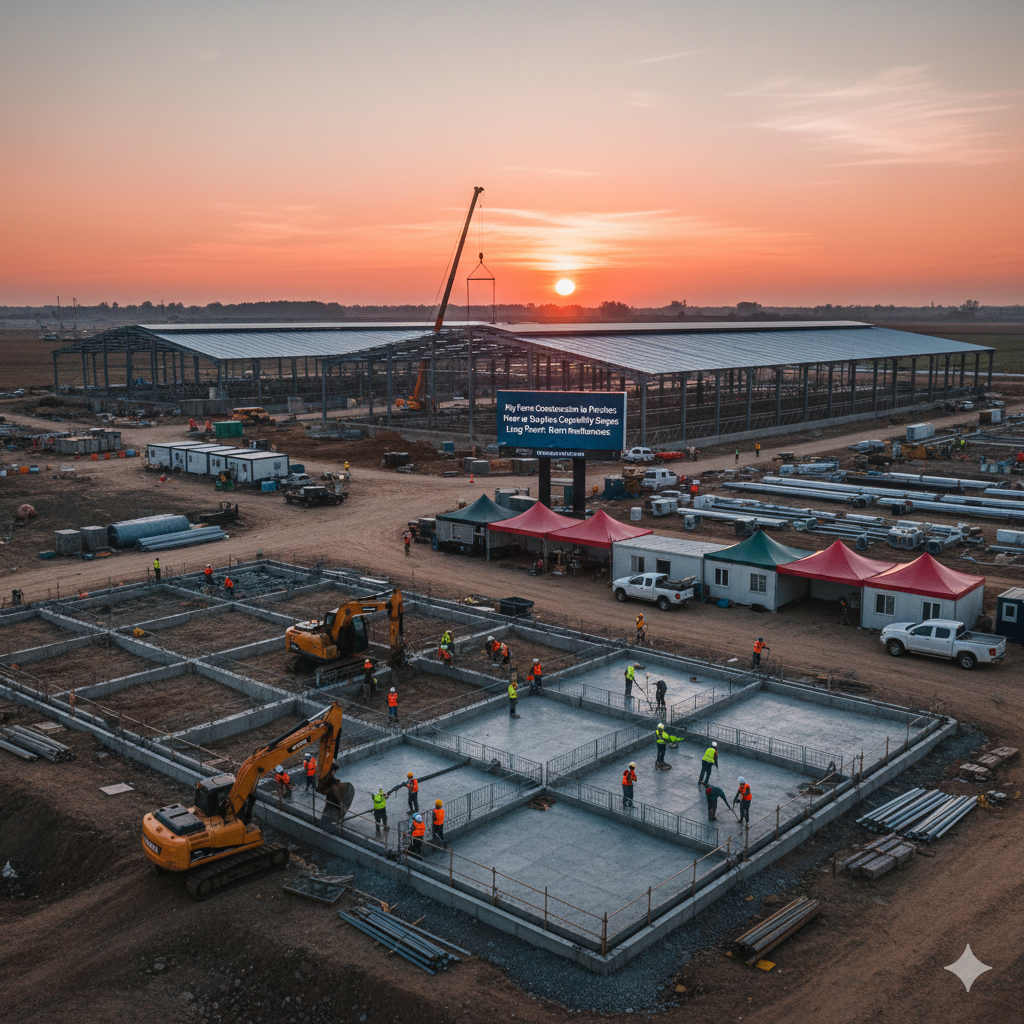
In modern pig farm projects supplied by HONCH, construction systems are typically applied as follows:
-
PVC roofing sheets installed with matched ridge caps to manage thermal movement
-
Polymer wall panels configured for fast washdown and disinfection
-
PVC ceiling systems integrated with ventilation layouts to reduce condensation
These configurations are refined through repeated farm projects rather than theoretical assumptions.
Procurement Reality: What Farm Owners and Contractors Evaluate
Beyond engineering performance, procurement conditions directly affect project feasibility.
Based on HONCH’s project-oriented supply model:
-
MOQ: Generally aligned with farm scale rather than fixed container quantities
-
Lead time: Standard profiles follow stable production schedules; customized profiles require early coordination
-
Customization: Panel thickness, profile design, and color adjusted based on climate zone and farm layout
A Pig Farm construction Supplier with controlled manufacturing can support these requirements without disrupting delivery timelines.
Common Buyer Questions
Q: When does a system-based pig farm building make more sense than conventional construction?
A: In farms with high humidity, ammonia exposure, and frequent cleaning. System-based solutions typically reduce building maintenance by 40–55% over the operating lifecycle.
Q: Are polymer-based materials safe and durable for long-term livestock use?
A: Yes. When properly formulated, polymer systems resist corrosion and do not absorb moisture, making them suitable for continuous livestock environments.
Q: When should material and system customization be discussed?
A: During the design or early procurement stage. Early alignment allows the Pig Farm construction Supplier to integrate production and logistics efficiently.
Final Guidance for Farm Investors and Operators
Choosing a Pig Farm construction Supplier is a long-term operational decision rather than a one-time construction task. In pig farming, hygiene control, corrosion resistance, and predictable maintenance costs determine whether facilities remain productive over time.
HONCH supports pig farm projects by supplying integrated roofing, wall, and ceiling systems designed for aggressive livestock environments. With controlled manufacturing, compatible components, and project-based customization, HONCH helps farms reduce maintenance exposure and improve long-term operational stability.
To review farm construction systems and application experience, visit the HONCH homepage:
https://www.honchroof.com/
If you are planning a pig farm project and need guidance on material selection, MOQ, lead time, or system configuration, the technical team is available via Contact Us:
https://www.honchroof.com/contact-us