How a Ceiling material manufacturer Determines Real Interior Performance
In factories, food-processing plants, warehouses, and livestock facilities, ceilings are exposed to condensation, cleaning chemicals, vibration, and temperature fluctuation. In these environments, selecting a Ceiling material manufacturer is not a design preference. It is a risk decision that affects hygiene control, maintenance frequency, and interior durability over the building’s service life.
Engineering Reality: Environment, Load, and Service Life
Industrial ceilings operate under conditions that residential interiors rarely face.
-
High humidity and condensation, especially in food and agricultural buildings
-
Chemical exposure from washdown, disinfectants, and airborne residues
-
Vibration and air movement from machinery and ventilation systems
-
Longevity expectations of 10–20+ years with minimal maintenance
A capable Ceiling material manufacturer designs ceiling systems specifically for these combined stresses, not just for appearance.
Industrial PVC Ceilings vs Common Ceiling Materials: Practical Differences by Use Case
Ceiling materials differ dramatically once installed and used over time.
Common ceiling materials (gypsum, mineral fiber)
Common ceiling boards perform adequately in offices but show limitations in industrial settings.
-
Moisture absorption leading to sagging and staining
-
Surface degradation under frequent cleaning
-
Shorter replacement cycles in humid environments
Industrial PVC ceiling systems
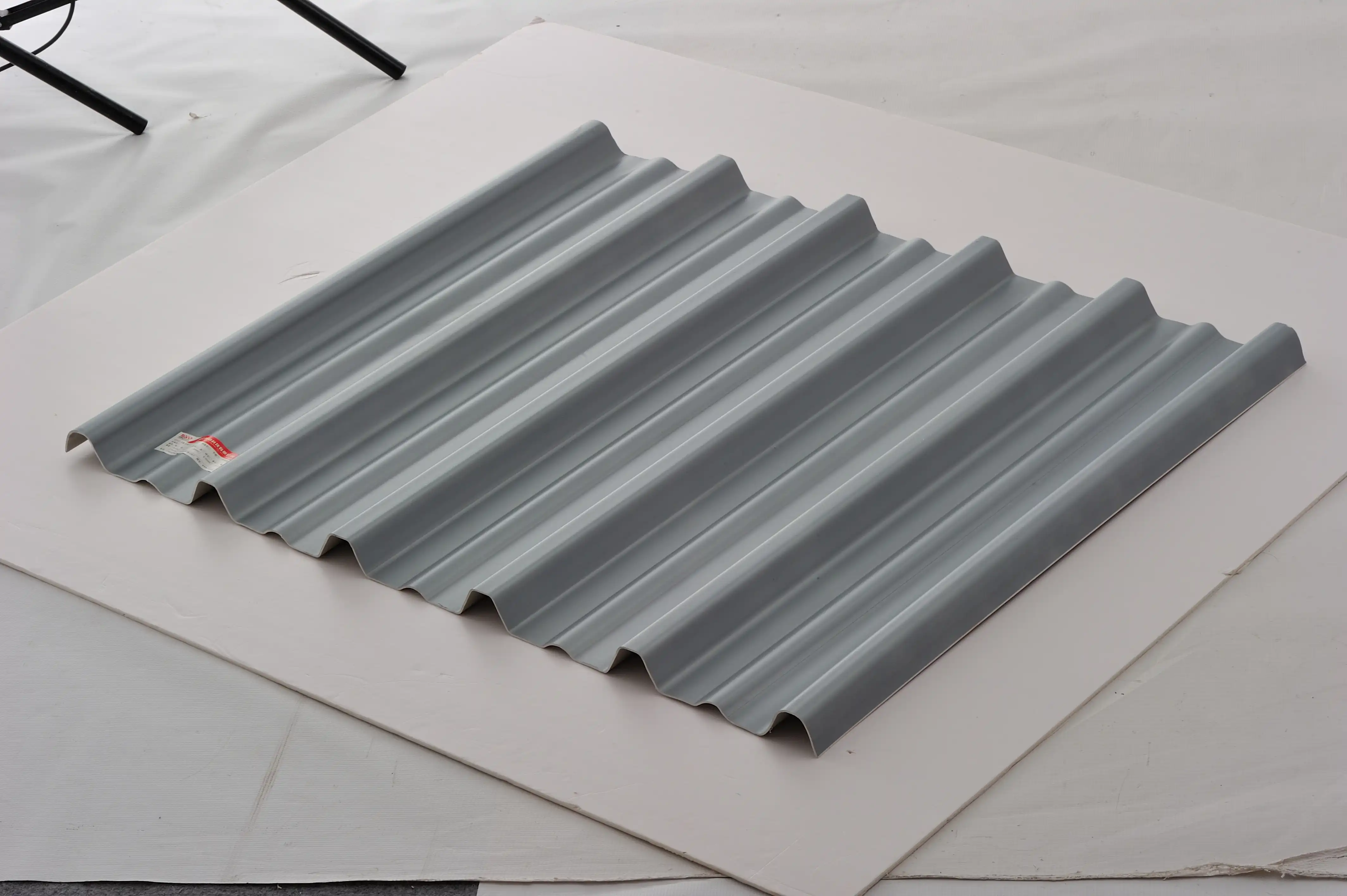
Industrial PVC ceilings are engineered for hygiene and stability. A qualified Ceiling material manufacturer controls formulation, extrusion, and joint design to deliver predictable performance.
-
Non-porous surfaces resist moisture and bacteria buildup
-
Chemical resistance supports frequent washdown
-
Controlled expansion reduces joint deformation
Performance differences by application scenario
| Application Scenario | Common Ceiling Materials | Industrial PVC Ceilings |
|---|---|---|
| Food processing (daily washdown) | 30–40% panel damage in 5 years | <10% visible wear in 5 years |
| Livestock housing (high humidity) | Frequent sagging | Stable surface performance |
| Industrial workshops (vibration) | Joint cracking common | Secure locking profiles |
| Expected service life | 6–10 years | 15–20+ years |
| Annual maintenance cost ratio* | 100% baseline | ~45–55% |
*Maintenance cost ratio based on comparative project feedback where common ceiling materials are treated as baseline.
These differences explain why industrial projects increasingly specify PVC ceiling systems over conventional boards.
Material Formulation and Manufacturing Process
Ceiling durability is determined long before installation.
Industrial PVC ceiling systems rely on:
-
Stable resin formulation with anti-aging additives
-
Uniform extrusion to maintain consistent thickness
-
Profile geometry designed to handle thermal movement
A Ceiling material manufacturer with in-house process control maintains consistent quality across batches, which is critical for large-area installations.
Structural Design and Installation Practicality
Ceiling panels must integrate smoothly with building systems.
Key design considerations include:
-
Interlocking profiles that prevent panel separation
-
Lightweight structure to reduce suspension load
-
Edge detailing compatible with lighting and ventilation
Manufacturers offering system-compatible accessories reduce on-site improvisation and installation error.
Procurement Reality: What Buyers Actually Evaluate
Technical suitability must align with procurement constraints.
Based on HONCH’s project supply practice:
-
MOQ: Typically flexible and aligned with project scale rather than fixed carton quantities
-
Lead time: Standard ceiling profiles follow stable production schedules; customized colors or profiles require early planning
-
Customization: Panel length, color, and surface finish can be adjusted based on hygiene and aesthetic requirements
A Ceiling material manufacturer that controls production internally supports customization without compromising delivery reliability.
Common Buyer Questions
Q: When should industrial PVC ceilings be chosen over conventional ceiling boards?
A: In environments with humidity, frequent cleaning, or hygiene control requirements. Industrial PVC systems typically reduce ceiling-related maintenance by 40–55% over the service life.
Q: Are PVC ceiling panels suitable for large industrial interiors?
A: Yes, when profile locking and suspension systems are engineered correctly. Lightweight structure and joint stability are critical factors.
Q: How early should customization be discussed?
A: During design or early procurement. Early alignment allows the Ceiling material manufacturer to integrate production and delivery schedules efficiently.
Final Perspective for Project Owners and Buyers
Choosing a Ceiling material manufacturer is a decision about hygiene control, durability, and long-term operating cost. In industrial and agricultural buildings, material formulation, structural design, and system compatibility matter more than initial material price.
HONCH supplies ceiling systems designed for demanding environments, combining controlled manufacturing, compatible accessories, and project-based customization support. This approach helps reduce maintenance exposure and ensure predictable interior performance.
To review ceiling and interior system solutions, visit the HONCH homepage:
https://www.honchroof.com/
If you are planning a ceiling system for an industrial or agricultural project and need guidance on material selection, MOQ, lead time, or customization feasibility, contact the technical team directly via Contact Us:
https://www.honchroof.com/contact-us