How an Anti-Corrosion Roofing panels Manufacturer Determines Roof Lifespan in Aggressive Environments
In environments with ammonia, salt spray, industrial exhaust, or high humidity, roofing failure is rarely sudden—it is progressive. Corrosion starts at joints, fixings, and coatings long before leaks appear. Under these conditions, selecting an Anti-Corrosion Roofing panels Manufacturer is a structural risk decision that determines whether a roof lasts 20 years or requires major repair within a decade.
Where Corrosion Pressure Is Highest on Real Projects
Anti-corrosion roofing is not limited to chemical plants. Many everyday industrial and agricultural buildings operate under constant corrosive stress.
-
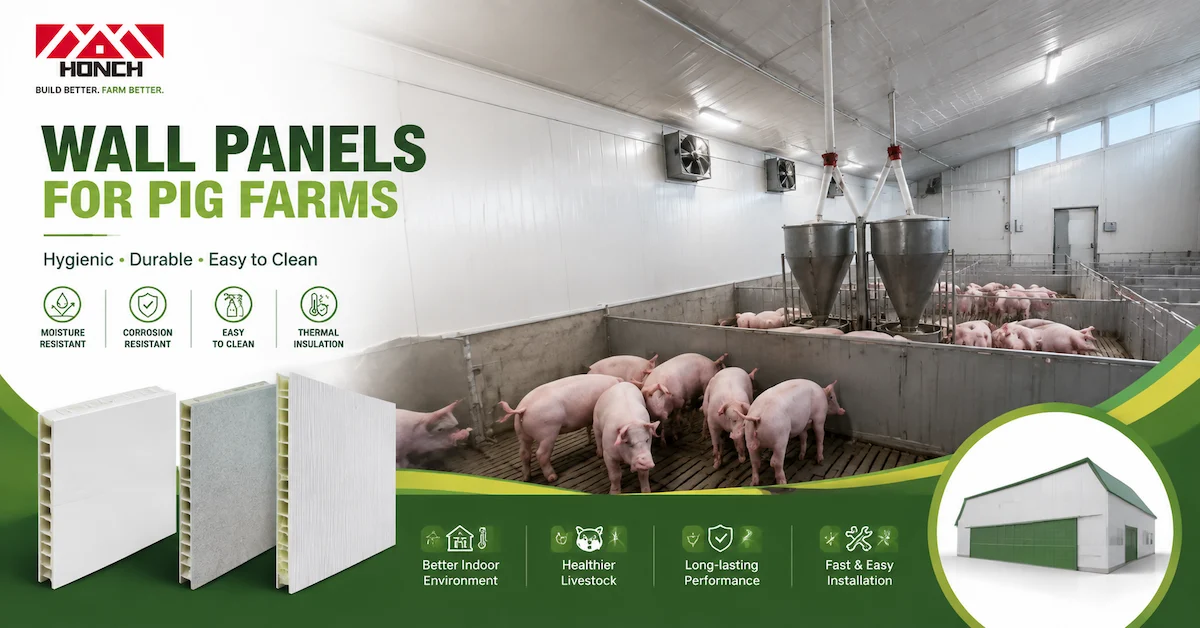
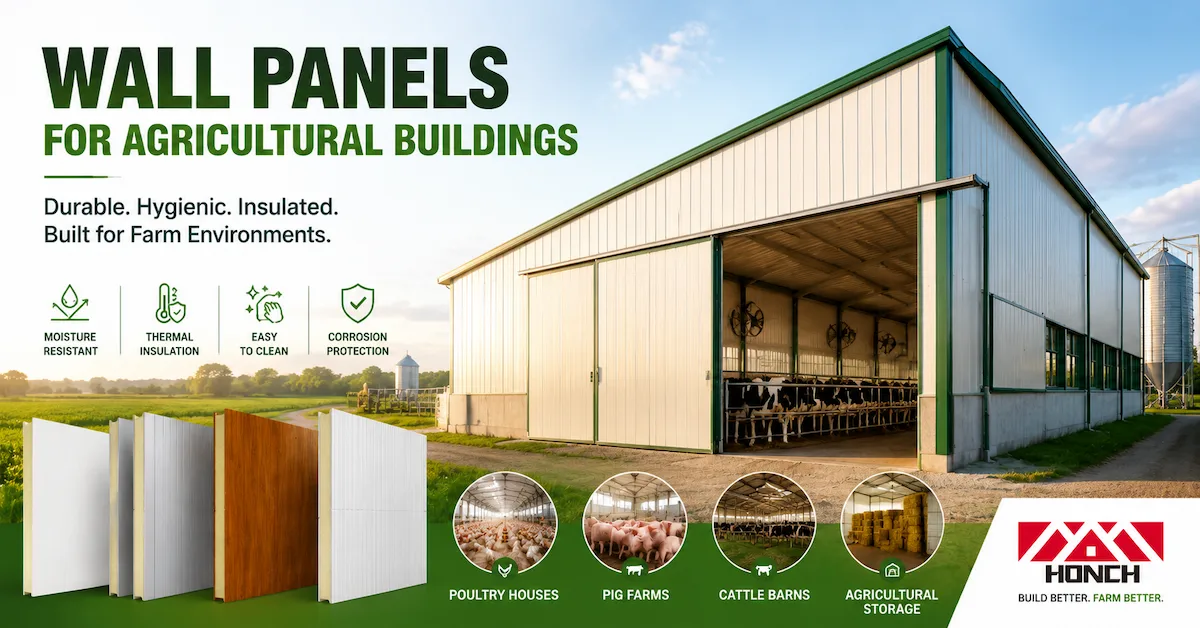
Livestock facilities with continuous ammonia exposure
-
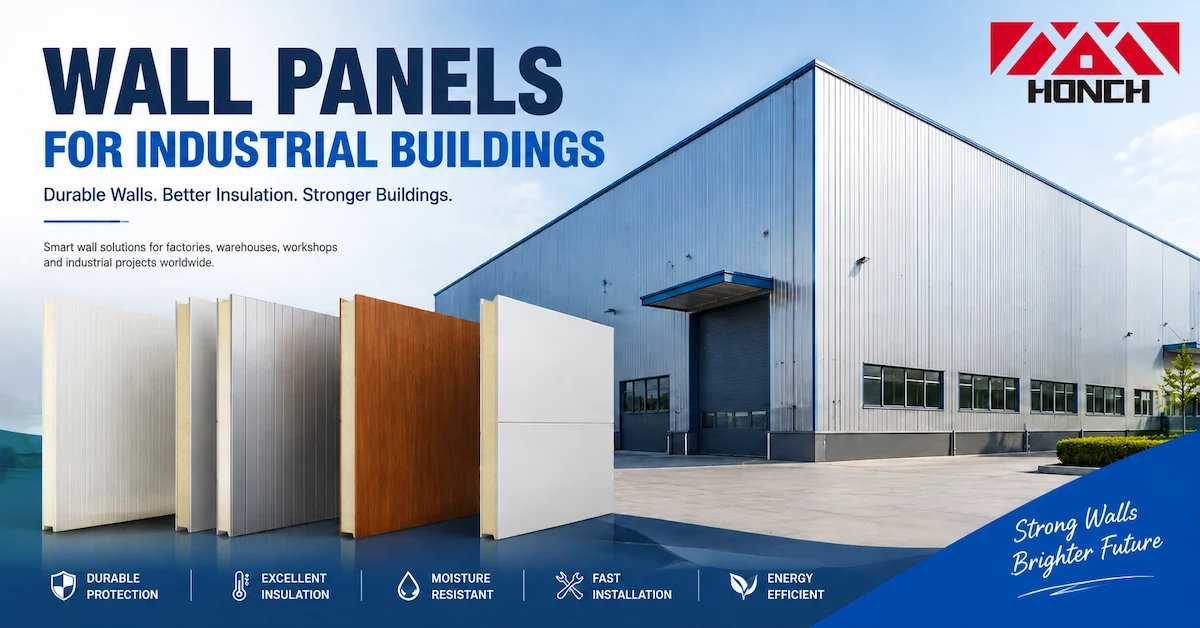
Coastal factories and warehouses affected by salt-laden air
-
Chemical processing and storage buildings
-
Food-processing plants with frequent washdown and disinfectants
A qualified Anti-Corrosion Roofing panels Manufacturer designs roofing systems specifically for these combined conditions rather than relying solely on surface coatings.
Anti-Corrosion Roofing Panels vs Conventional Roofing: Practical Differences
Corrosion resistance is not defined by appearance at installation, but by performance after years of exposure.
Conventional metal roofing panels
Standard metal roofing relies heavily on coatings for protection. Once coatings degrade, corrosion spreads quickly from cut edges, fasteners, and overlaps.
-
Coating failure accelerates corrosion
-
Frequent repainting or partial replacement required
-
Shorter predictable service life in aggressive environments
Anti-corrosion roofing panel systems
Anti-corrosion systems rely on material selection and structural design rather than surface treatment alone.
-
Inherent resistance to chemical and moisture attack
-
Stable performance without reliance on repainting
-
Reduced corrosion risk at joints and fasteners
An experienced Anti-Corrosion Roofing panels Manufacturer controls both material formulation and system design to limit corrosion pathways.
Material and Manufacturing Factors That Control Corrosion Resistance
Roof durability is determined during manufacturing, not after installation.
Key factors include:
-
Material choice: Polymer-based panels or specially protected substrates selected for specific chemical exposure
-
Thickness consistency: Uniform panels reduce stress cracking and coating damage
-
Profile geometry: Controlled water runoff reduces standing moisture at overlaps
Manufacturers with in-house extrusion or forming control can maintain consistent corrosion resistance across large roof areas.
Structural Design: Where Corrosion Usually Starts
In real projects, corrosion rarely begins on flat surfaces. It starts where systems are poorly designed.
-
Fastener penetration points
-
Overlap zones with trapped moisture
-
Ridge and flashing interfaces
A system-oriented Anti-Corrosion Roofing panels Manufacturer supplies matched accessories and fixing solutions that minimize moisture retention and chemical accumulation.
Performance Differences Observed in Corrosive Environments
| Performance Indicator | Conventional Roofing | Anti-Corrosion Roofing Systems |
|---|---|---|
| Corrosion damage after 5 years | 30–45% affected areas | <10% localized wear |
| Leakage incidents | Medium to high | Low |
| Recoating or repair frequency | Every 3–5 years | Minimal |
| Annual maintenance cost ratio* | 100% baseline | ~45–60% |
| Expected service life | 8–12 years | 18–25+ years |
*Maintenance cost ratio based on comparative industrial and agricultural project feedback where conventional roofing is treated as baseline.
These differences explain why lifecycle-focused buyers prioritize corrosion-resistant systems over initial material cost.
From Manufacturing to Installation: How Anti-Corrosion Roofs Are Applied
In projects supplied by HONCH, anti-corrosion roofing systems are typically configured with:
-
Corrosion-resistant panels paired with matched ridge caps
-
Fixing systems designed to isolate fasteners from corrosive exposure
-
Profile selection adapted to rainfall intensity and ventilation design
This system-level approach significantly reduces early corrosion risk.
Procurement Reality: What Buyers Must Clarify Early
Corrosion resistance must align with supply reliability.
Based on HONCH’s project supply practice:
-
MOQ: Usually aligned with project scale rather than fixed container quantities
-
Lead time: Standard anti-corrosion profiles follow stable production cycles; customized specifications require early planning
-
Customization: Panel material, thickness, and profile geometry adjusted based on environment severity
An Anti-Corrosion Roofing panels Manufacturer with controlled production can support these requirements without delivery uncertainty.
Common Buyer Questions
Q: When should anti-corrosion roofing be specified instead of standard roofing?
A: In environments with ammonia, salt air, or chemical exposure. Anti-corrosion systems typically reduce roof maintenance by 40–55% over the service life.
Q: Are anti-corrosion roofing panels suitable for large industrial roofs?
A: Yes, when profile design and fixing systems are engineered correctly. Structural design is as important as material choice.
Q: When should corrosion-related customization be discussed?
A: During design or early procurement. Early alignment allows the Anti-Corrosion Roofing panels Manufacturer to integrate material selection and production planning.
Final Guidance for Project Owners and Contractors
Choosing an Anti-Corrosion Roofing panels Manufacturer is a long-term asset protection decision. In corrosive environments, material formulation, system design, and real project experience determine whether roofs age predictably or fail prematurely.
HONCH supplies anti-corrosion roofing panels as integrated systems designed for livestock, industrial, and coastal environments. With controlled manufacturing, compatible accessories, and project-based customization, HONCH helps projects reduce corrosion risk and long-term maintenance cost.
To explore anti-corrosion roofing solutions and application experience, visit the HONCH homepage:
https://www.honchroof.com/
If you are planning a project in a corrosive environment and need guidance on material selection, MOQ, lead time, or system configuration, contact the technical team via Contact Us:
https://www.honchroof.com/contact-us